



VR for Machine Tool and Tool Exhibitions: How Not to Lose Customers
The classic scene at a machine tool and tool exhibition: a huge hall, dozens of booths, noise, the hum of equipment. A visitor walks down the aisle and glances over identical banners and stands — their attention fades within an hour. Even a promising product goes unnoticed if the booth doesn’t grab attention from the first seconds.
The usual ways to attract visitors — handing out souvenirs, promoters, videos on screens — have long stopped surprising anyone.
In such a competitive environment, visitors to machine tool and tool exhibitions walk past without remembering either the company name or its advantages. And that means the participation budget doesn’t deliver the expected flow of inquiries and responses.
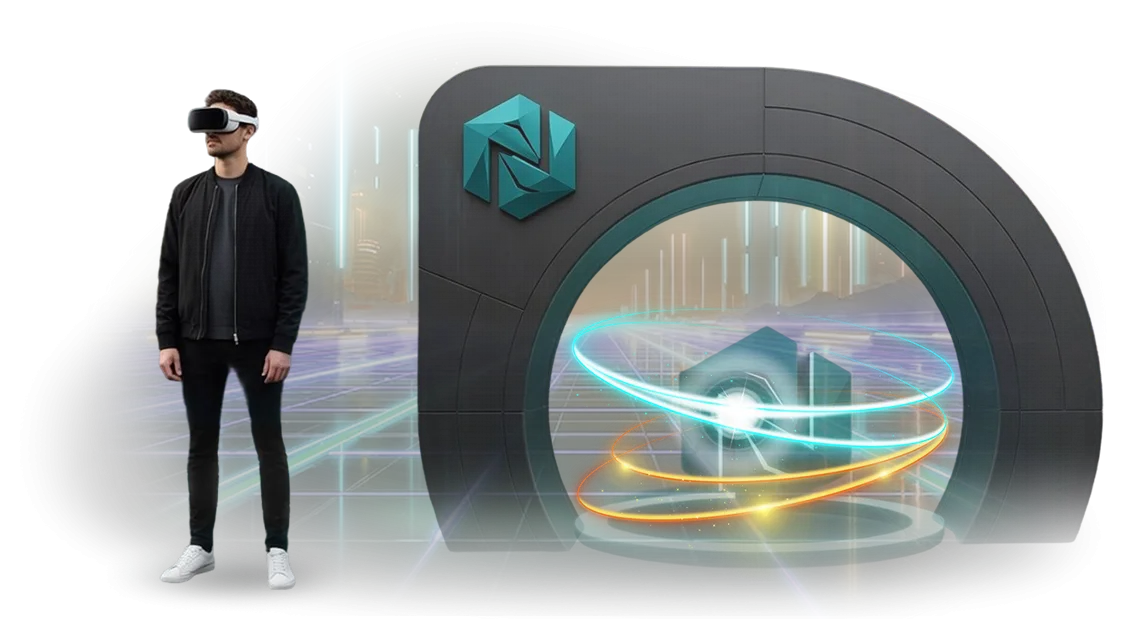
The solution is interactive technology at the exhibition, namely a VR stand for the exhibition.
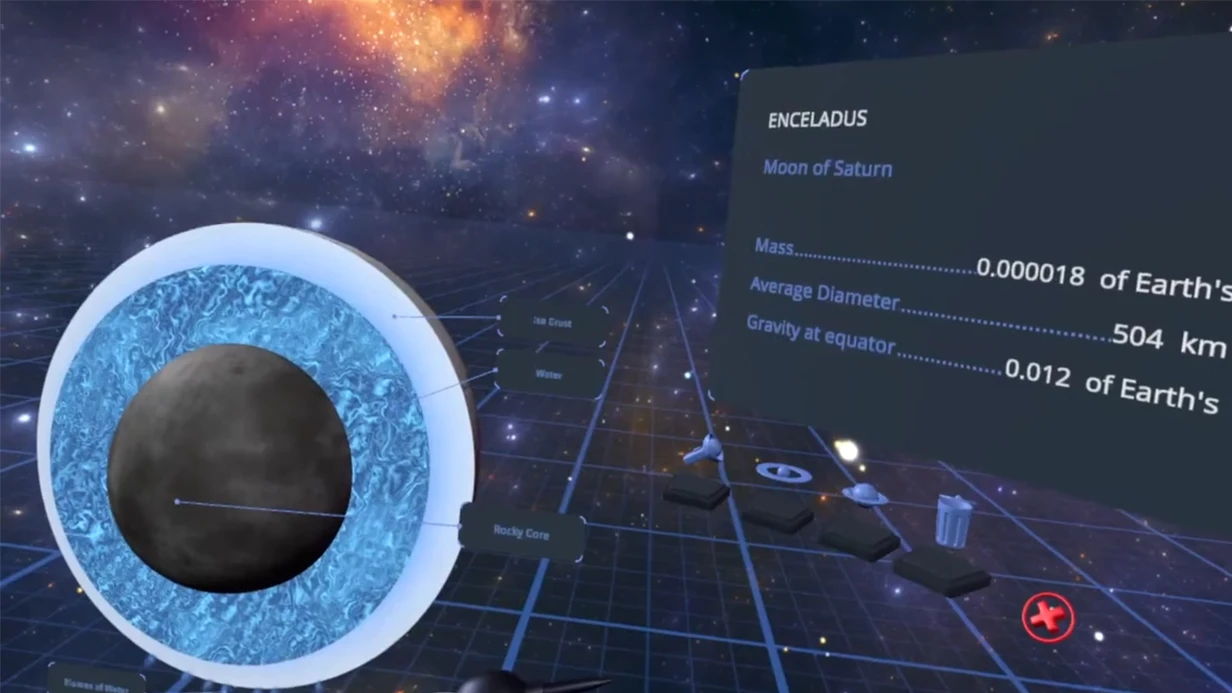
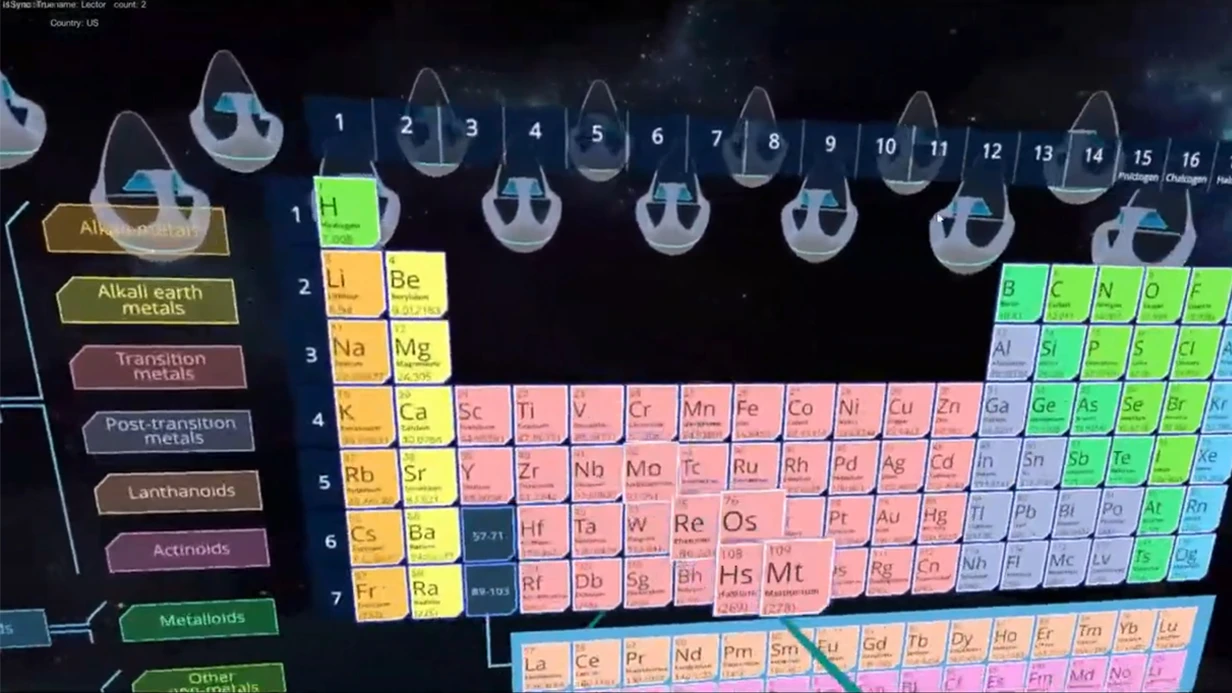
Virtual reality doesn’t just attract attention — it keeps a person engaged for 5–7 minutes: they put on a headset and are immersed in a three-dimensional workshop where they can examine the machine in detail, “turn it around,” see it in action, even in cross-section. This works better than any brochure because it turns a passive viewer into an active participant.
The business effect is obvious: the booth becomes a point of attraction, a line of people wanting to try VR ensures a constant flow of visitors, and the brand itself is remembered for a long time.
Moreover, in a virtual environment you can show the largest machine tools and entire production lines that cannot be brought to the venue. The visitor gets a clear demonstration, and you get qualified interest in your products.
This is exactly the kind of VR stand for exhibitions we design and deliver turnkey: we develop the scenario, 3D models of equipment, select professional equipment, and provide technical support during the event days.
You get not just a striking demo product but a working tool for attracting exhibition visitors and collecting quality contacts.
What a Brand Gains from a VR Installation
At a machine tool and tool exhibition, visitors pass dozens of similar booths — and within an hour they remember only a few.
A VR installation breaks this pattern: instead of static posters and promotional leaflets, a person steps inside the product and controls its operation themselves.
This impression is unforgettable, and the brand that provided it is the first one remembered when it comes time to choose equipment.
New impressions. The guest doesn’t just look at the machine but sees it in action — at scale, in motion, in a safe virtual space. This is a level of engagement that neither a promoter with brochures nor a video on a screen can achieve. The visitor’s delight and curiosity become associated with your company.
Viral reach. People want to share an unusual experience: guests and participants film VR zones, post footage on social networks, and discuss it in work chats.
Each such post continues to work for the brand for several weeks after the exhibition closes — and this attention is gained without extra advertising costs.
Increased recognition.
An interactive booth turns into a point of attraction: a line gathers around it, lively discussions arise, and people recommend “you definitely need to go there.” These are the places that stay in the memory of business partners and then come up in correspondence and personal negotiations.
Lead collection. After a VR session, the visitor leaves their contacts themselves — because they want to receive a presentation or a test sample.
As a result, instead of scattered business cards, you take home a warm base of potential clients who have already seen your product in action and are interested in a substantive conversation.
Advertising savings. The effect of a VR installation replaces part of the advertising budget: the brand is discussed without paying for each contact, and the live interest generated often costs less than classic promotion.
The booth delivers not just reach but measurable results — recall, mentions, contacts, and future orders.
VR Stand Formats for Exhibition Goals
At a machine tool and tool exhibition, it’s difficult to show the entire product line in action: large machines can’t be transported, and running each sample is expensive.
VR stand formats and AR enhancements make it possible to demonstrate equipment in operation without extra space or production downtime. Different types of interactive installations address different goals — from attracting attention to detailed equipment presentations.
| Format | For whom | What it gives the client |
|---|---|---|
| Stationary VR stand | Companies with large equipment | Full immersion in machine operation, showing all units and operating modes without real startup |
| Mobile VR stand | Exhibitors with limited space | Fast coverage of visitor flow, the ability to move around the hall and work in aisles |
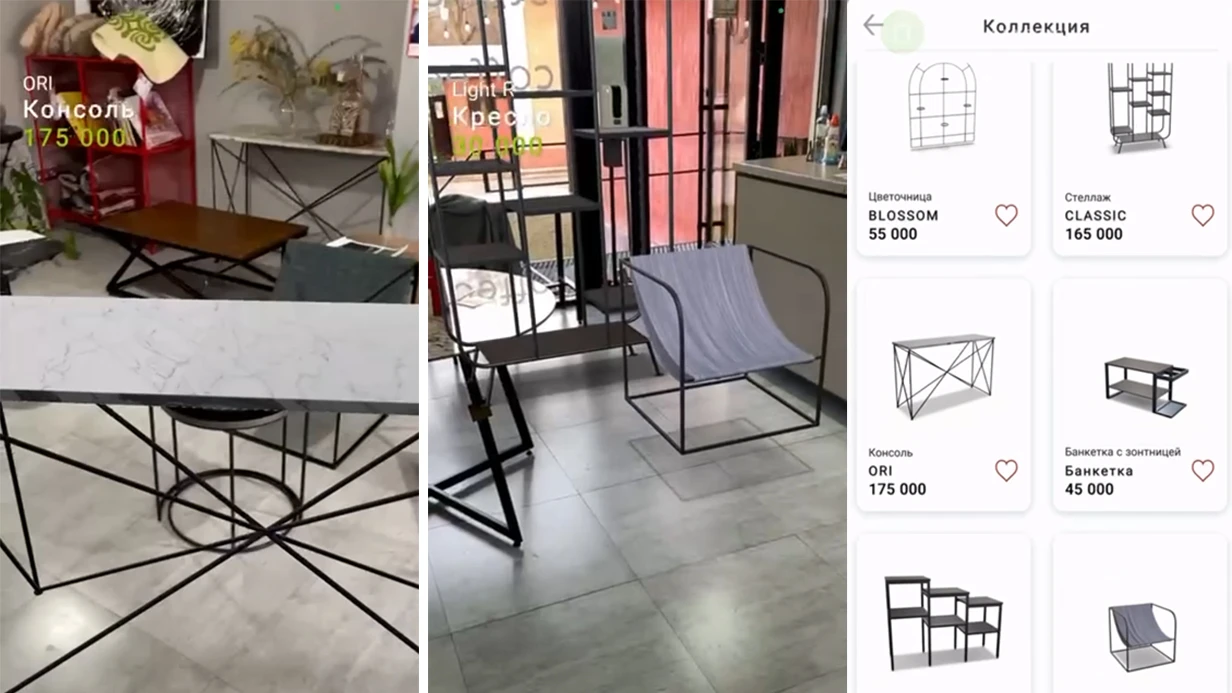
| AR enhancement | Brands that need to show details | Overlay of digital specifications, diagrams, and 3D models directly onto a real stand or catalog |
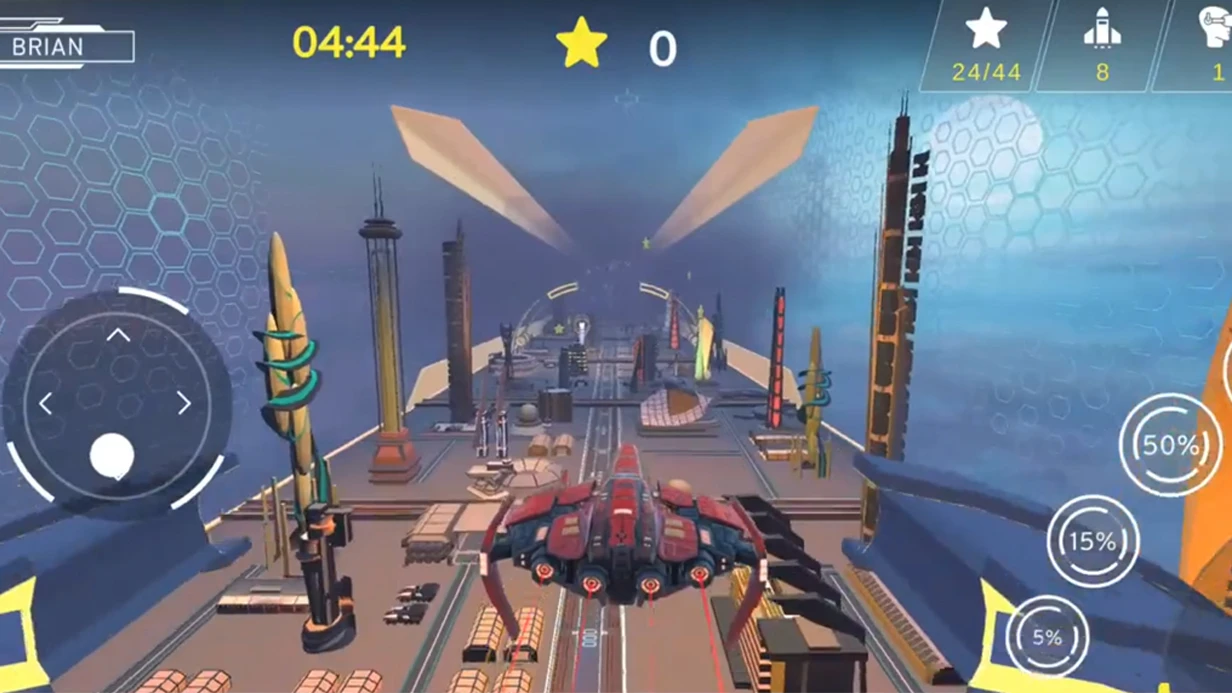
| VR quest | Companies that want to hold attention | A game scenario with problem-solving — visitors remember the brand and return to the booth again |
| Hybrid format | Exhibitions with multiple zones | A combination of VR, AR, and live demonstrations — each zone works at its own stage of the funnel: from interest to inquiry |
VR for events and AR for exhibitions are now available to any exhibitor — from a compact zone to a large pavilion.
VR stand formats are easily adapted to goals: one is used for collecting contacts, another for training on how to use a tool, and a third for a spectacular booth opening.
We help you choose the right option and configure the installation so it works toward your result: more visitors, longer contacts, higher recognition.
How We Create a VR Stand: From Brief to Launch
A clear process means a predictable result at the exhibition. When you order a VR stand, it’s important to understand what happens at each stage: what the timelines are, at what points you can make changes, and how we ensure launch exactly by the start of the event.
We have structured the work so that you control the project’s progress and receive a finished installation without surprises.
- Brief and goals. We identify the objectives of the VR stand: attract visitor flow, show machines in action, collect contacts, or stand out among competitors. We record the key message that the guest should take away after the session.
- Audience and scenario analysis. We understand who will come to the exhibition: technical directors, purchasers, machine operators. We adjust the level of detail and interaction logic to the scenario — from a quick demo to an in-depth study of specifications.
- Concept and VR scenario. We think through the virtual space: how the guest examines the machine, what functions are available, where the logo and contacts appear. We prepare the concept as a presentation so you can see the future experience before development starts.
- Layout and content approval. We show the structure of the VR scenario, texts, and transition logic. You make changes — this is cheaper and faster than redoing work after the 3D model is finished.
- Content production. We create 3D models of your machines, animations of component operation, interfaces, and prompts. At this stage, we send intermediate versions — you see how the project is progressing and adjust details.
- Assembly and setup. We set up the VR system at the booth, connect professional equipment, and check stability under exhibition conditions: spare cables, volume, protection against failures.
- Testing and launch. We do a full run-through of the scenario, eliminate shortcomings, and train your team on operation. During exhibition days, we stay in touch to resolve any issues on the spot.
The timeline for such a booth usually takes from 2 to 4 weeks — depending on the complexity of the scenario and the number of models. To get an accurate plan of stages and a price for your task, leave a request — we’ll send a quote and show examples of our work for exhibitions.
What You Get in a VR Stand Package
When you order a VR stand for a machine tool exhibition, it’s important to know in advance what’s included in the package. Usually you have to look for different contractors: equipment from one, content from another, installation from a third.
We supply a ready-to-work booth — with virtual reality, a scenario, instruction, and support until the end of the exhibition. Below is what the client receives in the basic configuration.
The standard installation includes:
- Professional VR equipment — configured headsets and sensors, calibrated to the area of your booth. The equipment turns on and works immediately after installation, without lengthy setup on site.
- Exclusive content — an interactive program created for your machines and tools. Visitors see the product in volume, can “turn” parts, change operating modes — this experience is memorable and increases interest in the company.
- Scenario plan — a well-thought-out flow scheme: how many guests to receive at once, how long one experience lasts, how to manage the queue. This eliminates chaos at the booth and ensures every visitor gets attention.
- Installation and dismantling — we bring the equipment, set up the zone, connect and check all systems before opening. After the exhibition, we take it down and remove it — you don’t need to look for contractors or handle logistics.
- Staff training — a short training session for your employees: how to hand out a headset, help a guest enter the program, and handle an unusual situation. Your staff will work confidently from the first day of the exhibition.
- Technical support for the entire event period — our specialist is on call and ready to come to the site. If something happens to the equipment, they fix it promptly so the booth doesn’t sit idle.
In the end, you get not a set of devices but a fully functioning installation. All integration, training, and support are included in one order — all you have to do is open the booth and start welcoming visitors.
This approach eliminates the surprises that usually accompany technically complex projects at exhibitions.
Case Study: How a VR Stand Increased Leads at an Industry Forum
At an industry machine tool and tool exhibition, the client — the PromTech plant — found that simply showing equipment wasn’t enough. Engineers were tired of explaining the same things, and visitors didn’t remember the brand after dozens of similar booths.
We suggested creating a VR stand: in a couple of minutes, guests could “operate” a machine in a virtual environment, see its internal structure, and understand how it would fit into their production.
What the VR stand delivered at the exhibition
Over three working days, the booth attracted the attention of more than 1,200 visitors — one of the highest attendance figures among all participants.
Every contact was recorded, and after the exhibition the sales department received a ready-made base of interested engineers and purchasers. No extra staff was needed: one administrator helped put on the headset and launched the demo.
This example of a VR installation showed that the technology works not as entertainment but as a sales tool. Visitors approached the booth on their own, shared their impressions in posts and stories, and returned with colleagues. Brand mentions increased reach by several thousand more people — without advertising investment.
Feedback on the VR stand
The plant’s marketing director noted: “We expected interest, but not such a flow. The VR stand became the main point of attraction at the venue. In three days we collected 1,200 leads, and within a month some of them had already placed their first orders.”
This very VR stand case confirms: even at a technical exhibition you can stand out without complex presentations. VR results for exhibitions are measurable and directly affect revenue.
We continue to support the client — preparing VR content for upcoming industry events and staff training.
Answering Questions About VR Stands
Here are the questions most often asked before ordering a VR stand for a machine tool and tool exhibition. We answer briefly and to the point — so you understand how we manage risks and what you can expect.
What if the equipment breaks down right during the exhibition?
We bring a backup set of equipment and an engineer who stays nearby for the entire time the booth is operating. In any emergency situation, we make a replacement within minutes — visitors won’t notice any downtime. This condition is stated in the contract.
How quickly does a VR stand pay for itself?
A VR stand increases booth traffic by 2–3 times, and each visitor spends 3–5 minutes in virtual reality — enough time for your managers to show the product and collect a contact. Many clients pay off the installation at their very first exhibition through signed contracts.
Can I rent a VR stand for a specific event?
Yes, we work in a turnkey rental format: you get the scenario, content, equipment, installation, and an engineer on site. You don’t need to buy anything extra or hire anyone separately — you simply use a ready-made solution.
Who services the VR installation and is responsible for its operation?
All care for the equipment and content is on us. Before the event, we do a full check; an engineer accompanies the booth throughout the exhibition; and after the event we pick up the equipment and provide a report on attendance and guest activity. You focus on the booth and sales, not technical issues.
We formalize responsibility in the contract: response time for equipment replacement is no more than 15 minutes, and the costs of restoring the installation’s operation are on us. Experience from dozens of exhibitions confirms that with this level of preparation, force majeure is eliminated.Order a VR Stand for Your Exhibition
You’ve already seen how a VR stand works at competitors: a line of visitors, live demonstrations, people talking around the screen.
Having the same zone at your machine tool and tool exhibition is not entertainment but a working sales tool: the buyer sees equipment in action without waiting for a live demonstration.
Leave a request — and we’ll prepare a preliminary cost estimate and VR stand scenario for your goals. You’ll receive a ready solution before signing the contract, without risk or unnecessary approvals.
What you get when you contact us:
- Preliminary estimate: cost calculated after audit and timelines for your budget and booth area within one working day.
- Scenario for your exhibition goals: machine demonstrations, employee training, or an interactive product catalog presentation.
- Examples of our work: we’ll show VR projects for industrial and B2B exhibitions so you can see the quality of execution.
- Equipment guarantee: on-site technical support during exhibition days and fast replacement in case of an emergency.
- Manager support: help with logistics, installation, and integration into your exhibition plan.
Tell us about your booth through the form — we’ll send a quote and a selection of ideas. There’s no obligation: we’ll discuss the format, and you decide whether it suits you.
A convenient booth holds visitors 3–5 times longer than a standard demonstration. In the same working hours, you show more models and collect more contacts — meaning you cover the cost of participating in the exhibition before it even ends.
Fill out the request — we’ll take care of the rest.
How to Choose a VR Stand Format for Your Budget and Goals?
Choosing a VR stand starts not with equipment specifications but with answering the question: what exactly does the installation need to solve at your exhibition?
If the goal is to attract attention to the booth and collect contacts, a compact VR display with a single scenario is enough.
If you need to demonstrate how a machine works in real time, show its internal structure, or train visitors to use a tool, a deeper scenario development will be required and, accordingly, a different budget level.
The second important criterion is the number of visitors who will pass through the point. A single VR stand allows a limited number of people per hour, and at peak times you risk queues. A multiplayer format or an AR zone with multiple screens can engage several groups at once.
If your goal is maximum reach in a short time, it makes sense to plan a booth with multiple entry points and short 3–5 minute sessions.
Budget affects not only the scale but also the ability to reuse the solution. A simple installation for a single event will be cheaper, but a reusable scenario that can be adapted for different exhibitions and updated with new content pays off after the second or third launch.
That’s why we recommend viewing a VR stand not as a one-time expense but as a tool that works for the brand over several seasons.
The third criterion is space and logistics. A VR stand requires a darkened area without direct light and enough distance for safe movement.
AR installations are less demanding: they work in regular lighting and can be placed right in the aisle or near a display case with equipment. If you’re limited on space, AR is often the more flexible solution while still delivering the “wow” effect and interactivity.
We help you choose a format for your goals, not the other way around. At the start, we record your goals, visitor numbers, available space, and budget, then propose 2–3 implementation options with forecasts for reach and timelines.
That way, you get a VR stand that solves exactly your task — without overpaying for unnecessary functionality and without surprises during installation.