

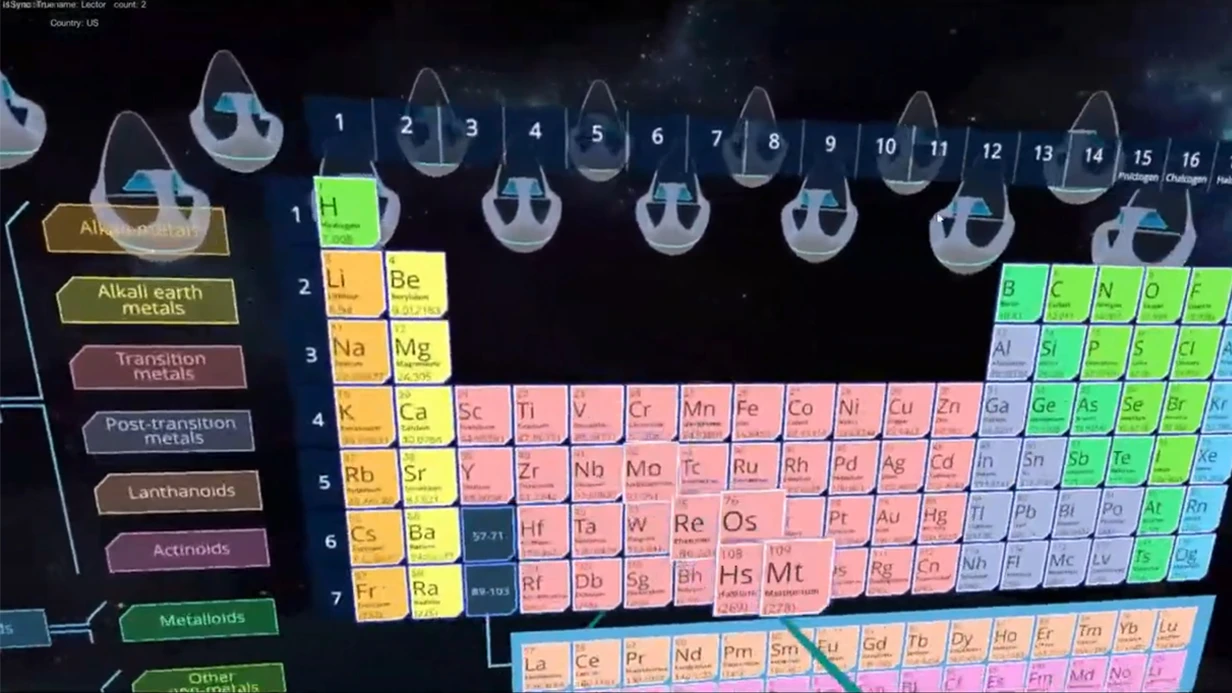


Why Virtual Exhibitions Are Feared: Guests Leave, the Exposition Remains Silent
Virtual exhibitions are often perceived as a risky endeavor: you allocate a budget, put together an exposition — and visitors arrive only to leave within a minute.
The exposition remains silent: booths don't speak, the product doesn't explain itself, and the guest doesn't understand where to look or why to stay. As a result, a virtual exhibition turns into an empty page with expensive graphics instead of delivering reach and leads.
The root of the problem is not the technology but the way the exposition is organized. When there is no movement scenario, no interactive touchpoints, and no live contact with a representative, guest engagement drops to zero.
Even a good product gets lost in a virtual space without guidance, and the exhibition's conversion rate ends up lower than that of a simple catalog. Visitors leave with the feeling of "I didn't understand anything," and the brand gets disappointment instead of loyalty.
The event's main asset — data on guest behavior — is also lost. Without a well-thought-out structure, you won't know who reached a booth, what captured attention, and which booth generated interest. The virtual exhibition becomes a "black box" that can't account for its budget.
For decades, we've been building virtual events where guests don't leave.
We design a guided experience, establish live communication points with your team, and make the exposition interactive — so the virtual exhibition itself leads visitors to the right booth and toward a purchase decision.
Guest engagement becomes measurable, exhibition conversion becomes predictable, and the money invested in the exposition comes back as qualified leads.
What a Virtual Exhibition Delivers: Reach, Leads, Brand Recall
A virtual exhibition is immersive marketing that works for your business long after a single day. Unlike a traditional event, it's available 24/7 from anywhere in the world and keeps generating reach and qualified requests long after launch.
Our team knows how to turn a digital space into an operating sales channel — not just a beautiful storefront.
Audience Reach
An offline exhibition is limited by venue, schedule, and geography. A virtual one removes these boundaries: visitors drop in at their convenience from any device — no flights, queues, or approvals. This multiplies your audience and attracts people who would never have made it to a physical booth.
An immersive environment holds attention better than a regular website: guests explore the space, interact with products, and watch presentations. Each of these touchpoints strengthens brand recognition and creates a positive experience with your company.
Leads from the Exhibition
The virtual venue records every guest's behavior: which booths they visited, what they watched the longest, and whether they left contact details. This data becomes warm leads — you see not just a list of names but real interest in a specific product.
All information is collected automatically and sent to your customer management system. The sales team receives a ready-made database with context — and immediately reaches out to an interested visitor with a precise offer instead of a cold call.
Brand Recognition
A virtual exhibition is not a catalog; it's a space with your company's atmosphere. The same mechanics as in the best showrooms come into play: aesthetics, interactivity, emotion.
Such experiences stay in people's minds and give them a reason to tell colleagues and friends about your brand.
Visitors share booth links on social media — every click generates additional reach. This way, the event keeps boosting recognition even after it officially ends.
Format Comparison
| Format | Best for | What it delivers to the client |
|---|---|---|
| Virtual booth | Companies with a wide product range | Round-the-clock reach without venue rental costs |
| Interactive presentation | New product launches | Fast leads from a warmed-up audience |
| Immersive showroom | Brands with a strong visual concept | Memorability and viral reach |
Choose the format for your task — and our team specialists will help design a virtual exhibition that brings reach, leads, and a long digital life to your brand.
Virtual Exhibition Formats: From Expo Zone to Showroom
Virtual exhibition formats are not just digital copies of an offline event but working tools for specific business objectives. From a classic expo zone to a virtual showroom — each format addresses its own goals: mass reach, targeted sales, or a lasting impression on guests.
We match the event format to your goal and audience, so you don't overpay for unnecessary options and get measurable results. The table below outlines the basic scenarios to start from.
| Format | Best for | What it delivers to the client |
|---|---|---|
| Expo zone | Mass events, industry days, conferences | Wide reach, easy navigation, quick contact with each exhibit |
| Virtual showroom | Sales teams, work with dealers and key clients | 24/7 access to products, personalized presentation, shorter sales cycle |
| Immersive VR zone | New product presentations, premium events | Strong emotions, guest engagement, viral photos and discussions |
| Hybrid exhibition | Events with remote and in-person participants | A single space for all audiences, increased reach without losing contact quality |
In practice, formats combine easily: an expo zone removes the entry barrier, a showroom helps introduce the product in depth, and a VR zone creates an event people talk about afterward.
During a consultation, we'll help you assemble the optimal configuration for your budget and expectations.
How a Virtual Exhibition Project Unfolds: From Brief to Launch
We understand that organizing a virtual exhibition is not just a link to click — it's a full-fledged event with a business program, booths, and visitors.
That's why our process is transparent: you always know what's happening, how long each stage takes, and when the launch will occur.
- Exhibition brief and goals. We collect the requirements: how many exhibitors, what reach is needed, and which zones are essential — main stage, meeting rooms, exhibition halls. You walk away with a clear picture of the format and the work plan.
- Concept and structure alignment. We discuss how visitors will move through the space, what interactive elements are needed, and how your brand will look inside the virtual world. We lock down the layout: halls, booths, navigation, and visitor touchpoints.
- Exhibition development. We build the space and populate it with content: descriptions, videos, presentations, downloadable documents. We configure organizer functionality: exhibitor login, session schedules, and tools for communicating with visitors.
- Pre-launch testing. We run through all scenarios — from entering the zone to negotiations and streaming. We check how the system performs under heavy load and fix any issues. You get stable performance on event day.
- Event launch. We bring participants onboard and open the virtual doors. During the first hours, we're right there in the support chat, helping visitors get oriented and resolving any issues on the fly.
- Support during and after the exhibition. We collect attendance statistics, booth activity, and meeting room requests. After the event, we hand over a report on reach and guest behavior — this data will help plan your next exhibition.
The entire process takes anywhere from a couple of weeks to a month, depending on scale. You're left with minimal routine work: the team handles most of it, and you only see the milestones.
What a Virtual Exhibition Project Includes: The Client Package
A virtual exhibition is not just a link for guests — it's a full-fledged sales and communication tool. With our team, you get a service package that covers the entire cycle: from idea to post-event analytics. We handle the technical side, leaving you to focus on your guests and content.
The delivery package includes:
- Concept and script — we define the format for your task: booth presentation, conference, or interactive showroom. You immediately understand how the space will work toward your outcome.
- 3D space — we recreate your brand's visual identity, navigation logic, and atmosphere. Guests find their way easily, and you don't have to explain where things are.
- Registration and access — we set up visitor entry, invitation emails, and a technical check before the start. Every guest gets onto the platform without unnecessary steps.
- Virtual booths and exhibits — we upload photos, videos, and product models with detailed viewing capabilities. Visitors can examine products more closely than in a regular photo.
- Interactivity — online presentations, chats, and video calls with your specialists. Requests and contacts are collected in one place — nothing gets lost.
- Event analytics — after completion, you receive a report: how many guests visited the booths, which exhibits were viewed most often, how many left requests, and where attention was lost.
- Exhibition support at every stage — technical assistance for participants on event days, moderation of streams, and quick resolution of any issues in real time. You're never left alone with the platform.
You get not a "boxed" software package but a ready-made solution with clear results. After the event, you keep the data for planning your next activities and a database of interested contacts to nurture after the event.
Case Study: How We Launched a Virtual Showroom and What the Client Gained
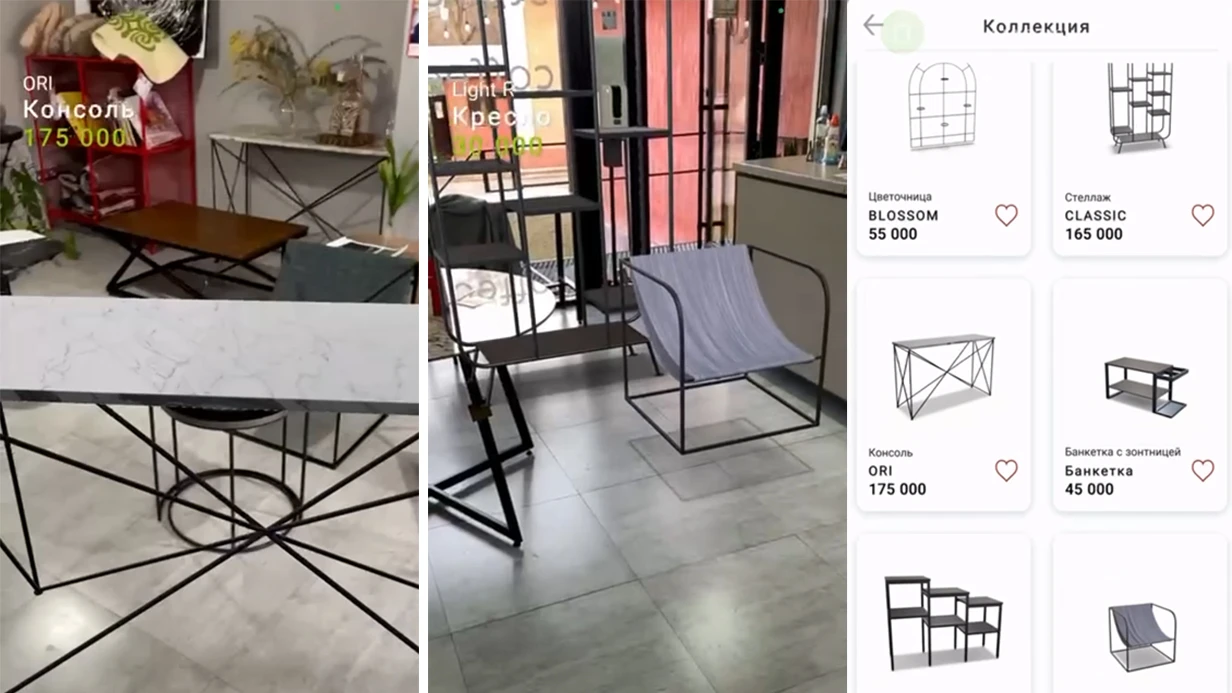
When the client — a major furniture manufacturer — came to us, the task was to present a new collection to dealers and wholesale buyers without a large-scale physical exhibition.
Running an offline event was expensive and slow, and postponing the launch meant losing the selling season. We proposed a virtual showroom: a space where every piece can be examined from every angle and moved into an order right away.
The project took three weeks instead of six months of preparing a traditional exposition. In its first month, the virtual showroom drew more than 12,000 visitors — six times more than the previous physical exhibition over the same period.
The average time spent in the space grew from two to nine minutes: visitors weren't just flipping through a catalog but examining details, changing finishes, and assembling combinations.
The key business result — 430 requests from dealers and wholesale buyers. Of these, 28% turned into first orders within a quarter. For the company, that's nearly twice what a typical regional exhibition delivers.
What's more, the showroom kept working after the advertising campaign ended — it still brings in leads to this day.
We received a repeat order to develop a virtual space for the next collection. MebelPro — as we'll call the client — appreciated not only the fast launch but also the fact that the showroom integrated with their order system and shortened the time from demonstration to deal.
This case study shows that a virtual exhibition solves tasks that once required large budgets and months of preparation. If you have a similar task — we'll show examples for your niche and calculate the expected outcome.
How to Choose the Right Format for Your Task Without Overpaying?
Choosing a virtual exhibition format always starts not with technology but with your business objective. There is no one-size-fits-all solution: what works perfectly for attracting new audiences may not suit presenting a complex product in detail.
Define your goal — reach, new product presentations, lead collection, or working with existing clients — and the format becomes a tool for achieving it.
If maximum reach is the priority, a lightweight online exposition with a catalog and video walkthroughs is enough. If visitors need to examine an exhibit from all sides and "feel" its functionality, choose an interactive 3D booth.
Between these extremes lie intermediate options — and this is exactly where people most often overpay for unnecessary functionality.
Budget control starts before the project begins. Lock in a measurable outcome — for example, a target number of warm contacts or requests during the exhibition — and choose the format and scale around it.
Then you pay for reach and conversion, not for the volume of work or a flashy picture that generates no leads.
Through consulting and audit, we help you navigate this path without unnecessary expenses. We analyze your business tasks, audience, and acquisition channels, then give a concrete recommendation: which format you need, which features actually matter, and what budget is justified. You get a clear, reasoned proposal — not "the most expensive and beautiful option."
Not sure which format to choose? Start with a short brief: that's enough to define the task and the preliminary budget. We'll help you design a virtual exhibition that measurably works for your business — not one that merely looks impressive on screen.
Common Doubts Before Launch: Risks and How We Address Them
Before the launch of a virtual exhibition, clients always have the same questions: will the technology fail, will guests understand the format, and will the event justify itself? Below, we've gathered the most common doubts and shown how we eliminate these risks before the start.
What if technology fails at the height of the event?
By the time of launch, all equipment goes through a series of tests under real working conditions. In case of an unforeseen situation, we have a backup kit and a rapid switchover plan.
Technical support accompanies the entire event and responds to any signal within a couple of minutes.
What if guests can't figure out how to use VR headsets or augmented reality?
We design the experience so that it takes less than a minute to learn. A helper is always stationed near the zone to guide and direct. Even those trying virtual reality for the first time get involved easily and enjoy the experience.
What if the virtual exhibition turns out to be just an expensive toy with no real benefit?
We define the goals in advance: increase recognition, collect contacts, hold attention. We configure the system so you can see how many people entered, how much time they spent at each exhibit, and which sections spark interest. This analytics demonstrates the return on the format and helps strengthen future events.
Who handles support during the event itself? Our team is already busy.
We take the technical side upon ourselves: setup, configuration, guest support, and prompt resolution of any issues. Your team focuses on content and visitor communication, while we ensure the zone runs smoothly.
At the end, we provide a brief report on key metrics so you can see the results and use them in your reporting.
Book a Turnkey Virtual Exhibition Consultation
Let's start with the key point: organizing a virtual exhibition is not just buying a platform — it's a project that involves the technical side, content, attendee acquisition, and analytics.
Without proper upfront planning, it's easy to overpay for unnecessary options or face launch delays. We help you avoid that.
our team is a team with a decade of experience in VR/AR/MR development and online event production. During the consultation, we break down your task and give you an honest picture of formats, timelines, and budget.
You leave with a ready implementation plan and a clear understanding of how the virtual exhibition will pay off for your brand. We've already delivered dozens of similar projects — from corporate presentations to international online exhibitions.
By booking a consultation, you receive:
- A clear turnkey virtual exhibition plan: from scenario to promotion.
- A project estimate based on your goals and number of participants.
- Recommendations on interaction formats: 3D showroom, booth, presentation, session grid.
- Resource and timeline assessment — no vague, shifting dates.
- Integration proposals for your CRM and marketing tools.
- Support at every stage: concept, implementation, launch, and ongoing guidance.
Submit a consultation request — we'll get back to you within one business day and prepare a preliminary project estimate. It carries no obligation. You'll be able to make a decision based on numbers, not guesswork.