



Why a factory digital twin pays off faster than it seems
Production is expensive: every minute of downtime means an unfulfilled order, a missed deadline, and lost revenue.
At the same time, even proven solutions for workshop layout or a new production line are often implemented blind — errors are discovered only during installation, when fixing them costs several times more. Training on real equipment is also risky — a trainee can break the machine or get injured.
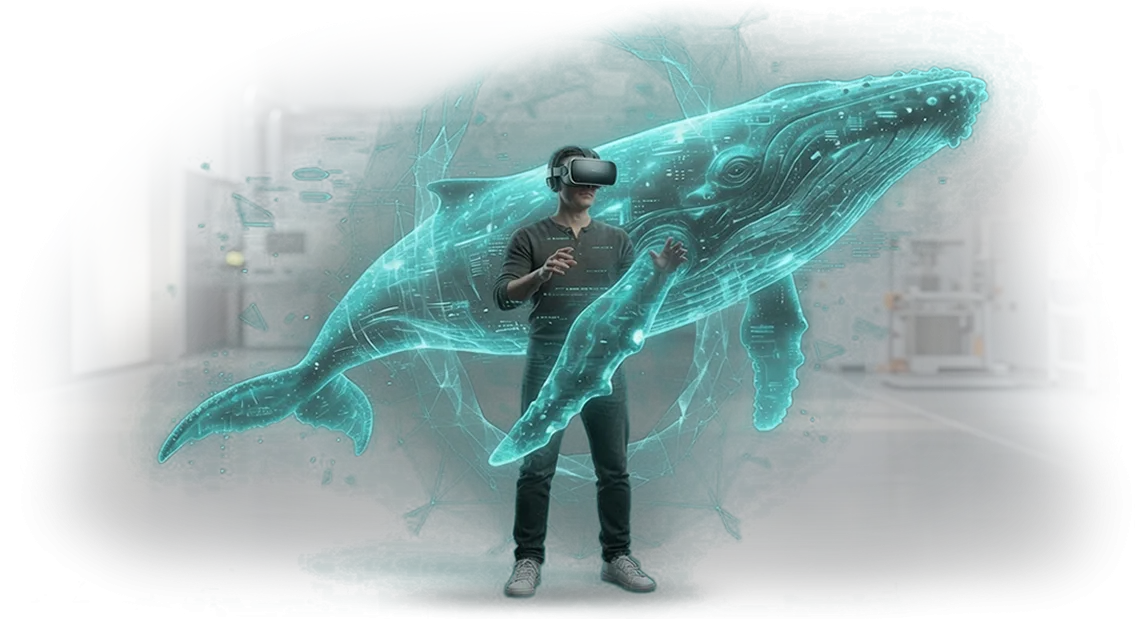
A factory digital twin changes this logic. It is an accurate virtual copy of the workshop that can be used before construction or reconstruction even begins: you can check logistics, equipment layout, and operation runs.
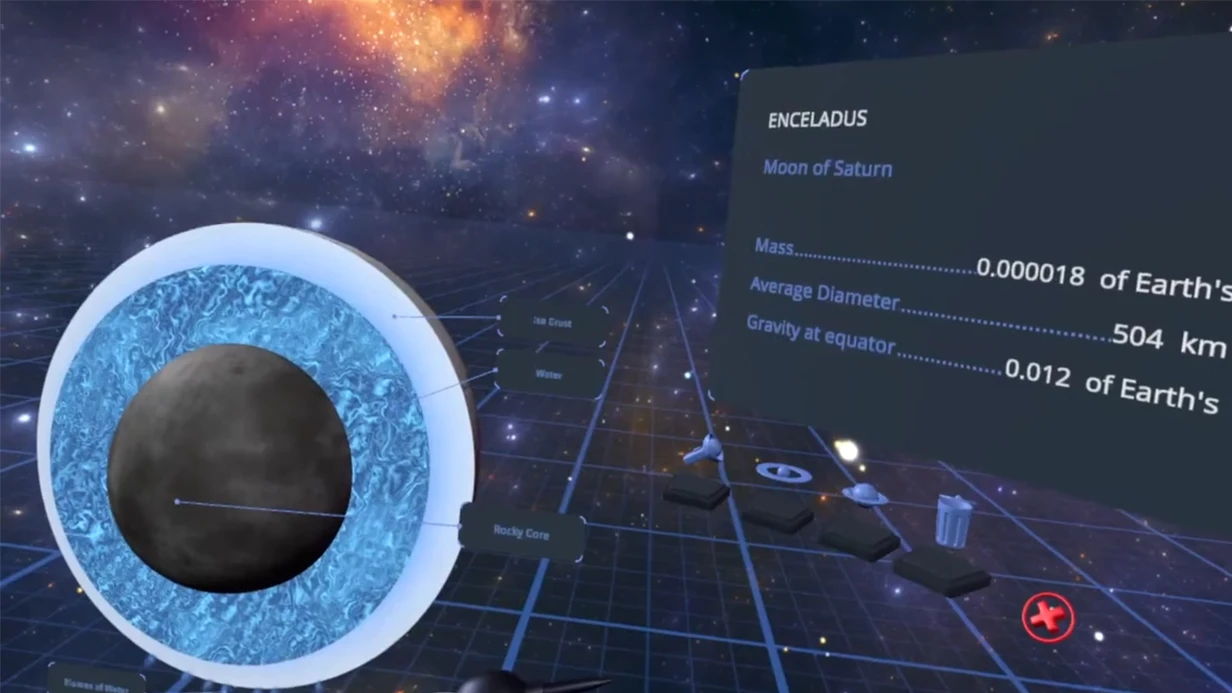
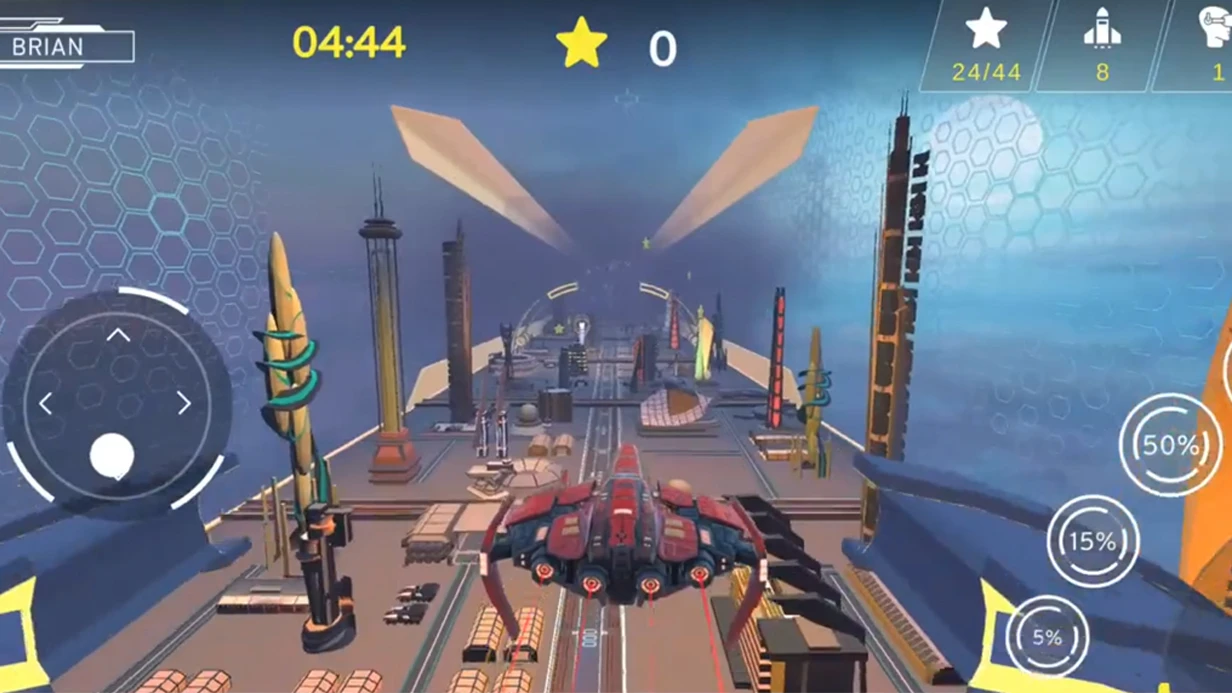
And in VR format, employees master work processes without stopping production and without danger to people or equipment.
Wehave been building industrial VR solutions for ten years and know where they deliver maximum impact. A factory twin pays off faster than expected for three reasons: reduced downtime during launch, fewer errors, and accelerated staff training.
Instead of spending weeks on approvals and rework, companies get a visual tool that works every day.
The main thing is not to wait until the problem becomes more expensive. The earlier the digital twin is included in the project, the faster the client sees results: stable workshop operation, a clear training plan, and confidence in every decision before it is even implemented.
What benefits an enterprise gets from VR/AR/MR solutions
A factory digital twin is not just a 3D model but a working tool that pays off in three directions: sales, training, and marketing. Here is what the enterprise gets right from the start:
- Sales without stopping production. A VR presentation lets you guide the client through the workshops and showcase products without distracting employees or disrupting the schedule. Deals close faster, and the client sees the factory exactly as it is.
- Effective staff training. In a virtual environment, a newcomer learns the equipment without risk to themselves or expensive machinery. Mistakes do not lead to defects or injuries, and skills are reinforced several times faster than when reading instructions.
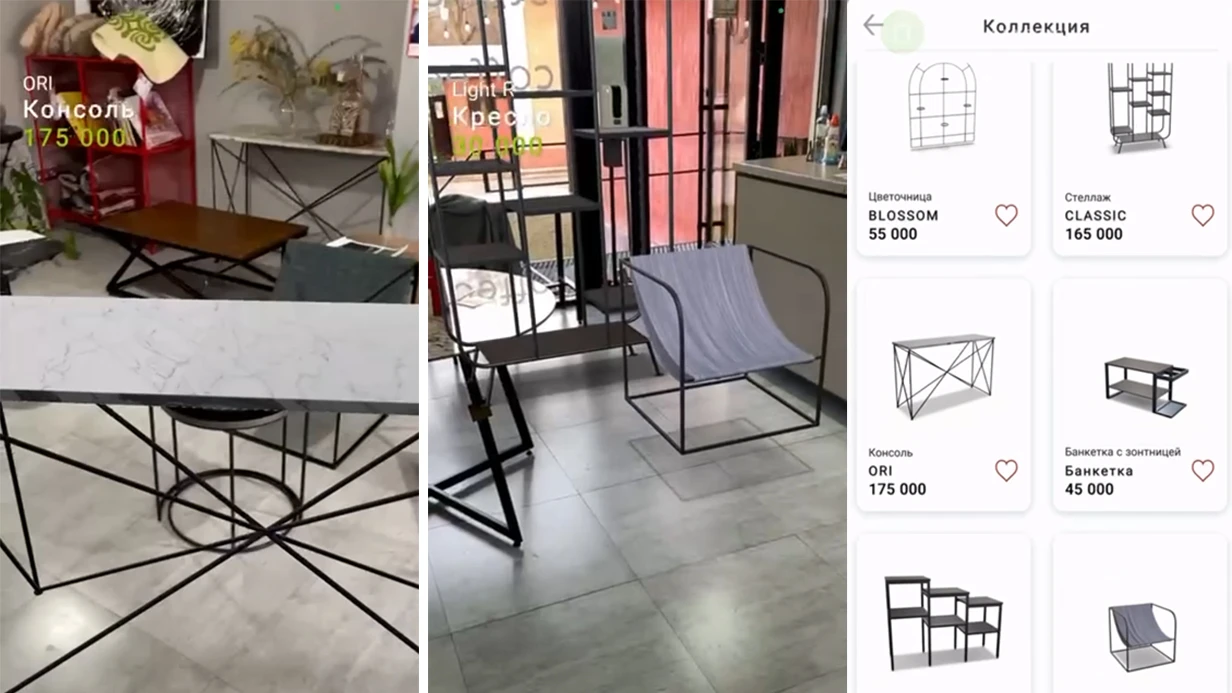
- Factory presentation for clients and partners. AR overlays bring catalogs, brochures, and exhibition booths to life. Just point a smartphone camera — and a potential customer sees how a unit or line works without visiting the site.
- Fast launch and integration. We use proven tools and standard scenarios, so the first stage takes weeks, not months. The solution also integrates easily with your current data and CAD models.
- Lower costs. Fewer business trips, less downtime, fewer defects, and fewer consumables for training. Savings are visible immediately after implementation and keep growing with the scale of use.
We have been implementing VR/AR/MR at manufacturing enterprises for more than 10 years. We will design a scenario for your task, prepare the content, and launch a turnkey solution — from the first brief to training your employees.
Digital twin of a factory: VR, AR, MR formats
A factory digital twin is not one format but a set of scenarios for specific business tasks. Virtual, augmented, and mixed reality solve different problems: from staff training to presenting the factory to investors.
Choosing the right format determines how quickly you get a return on your investment and what your audience coverage will be.
When choosing a format, it is important to start from who will use the solution and what task it solves. Below is a comparison based on typical client scenarios.
| Format | For which tasks | What the enterprise gets |
|---|---|---|
| VR (Virtual Reality) | Virtual factory tour, staff training, production line demonstration | Full immersion without risk or production stops. Quick introduction to the facility for clients and investors |
| AR (Augmented Reality) | AR instructions for repair and setup, quality control, workshop navigation | Fewer staff errors, faster maintenance, transfer of knowledge from experienced specialists to newcomers |
| MR (Mixed Reality) | Collaborative work with a digital model, overlaying designs onto real equipment | Clear modernization planning, reduced downtime during reconfiguration, effective meetings with remote experts |
We help you choose the format for your task and integrate the digital twin into existing processes. At the start, we conduct an audit: where time and money are lost, and which format will deliver the fastest effect on your specific production site.
For example, a virtual tour is enough to show the factory to investors — it does not require special equipment on the viewer's side. For equipment maintenance, AR instructions that overlay hints directly onto the machine are more effective.
And for reconstruction planning — MR, where a new line is visible before it is even purchased. This way you get a solution that pays off immediately, not "technology for technology's sake."
How a VR/AR project is created: stages and control
Before starting development, we understand your production tasks and shape the factory digital twin as a tool that brings value.
Every project goes through clear stages, and you participate only at key control points — that is why the process is transparent and the result is predictable.
- Development brief — we discuss goals, usage scenarios, and requirements for the future solution. We document how the VR/AR project will affect factory operations: staff training, remote equipment monitoring, and workshop demonstrations for clients.
- Design and prototype — we create the structure of the future application and show how users will interact with it. You see the logic and scope before production begins, so you can easily make changes without extra costs.
- VR/AR solution development — the team creates 3D models, interfaces, and work scenarios. We use professional equipment to ensure smoothness and realism: this reduces user fatigue and increases trust in the product.
- Quality control — we test the application on different devices and scenarios and fix any issues found. You get a stable version that will not let you down on launch day or during daily use.
- Implementation at the factory — we install the system, configure it for your infrastructure, and train employees. We minimize downtime: on launch day, the team is already working with the solution without a long adaptation period.
- Support and evolution — we support the project after launch, updating content and features. If production processes change, we refine the digital twin for new tasks — so the solution never becomes outdated and keeps delivering value.
What is included in the VR/AR solution delivery for the client
We include a fixed delivery scope in every project — you see in advance what you will receive and how it will work at your factory. No "black boxes": every handover stage is documented, and all materials remain with you.
What is in the package
- A working VR/AR application for your task: staff training, emergency response practice, virtual workshop tour, or production line presentation.
- Configuration for your equipment and facilities: employees work within familiar logic, with no retraining or downtime.
- Source materials: 3D models, drawings, and schematics are delivered in editable formats — you can update them with your own team or order refinements from us.
- Employee training: we conduct instruction for operators and administrators, and provide video guides and quick references. Usually one day is enough for the team to start working independently.
- Technical support for the entire usage period: we answer questions and help with updates and content refinements.
How you accept the work
We agree on an acceptance checklist in advance: what exactly you check, on which equipment, and what results count as completed. This eliminates disputes and delays at the launch stage.
After delivery, you receive a complete document set: solution description, operating instructions, and certificates of completed work. Everything stays with you — you are not dependent on the developer.
Case study: factory digital twin doubled conversion
It is hard for an industrial factory to show its scale to a client — especially when large contracts are involved. Visiting the production site requires weeks of approvals and a travel budget, while presentations are usually limited to catalogs and renders.
As a result, a potential customer does not feel the power of the workshops or the reliability of the technology and turns to someone who can convince them faster.
The digital twin solves this problem. For the PromMash factory, we developed an interactive copy of the production facility and placed it on the website.
In a few minutes, a client can walk through the workshops, zoom in on equipment, see the assembly process, and understand that the partner is responsible for quality at every stage.
A manager no longer needs to give tours to every new buyer — the virtual twin works around the clock and answers the key questions on its own.
Implementation results
In the first month after launch, inquiry conversion doubled — without increasing the advertising budget.
At the same time, expenses for trips to clients and receiving delegations dropped by about a third: the need for complex in-person presentations disappeared, and people now come to negotiations already prepared with specific questions. This is a direct saving of time for the sales and marketing departments.
Trust deserves a special mention. When a buyer sees a real workshop rather than promises in a brochure, they make a decision faster.
That is why the twin works not only on the website but also in mailings, at exhibitions, and in commercial proposals — one tool strengthens everything you show to the market.
And most importantly: we do not hand over the project and disappear. We integrate the twin into the funnel, set up analytics, and show the dynamics. You see how many people entered the tour, how many made it to an inquiry, and how this affected sales. For your factory, we will prepare a solution with clear expectations for conversion and timelines.
How to choose the format of a factory digital twin?
The right format for a factory digital twin is determined not by trends but by business tasks: what do you need it for? If the goal is staff training and safe onboarding, a detailed VR model is enough.
If you need to monitor equipment right on the floor, an AR interface that overlays data onto real machinery is more effective. The same factory often requires two formats in different areas.
The selection criteria are simple: the scale of the covered territory, the required display accuracy, the frequency of data updates, and the readiness of employees to use new tools.
For example, a workshop with rarely changing lines suits a static VR tour, while dynamic logistics needs a twin that updates in real time.
It is important to assess who will work with the solution: engineers, operators, or managers — the interface and level of detail depend on this.
We select the format based on the specifics of your particular factory rather than selling a standard solution. During the initial analysis, we look at the layout, production processes, and the points where the twin delivers real value.
Then we propose a scenario: full immersion for training, augmented reality for repair crews, or a mixed option for periodic presentations to investors and partners.
This approach eliminates overpaying for unnecessary details and delays caused by overly complex graphics where simplicity is needed. You get a tool the team actually uses, not a demonstration prototype.
If you are unsure, start with a pilot area: it will show effectiveness before scaling to the entire factory.
Frequent client questions about VR/AR development
Most clients come to us with similar questions: how long will the project take, what happens with the equipment, and who is responsible for the result after launch. Below are honest answers that help you make a decision without unnecessary risks.
What are the development timelines for a VR/AR application for a factory?
A typical project takes 6 to 12 weeks depending on scope. At the first brief, we set key milestones and agree on a schedule so you can see the stages and checkpoints.
If you need a pilot launch before a specific exhibition or training session, we will discuss how to speed it up without losing quality.
Do you provide a warranty on the developed application?
Yes, a warranty period is in effect after launch. It includes bug fixes, adaptation to equipment updates, and minor refinements within the agreed scope of work. All terms are written into the contract — you get a working tool, not "a pig in a poke."
What are the equipment requirements on site?
We visit the facility in advance or request the room specifications to choose the optimal solution. In most cases, standard VR headsets or a tablet with a camera are enough — a factory digital twin does not require purchasing expensive workstations. We also help rent equipment for demonstrations.
What about support after launch?
We do not disappear after the project is delivered. We keep a communication channel open, train your employees, and support the application during the warranty period.
If needed, we sign a contract for ongoing support and development — updating 3D models, adding new scenarios, and integrating with your systems.
Still have questions? Describe your task — we will advise which format (VR, AR, or MR) will solve it faster and what that will require.Leave a request — we will prepare a personalized solution
Every factory implements a digital twin in its own way: some need staff training, some need conveyor monitoring, and some need a virtual tour of the workshop for investors.
We do not sell "a box with VR"; we design a solution for your task — that is why we start not with a presentation but with a request.
Leave it on the website — and within one business day you will receive:
- a VR/AR consultation: we will explain where the technology will deliver maximum value to your specific production;
- development cost calculation: a transparent estimate without hidden work or "surprises";
- a commercial proposal tied to your goals — not abstract, but with specific modules;
- a step-by-step implementation plan: from workshop digitization to employee training and effect measurement;
- estimated timelines for launching a pilot project;
- an assessment of the impact on training, safety, and productivity.
After your request, we contact you within one business day, clarify your tasks, and gather the input: workshop plan, equipment list, and usage scenarios. No long briefs or questionnaires — only what affects the project.
Then we prepare a personalized solution: a document that is convenient to show to management and agree on budget. It includes the sequence of actions, team composition, and measurable results: reduced operator training time, fewer emergency stops, and faster line commissioning.
Fill out the form on the website — attach a workshop plan, a technical specification, or simply describe the problem in your own words. That is enough for the first step.
Leave a request now — we will prepare an implementation plan for your factory and show how a digital twin will pay off in your case.