



How natural parks and nature reserves lose visitors without VR formats
Park visitors today expect not just a marked route, but a complete experience worth sharing. Classic eco-trails, information stands, and observation decks are still needed, but they hold attention for only a very short time.
Without digital technology in parks, even unique nature turns into “just another walk” that is forgotten within a week.
For a nature reserve this translates into concrete losses: time spent on site shrinks, repeat visits decline, and the flow of new guests slows down. People choose not simply scenic views, but places where they can have an unusual experience. If no such experience exists, the audience drifts to more active competitors or stays in the city.
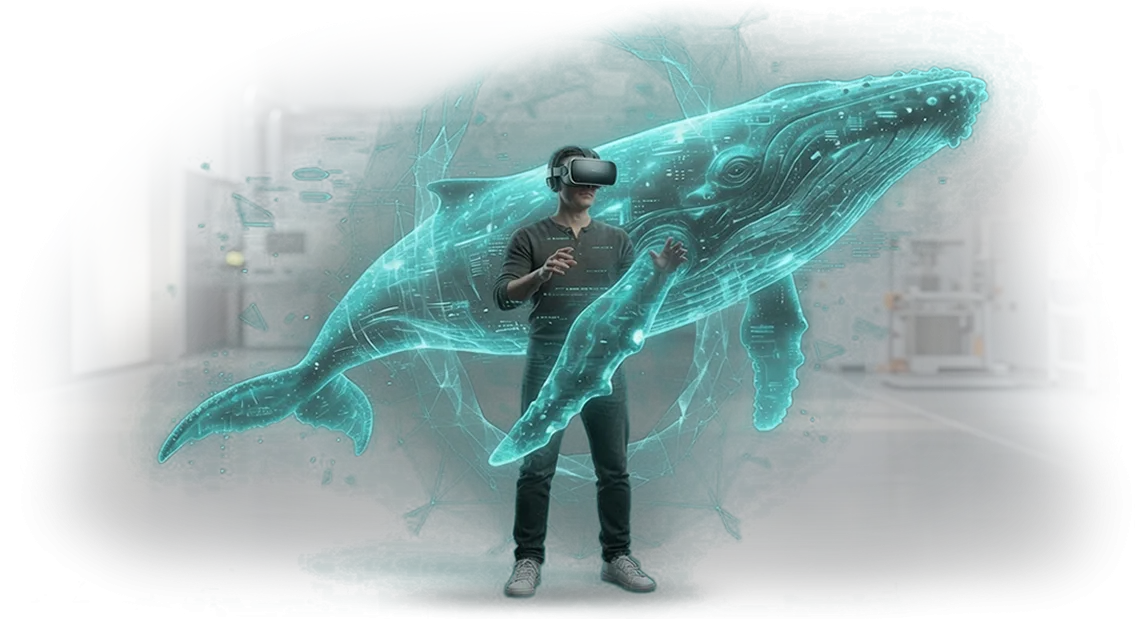
The main paradox: it is nature reserves that have unique content that cannot be shown by traditional means. The lives of rare animals, hidden ecosystem processes, zones closed to tourists — all of this becomes a powerful impression when packaged in a VR format. The guest doesn’t need to be a specialist: put on the headset — and you’re inside the story.
Digital technology in parks solves several tasks at once: visit duration increases, visitors gain a reason to come back and bring friends, and social media mentions grow.
This kind of content attracts guests without large advertising budgets — visitors themselves become carriers of the park’s story.
This is where we help. We develop VR scenarios tailored to the specifics of a natural park or reserve, select installation points, train staff, and support the project after launch.
You get not a standalone attraction, but a tool that revives interest in nature and turns a one-time trip into a regular habit.
What a VR app will bring to your tourist attraction: 5 key benefits
A VR app turns an ordinary visit to a nature reserve into an event that people talk about. For a natural park, this isn’t just technology — it’s a tool for solving specific business tasks. Let’s look at five benefits you’ll get right after launch.
First — vivid guest impressions. Virtual reality makes it possible to show what cannot be seen in person: flying over a canyon, encountering a rare animal, a panorama from a summit. Such emotions make people come back and recommend the park to friends.
Second — growing recognition. Visitors shoot short clips in VR and post them on social media, creating free content about your site. With each such video, the park gains reach without spending on advertising.
Third — a modern image for the territory. A VR project shows that the park keeps up with the times, cares about its guests, and thinks about the future. This increases its appeal in the eyes of tourists, media, and potential partners.
Fourth — availability in any weather and season. In rain, snow, or heat, the VR zone remains active, giving guests something to do and you a steady flow of visitors regardless of nature’s whims.
Fifth — a broader audience. VR attracts young people and families with children who might otherwise have walked past. It’s also a great reason for school groups, corporate events, and tour programs, increasing visit duration and average spend.
VR formats for nature reserves and parks: quest, panorama, tour
For natural parks and reserves, the main resource is live impressions. Visitors increasingly expect not just information, but emotions they’ll want to experience again.
A regular guided route provides a foundation, but it doesn’t show rare locations that tourists are kept away from because of fragile ecosystems. Three VR formats solve this: virtual tour, quest, and 360 panorama.
We work on professional headsets such as HTC Vive so the visitor is fully immersed in nature and not distracted by technical details.
Which format suits your park? It depends on your goal: educating guests, entertaining families, or attracting new visitors online. To make the decision easier, we’ve collected recommendations in a table.
| Format | Who it’s for | What it gives the client |
|---|---|---|
| Virtual tour | For guests who can’t access restricted zones and for visitors with limited mobility | Reduces load on eco-trails, increases time spent in the park |
| VR quest | For families, school groups, and corporate teams | Holds attention for 15–20 minutes, increases repeat visits |
| 360 panorama | For remote audiences and social media | Shows the park before arrival, increases reach and the number of tour requests |
Short summary: for exciting family leisure, choose a VR quest; for showing protected territories, choose a virtual tour; and for promoting the park online, a 360 panorama works well.
The formats are easy to combine: the panorama operates on the website and attracts guests, while the quest becomes part of the visitor center experience.
If you’re unsure which format will bring the most value, let’s discuss it in a short brief and propose a solution tailored to your objectives.
Stages of VR app development for your project: from brief to launch
We run the process transparently: you see every stage and understand what is happening with the project. No “black boxes” — from the first brief to the launch of the finished VR product, you stay informed, approve key decisions, and get a result that solves your park’s tasks.
- Brief and immersion in the task. We study your reserve or park: the territory’s specifics, routes, visitor profile, and goals — education, attracting guests, ecological awareness. We define what problem the VR app should solve.
- Concept and scenario approval. We propose a virtual journey concept: route, key display points, interaction with natural objects. You make edits and approve the final scenario before development begins.
- Project plan and timeline. We create a clear plan: stages, dates for interim reviews, and the areas of responsibility for your team and ours. You know when you’ll see the first results and when we’ll launch the finished solution.
- Development and interim reviews. We create virtual scenes and app logic. We show working versions at agreed milestones — you see progress live, not just in reports. We make corrections along the way so we don’t have to redo everything at the end.
- On-site testing in your park. We bring the equipment and test the app in place: lighting, sounds, visitor behavior. It’s important that the VR experience works reliably in real-world conditions, not only in the studio.
- Launch and team training. We install the equipment, set up the launch, and train your staff to run sessions independently. After go-live, we stay in touch: we support, update content, and help with queue management.
This approach gives you confidence: you aren’t buying a pig in a poke, but creating the product together with us. Every stage is confirmed by agreements and results — so at launch you get a working VR solution, not something to be finished “later.”
What’s included in a VR project delivery and when you’ll get it
We deliver not just a program, but a ready-to-run VR kit — from hardware to interactive content. You get everything needed for launch in one package, and we support the project from the first discussion to stable operation in your pavilion.
Here’s what the delivery includes and when you’ll receive it:
- Brief and scenario — in the first week, we define your park’s goals, select locations for virtual routes, and approve the concept. You understand what you’ll get and when.
- VR app development — in 2–4 weeks, we create content tailored to your territory: rare species, eco-trails, historical objects.
- VR kit delivery — we bring fine-tuned hardware: headsets, controllers, base stations, all in protective cases. We connect and test it in the pavilion or at an outdoor site.
- Installation and setup — we install the system on your territory, calibrate it for the room and lighting, and run test sessions.
- Staff training — in one or two days, your employees learn to start a session, change content, and perform basic maintenance. They don’t need programmers.
- VR support and updates — we help with operation, update scenarios, and add new modules as seasons change or new exhibits appear.
Thanks to this delivery scope, your park gets not a “raw prototype” but a working tool for attracting visitors. A month after launch, you already see the first reviews and returning guests, while the entire technical side stays with us.
Case study: VR quest for an eco-trail — attendance grows 2x
An ordinary eco-trail is interesting once: guests arrive, walk the route, and leave. Bringing them back is difficult, and recommendations are rare. We noticed this across dozens of projects for parks and reserves, so we proposed turning a walk into an adventure using VR.
For the Protected Trails ecopark, we developed a VR quest that combines the virtual world with a real route. At the visitor center, guests complete a 5-minute training session: they need to recognize animal tracks, find rare species, and open a cache on the map.
After that, half of the tasks are solved along the trail — the person looks for answers in the forest, while some hints are visible only through the VR headset. This format holds the attention of both children and adults — there’s no time to be bored.
We measured the results of the first season and compiled them into a report for the park’s management. Attendance doubled: from 40,000 to 80,000 guests per season.
The share of repeat visits increased from 12% to 32% — people return to complete the quest with friends they didn’t get to show it to. Average time on the route grew from 1.5 to 3 hours, and related sales at the café and souvenir shop rose by 45%.
Mentions of the park on social media tripled: guests film themselves in VR headsets and post photos from the eco-trail.
For the next season, the client ordered a second location and a separate, lighter version of the quest for school groups. We are now looking at replicating the mechanics in neighboring reserves — it adapts easily to local nature and legends.
Frequently asked questions about creating VR solutions for tourist attractions
Before ordering a VR solution, most managers have the same questions. We’ve collected answers to the most common ones — so you understand how the work will be structured, what timelines are realistic, and what will be required from your team.
How long does VR project development take?
On average, creating a VR solution for a tourist attraction takes 4 to 8 weeks, depending on the number of scenes, depth of detail, and format (virtual tour, training station, interactive show).
At the start, we create a detailed plan with stages and dates so you can see the entire path to launch.
Importantly, we don’t just hand over a finished product — we support the launch and stay in touch after delivery. If something needs to be corrected or added, it’s handled in the regular workflow.
What happens to the content if the exhibition or route changes?
VR content doesn’t have to live forever. We design projects with future updates in mind: scenes can be replaced, new display points added, or the narration re-recorded.
There’s no need to redo everything from scratch — just contact us with the task, and we’ll make the changes promptly.
For regular clients, we offer a convenient support format: you send a request, we update the content, and return the finished version. It’s cheaper than ordering a new project and doesn’t require you to have technical specialists on staff.
Do visitors need to buy expensive equipment?
No. Everything needed — headsets, controllers, and the computer hardware — we supply and configure for your site. You get a ready-to-use kit, and the visitor simply puts on the headset and follows the prompts on screen.
If you already have your own equipment, we’ll check compatibility and set up the software for it. We can also offer rental options if a full purchase at the start isn’t practical.
These three points worry clients most often — but of course there are other questions too. Leave a request, and we’ll answer them in a short consultation: no obligations, no technical details, only the essence of your task.Ready to launch a VR project? Contact us for an estimate
A VR project is a way to attract new visitors and give regular guests a reason to return. But it’s often unclear how much it costs, how long it will take, and how it will fit into the park’s daily operations.
We address these questions in a single meeting: we’ve been creating VR solutions for museums, parks, and nature reserves for over 10 years — from idea to launch.
After submitting a request, you’ll receive:
- A preliminary cost and timeline estimate — before development, so you can plan your budget.
- A VR engineer consultation — we’ll advise which format suits your visitors: sightseeing tour, quest, simulation of a natural phenomenon.
- A use-case review: where to place the VR zone, how to integrate it into the tour route, and how to avoid queues.
- Examples of our projects for natural areas and reserves — we’ll show you how it works in practice.
- A clear project launch plan that accounts for your seasonality: when to prepare the site, install equipment, and launch promotion.
- Technical recommendations: what’s needed from the space, electricity, and furniture layout so installation takes one day.
We work on professional VR equipment, so the attraction remains stable even on peak days. We don’t just create a “pretty picture” — we think through the logistics for your team: we train staff, provide instructions, and stay in touch after launch.
Leave a request for a VR project — we’ll call back within one business day and prepare an estimate tailored to your task. We’ll start with a consultation: you’ll receive concrete recommendations even if you aren’t ready to launch yet. It comes with clear benefits for your project.
How to choose the right VR app format for your site?
There is no single “best format” — it’s determined by your park’s objectives and audience. For example, showing remote ranger stations or routes closed to visitors calls for one scenario, while immersing school groups in a reserve’s ecosystem calls for another.
That’s why before development we always ask: what exactly should change in your site’s life after the VR app launches?
There are several options, and each addresses its own task. A simulation tour, where a person “flies” over a valley or walks along a trail that can’t be opened to mass tourism, is a way to increase the site’s appeal and give guests a new level of immersion.
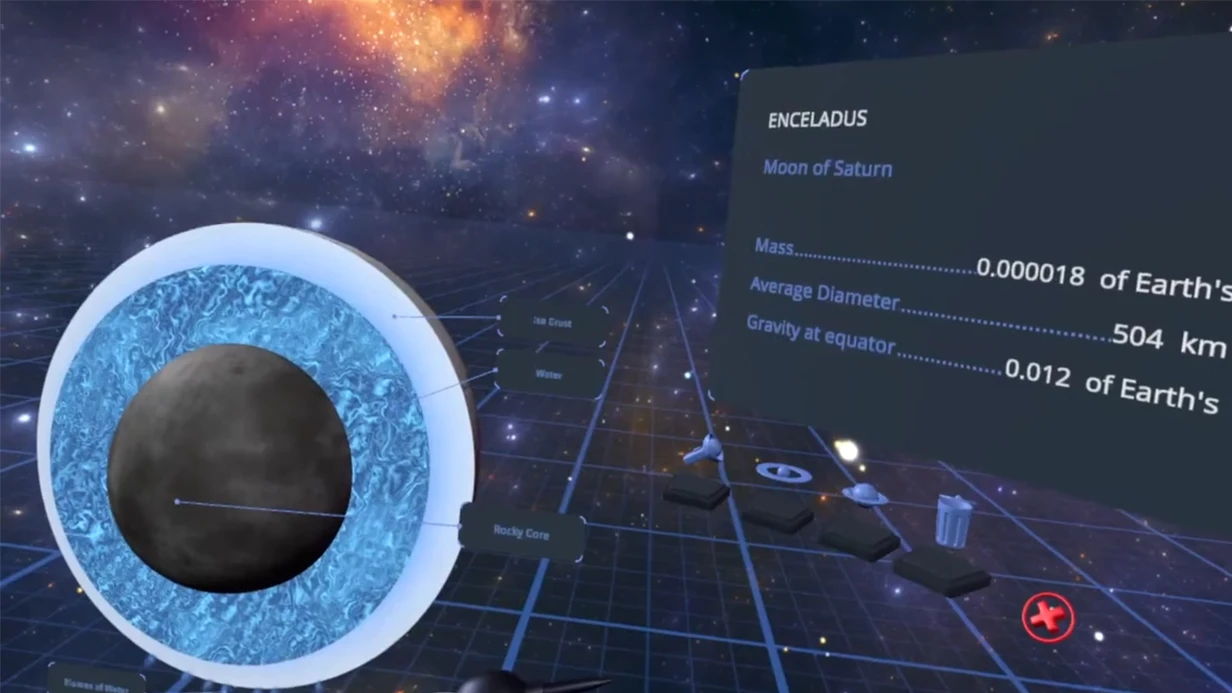
An interactive “living forest” station or a historical scene helps explain the reserve’s value and engage young people. A group format led by a guide turns VR into a tool for education and environmental awareness — this way you reach more people than with a single-person capsule.
The right format isn’t the one that looks most spectacular, but the one that solves a measurable task: increasing attendance, attracting a young audience, or promoting a new route.
We help you select the right option at the consultation stage: we analyze your park’s specifics, guest traffic, and use cases, and suggest the optimal configuration — from a stationary VR point to a mobile show that can be moved between locations along the route.
This approach has already proven itself in natural parks: VR zones make it possible to show protected nature without risk to the ecosystem and without the cost of building infrastructure.