




Fitness and wellness centers are losing clients: how VR brings back interest
Clients come to a fitness club motivated, but after a month that motivation fades. Monotonous workouts, repetitive programs, and the lack of novelty lead to memberships not being renewed — the center loses up to 30-40% of its visitors annually.
The battle for attention is no longer just between gyms, but also against home workouts, online services, and leisure activities.
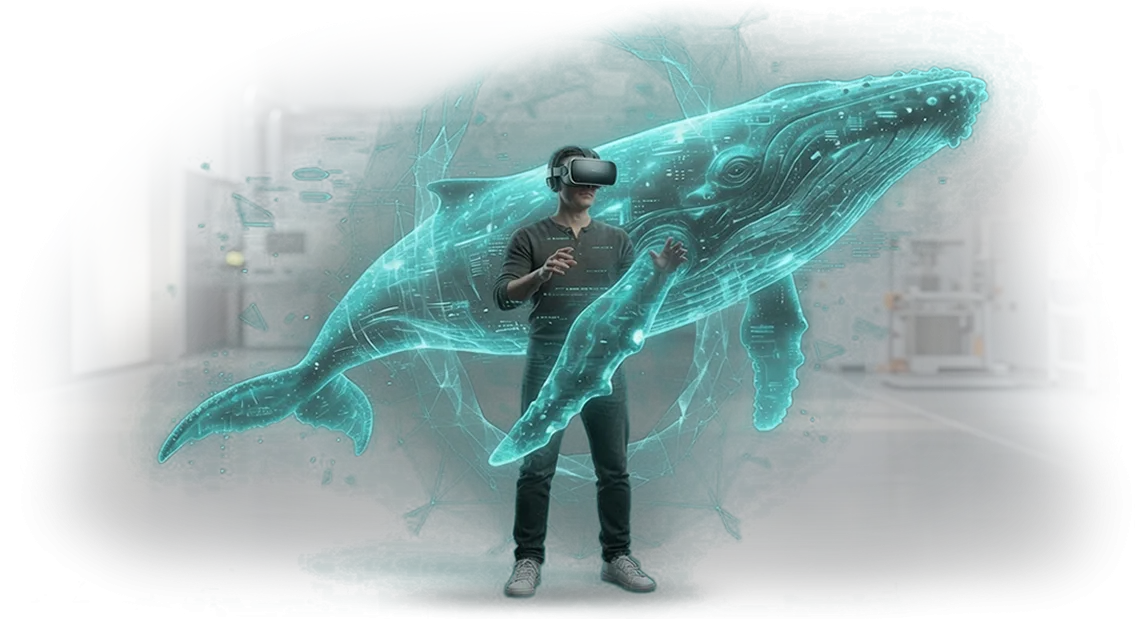
VR for fitness changes the very model of how a workout is experienced. Instead of boring running or stationary cycling, the client steps into a virtual world where they need to move, dodge, and squat — and they do it with a smile and enthusiasm.
This format suits both beginners and advanced athletes: the intensity and duration of each session can be adjusted to the individual.
The main effect of virtual reality in sports is engagement. Guests stay after a workout for "one more game," return the next day, and bring friends to show them.
This increases gym utilization, raises the average check, and turns the club into a center of attraction rather than just a place to work out.
For the owner, this solution is a way to reduce churn without radically restructuring the business. All that's needed is to allocate a zone for VR attractions, launch a few scenarios, and train the staff.
We design and implement such spaces turnkey: from equipment and scenario selection to loyalty program integration. In the end, the center gains a competitive advantage that brings back client interest and keeps them engaged long-term.
What a VR application will give your center: 5 key benefits
Fitness centers today compete not for square meters, but for client attention and loyalty. Regular exercise machines and group programs no longer impress — visitors are looking for new experiences and fast results.
VR workouts turn a routine session into an exciting adventure that people remember and want to come back to.
First benefit — attracting new clients. A VR zone looks unusual, sparks curiosity, and creates a word-of-mouth effect.
Visitors film what's happening on their phones, share it on social media — and you get free reach and a stream of inquiries from people who want to try "that thing."
Second benefit — retention and regularity. VR workouts take the form of a game: people don't notice how time flies and don't perceive the exertion as boring work. The emotional boost after a session reinforces the habit — the client renews their membership and comes more often. This reduces churn and increases the average client lifetime.
Third benefit — additional revenue. VR sessions can be sold separately from memberships: one-off trial sessions, packages of 5-10 workouts, corporate and event formats. This is a new revenue stream that doesn't require hiring extra staff — one trained trainer is enough.
Fourth benefit — a unique experience that sets you apart from competitors. A center with VR workouts is perceived as modern, tech-driven, and focused on client results.
This strengthens the brand, justifies a higher price point, and makes your offering one of a kind in the area or city. As a result, you gain a sustainable advantage that's hard to copy without professional development and content tuning.
VR application formats for fitness and wellness centers
Regular workouts quickly become dull: visitors lose interest and stop renewing memberships. VR workout formats turn routine into game and adventure — this keeps clients coming back and attracts new ones.
We develop turnkey applications for Meta Quest that can be easily integrated into your center's schedule.
To help you choose the right option, we've outlined the main formats and shown what each one brings to the business.
| Format | For whom | What it gives the client |
|---|---|---|
| Virtual trainer | Active visitors tired of regular cardio and strength workouts | Personal sessions in vibrant worlds with calorie and result tracking — increases the value of the membership, motivates people to return |
| Group VR quest | Groups of friends, corporate teams, family visitors | An emotional experience they'll want to repeat; a natural reason to bring friends and expand your reach |
| Personal VR coaching | Clients who want an individual program and progress tracking | An exclusive format with a trainer that generates more revenue and sets your center apart from competitors |
These aren't just different scenarios — they can be combined in one space to cover the needs of different segments. For example, morning hours can be dedicated to personal coaching, while evenings run group quests.
We help you choose the format that fits your audience, develop the scenario, and advise on how to build VR into your marketing. At the end, you get a ready-made tool that works toward client retention and increasing the average check.
How we work: from brief to launch in 6 steps
We've structured the process so you always know what's happening at each stage and when you'll get the result. No "black box": you always see what you're paying for and can influence the development before launch.
- Brief and task immersion. You fill out a short brief or simply have a call with us. We figure out who the VR zones are for — regular clients, new visitors, or corporate events — and what goals you're pursuing: acquisition, retention, or an additional service.
- Concept and project plan. We propose VR usage scenarios for your fitness or wellness center: from individual workouts to group activities. We lock in timelines, stages, and budget — with no hidden surcharges.
- Scenario and design approval. We show what the virtual spaces will look like and how visitors will interact with them. We make revisions before main development begins — this saves time and money.
- Development and assembly for your format. We build an application adapted to virtual reality headsets and the specifics of your center: session duration, intensity level, and instructor capabilities. We work with professional equipment and tools, so the result is stable.
- Testing with your scenarios. We check how the application behaves in real conditions: ease of control, load on visitors, technical issues. You can test it yourself and give feedback before launch.
- Launch and support. We install the equipment, set up one-button launch, and train the staff. After launch, we stay in touch — we help with updates, add new scenarios, and answer questions so your VR zone delivers value for a long time.
What's included in the delivery: a complete kit for launch
Getting a VR solution is just the beginning. So you can launch the new direction quickly without getting bogged down in technical details, we hand over the full package: from the application itself to staff training and ongoing support. Here's exactly what's included.
-
A ready-made VR application for your format. We adapt the interface, workout scenarios, and intensity levels to the profile of your center: from group workouts to individual relaxation sessions. The application is installed on the equipment and runs without failures.
-
Equipment and setup. We help you select professional VR headsets and supporting hardware for your tasks and space, configure everything, and run test sessions. All equipment arrives ready to work.
-
Staff training. We run hands-on sessions for trainers and administrators: how to organize a session, help a guest put on the headset, monitor their condition, and adjust the program. Your team gains solid skills before the doors even open.
-
Documentation and instructions. We provide clear user manuals, client guides, and methodological materials for running sessions. These documents make it easy to bring new staff up to speed.
-
VR tech support and maintenance. We're available by phone and in messengers during business hours — we answer questions, help fix issues, and perform preventive equipment maintenance. You're never left alone with a problem.
-
Content and feature updates. We regularly release updates: adding new workout scenarios, improving the interface, and fixing any issues. All updates are installed remotely.
This package lets you launch a VR direction without a separate team of developers or administrators — you get a working system that we continue to monitor and keep up to date.
Case study: how a VR trainer increased fitness center attendance by 30%
When every day at a fitness center looks the same, even motivated clients start skipping workouts. A club chain in a major city hit this exact problem: cardio zone utilization was dropping, and membership churn was growing.
We proposed not just upgrading the equipment, but adding a fundamentally new activity format — a virtual fitness trainer powered by Meta Quest.
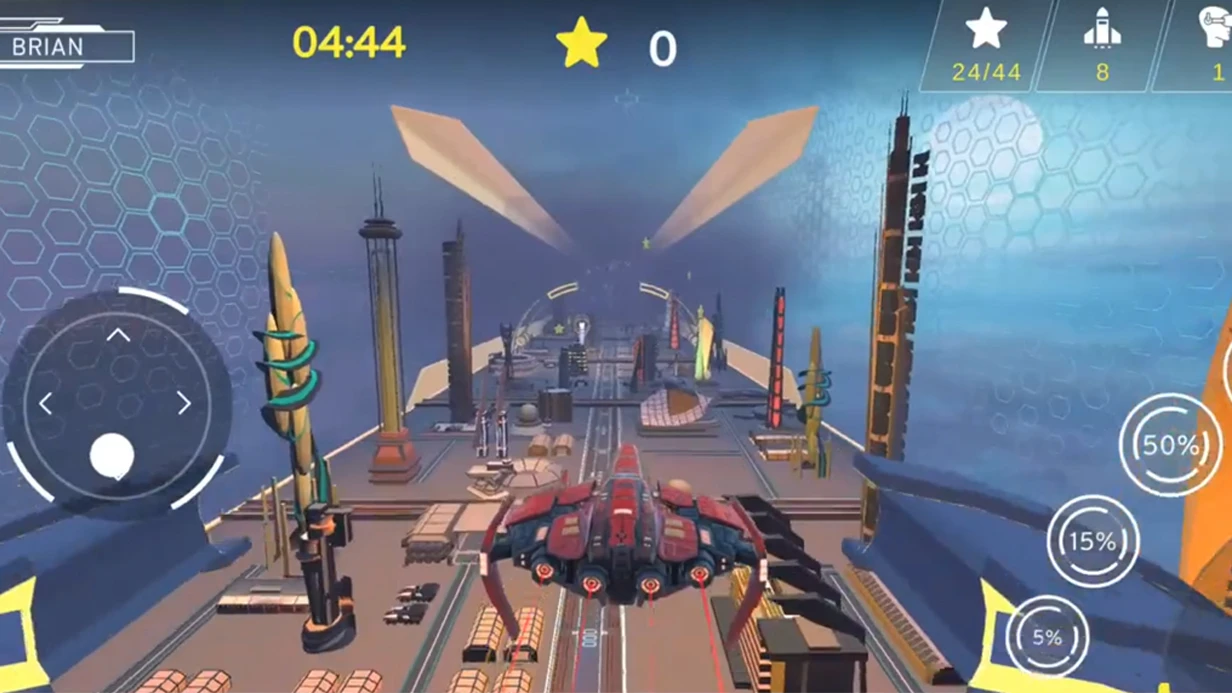
Over two months, we installed a VR workout zone, trained the staff, and launched a session booking system. Guests got the chance to "run" through a futuristic city, compete with other participants' records, and perform interval training in game form.
The result exceeded expectations: club attendance grew by 30%, and average workout time increased by one and a half times.
What changed for the business
The numbers speak for themselves: in the first three months, the number of workouts in the virtual zone reached 400+ per week, and 70% of participants renewed their membership after trying the VR format.
Clients started bringing friends — the "new experience" effect that people want to show off and share kicked in.
For the owner, this means steady gym utilization and revenue growth from existing floor space. The additional equipment takes up just a few square meters, yet it delivers a competitive advantage that classic exercise machines can't replicate.
Why clients come back
A VR workout is an emotion, not a chore. Unlike a treadmill, there's a goal, a storyline, and a leaderboard among club members. That's why guests visit more often, stay longer at the club, and post about it on social media — the owner gets free reach and growing brand awareness.
This case study confirms: a virtual trainer is not entertainment, but a working tool for retaining and attracting clients. Maybe now is the time for your fitness center to achieve the same result.
How do I choose the right format for my fitness and wellness center?
Choosing a VR format for a fitness and wellness center starts not with equipment specs, but with your business goals. Think about what matters most: attracting new clients, keeping existing ones, or raising the average check.
The answer will determine whether you need a stationary zone at the front desk, a dedicated VR room, or portable headsets for group workouts.
If your goal is to stand out from competitors and create a wow effect, a stationary VR zone in the guest welcome area works best: it immediately catches the eye and encourages signing up for a trial session.
If you want to launch a new training direction, consider a dedicated room with multiple headsets. It supports group sessions and increases the time clients spend in the club.
For clubs with limited space, portable systems are a great fit — they can be set up in any free area, and the trainer controls the intensity and corrects movements in real time.
This option works well for rolling out VR fitness across several rooms at once without taking up permanent floor space. Guests perceive the session as a game, so interest in training rises noticeably.
When choosing a VR format, it's important to assess throughput: how many people can train simultaneously and how this affects gym utilization. Keep your budget in mind — you can start with a couple of headsets and scale up as demand grows.
A professional consultant will help you calculate the return on investment and put together a package for your space and visitor flow.
We'll analyze your center's goals, floor space, utilization, and budget, then recommend the optimal format — from a mobile kit to a full VR room.
Leave a request for a consultation — we'll tell you which options fit your club and how quickly they'll start generating profit.
Frequently asked questions about VR for fitness
When it comes to VR for a fitness center, the same doubts always come up first: will the equipment break, can visitors handle it, will the investment pay off. That's fair — any tool in a gym has to work reliably and not demand constant attention from staff. We've gathered answers to the most common questions so you can see the real picture.
Won't the VR equipment break under constant use?
Modern headsets are built for intensive use. We select professional models that withstand hundreds of hours of operation and back them with maintenance: regular diagnostics, replacement of padding, and disinfection. Downtime stays within a few hours over the entire active use period — the gym doesn't lose revenue.
Is it hard for clients who have never used VR?
We design scenarios for beginners: within thirty seconds the guest is inside the workout, with no instructions or complicated settings. The first session is guided by a trainer or administrator and takes about two minutes. In practice, after that first experience, most visitors return to VR workouts within a month.
How expensive is it, and when will it pay off?
Implementation is comparable in cost to several modern exercise machines, but it delivers a different effect: it attracts a new audience, raises the average check, and gives people a reason to talk about you on social media.
Typically, payback takes three to five months if you offer VR as a standalone format or fold it into premium memberships.
If your question wasn't answered — let's talk it through on a short call. We'll tell you which VR solution fits your center and how to build it into your schedule without any hassle.Leave a request – get a demo and cost estimate
Want to launch VR workouts that bring in new clients and boost the loyalty of existing ones? Competition among fitness centers is growing, and standard programs no longer surprise anyone.
VR on Meta Quest hardware is a format that sets your club apart and opens up an additional revenue stream — and an experienced partner helps you launch it without missteps.
Leave a request for a VR application for your center — we'll prepare a VR demo and a cost estimate based on your goals. The consultation comes with no obligation.
What's included in your request:
- Consultation on workout scenarios: we'll determine which VR activities fit your clients — from cardio to recovery.
- A VR workout demo: you and your team can test the application before development even starts and experience the effect firsthand.
- Cost and timeline estimate: a transparent breakdown with options for your budget — no hidden fees or surprise charges.
- Integration recommendations: we'll advise on how to fit the VR zone into your schedule, attract participants, and raise the average check.
- A gift for your center: a VR launch checklist — with steps, common mistakes, and examples from our practice.
We work remotely and support the project from brief to launch. We've already helped dozens of clubs, and your center could be next. Fill out the form — we'll get back to you within 15 minutes, clarify the details, and send the demo with the estimate.
Take the first step toward a direction that brings emotion to your clients and profit to you.