



Clients Are Defecting to Competitors While Your Advertising and Marketing Budget Melts Away
Every year you allocate budget for advertising and marketing, yet clients increasingly walk past you. Banners go unnoticed, videos get skipped, and competitors win the audience with something new — something that truly stops the eye and makes people stay.
It's not that your offer is worse. It's simply that traditional channels are overloaded: a person sees hundreds of advertising messages a day and no longer responds to familiar formats.
Attention has become the scarcest resource, and the winner is the one who offers not another piece of text or image, but an experience that cannot be ignored.
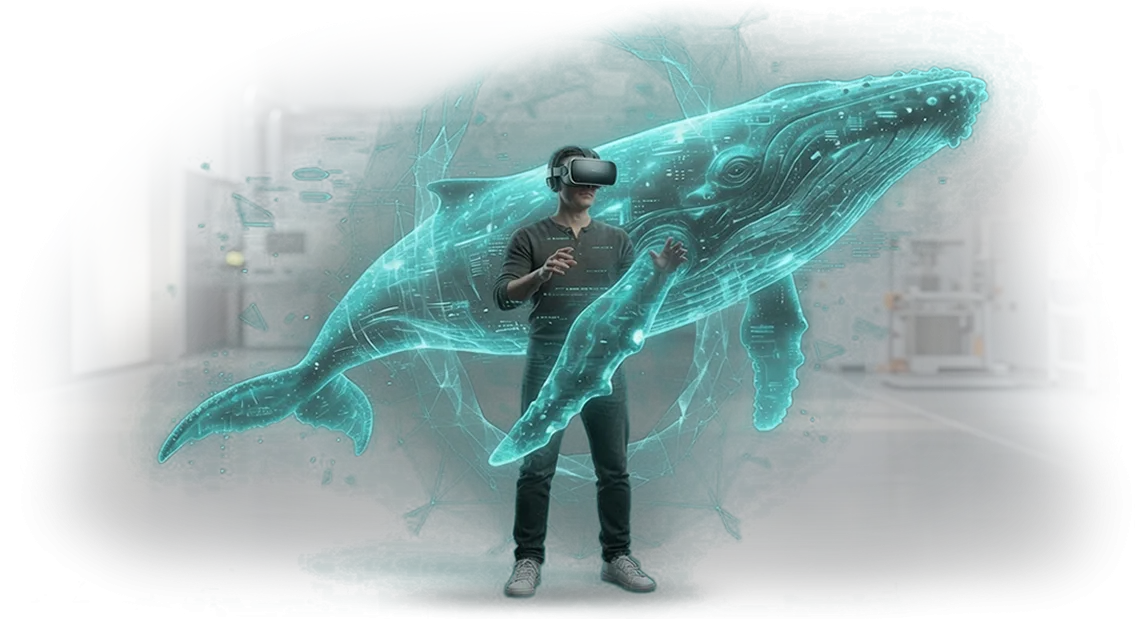
VR for business solves this problem. Instead of viewing — immersion, instead of a boring description — interactive advertising where the client controls the scenario themselves and engages with the product.
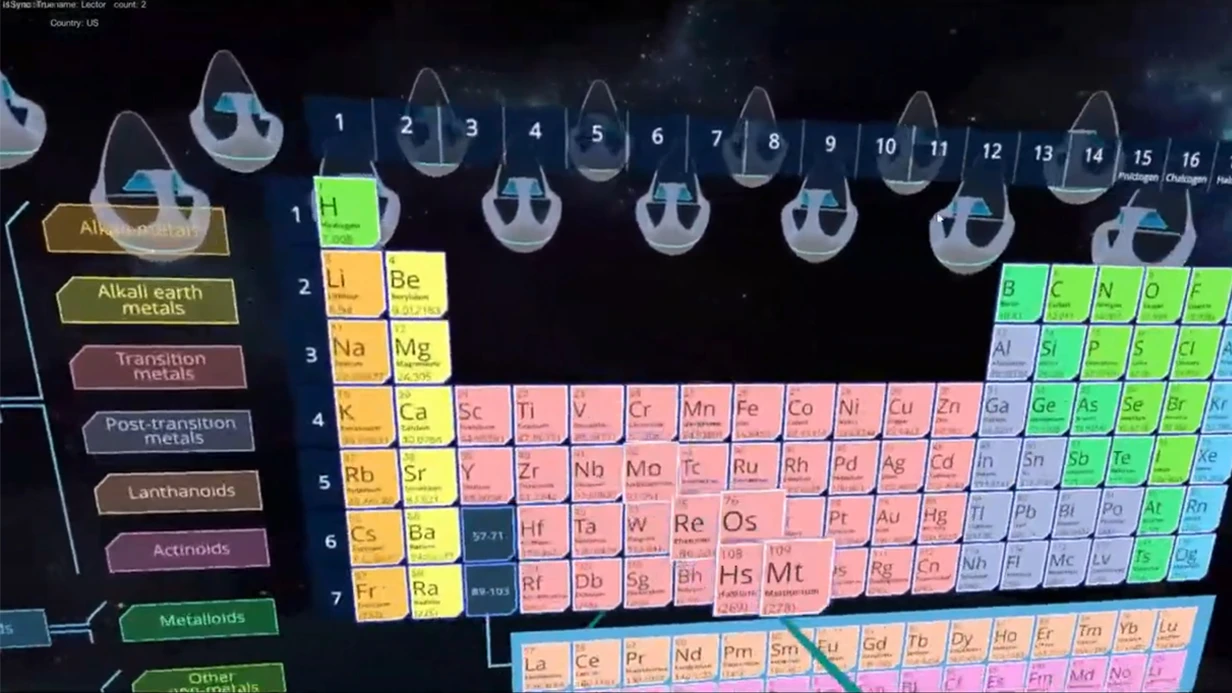
Imagine: a buyer doesn't read specifications but finds themselves inside your office, workshop, or showroom. They see the product in action, interact with it, and remember the emotion of contact with the brand. This is client engagement on a fundamentally different level.
And the technology is already available: applications for Meta Quest are compact and easy to scale. One headset — and the client gets a full-fledged presentation, training, or virtual tour that works at any event, in a showroom, or right on the sales floor.
This approach doesn't replace classical marketing; it amplifies it where ordinary tools are powerless: at the moment of first contact with the brand.
We help businesses close the gap between advertising and real experience. We create VR projects that hold attention, spark conversation, and turn visitors into buyers. Your budget starts working for results — for recognition, trust, and sales.
What Developing VR Applications for Advertising and Marketing Delivers
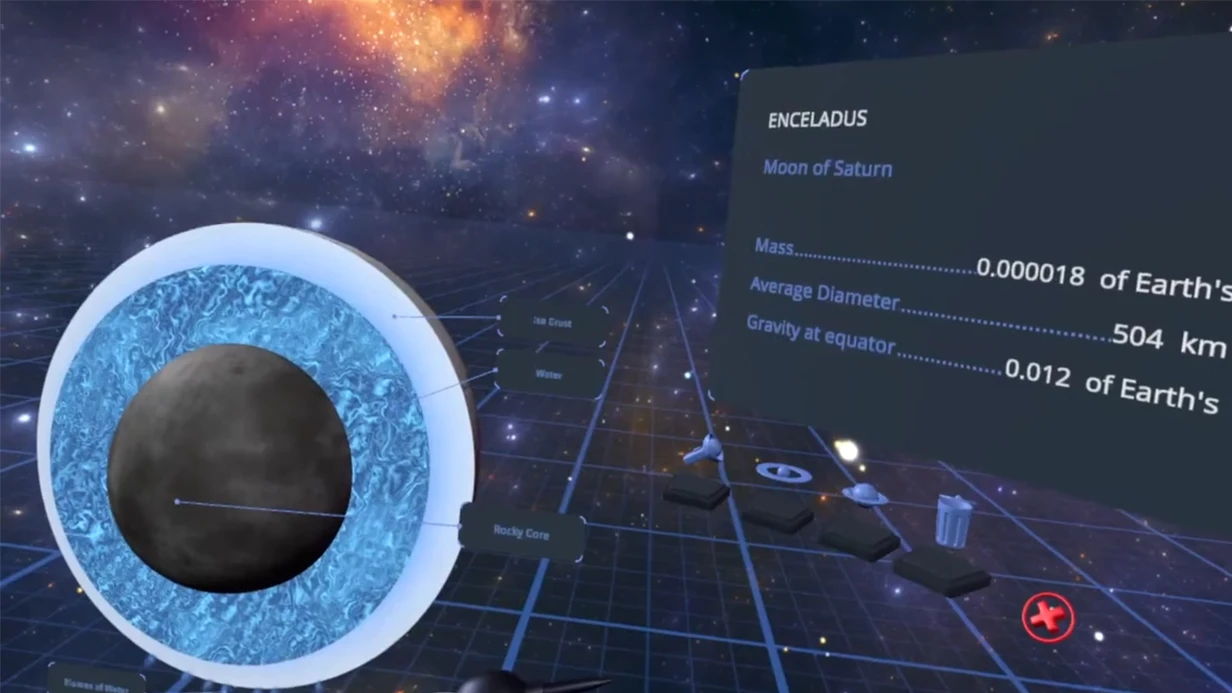
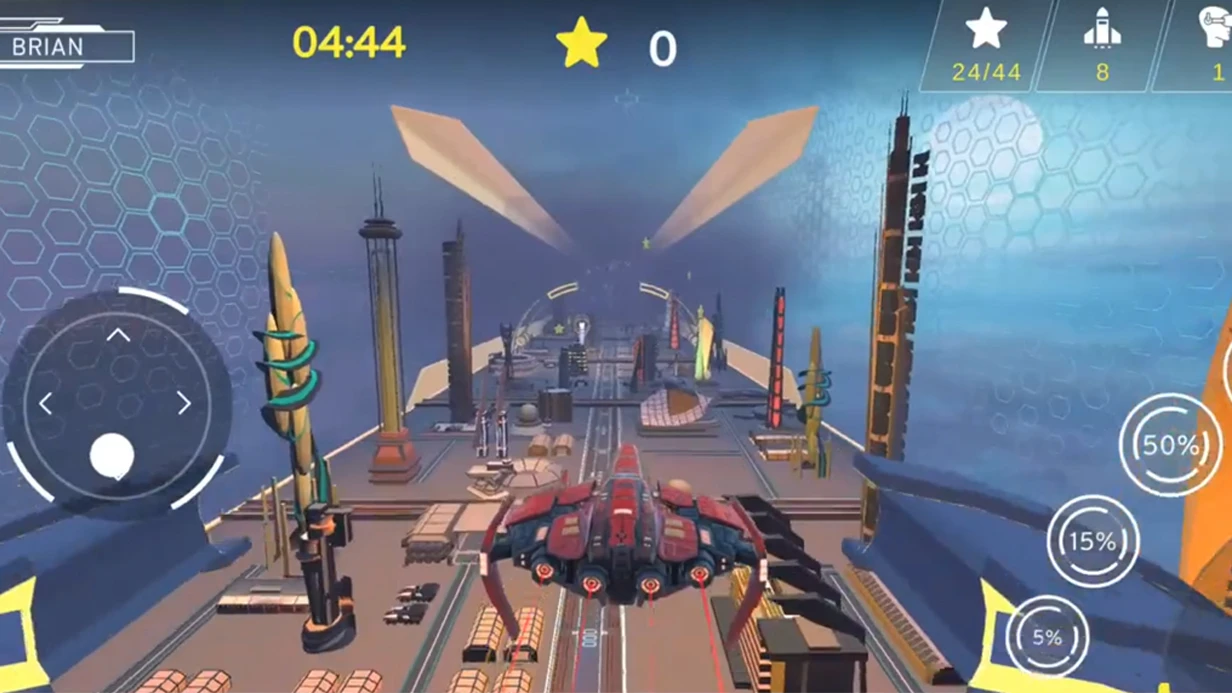
Immersive advertising in virtual reality differs from an ordinary banner: it doesn't just show the brand — it immerses you in it. A person remembers the experience they lived on the level of emotion, not an abstract message.
That's why VR presentations deliver high brand recognition and increased memorability — guests keep talking about what they saw long after the campaign ends.
At our team we create VR presentations for modern headsets, but the technical part stays behind the scenes. For the client, the result is one: a visitor steps into the role of your hero, tries the product, and leaves with an impression worth sharing.
For Image Campaigns
Image campaigns solve the challenge of reach and emotional connection with the audience. A VR zone at an event attracts attention, creates a line of people eager to try it, and guests themselves shoot and publish videos on social media. One event turns into a stream of brand mentions that keeps working long after the venue has closed.
For Product Promotions
Product promotions target conversion and leads. In a virtual environment, a buyer can examine a product closely, change its color, look inside, or see it "in action." This removes the main doubts and speeds up the decision.
At exhibitions, a VR presentation turns passersby into interested leads: after the session, you get contact details and a ready database for the sales team.
We choose the scenario according to your goal — reach or inquiries — and in either case, we convert guests' attention into trust and sales.
Formats of VR/AR Projects for Business Tasks
The project format determines exactly how the client will see and remember your product. There is no universal solution — for each task we select the option that works toward a specific goal: showcase a product, engage a visitor, train staff, or launch viral reach. Below are the typical formats most commonly used in advertising and marketing.
| Format | Who It's For | What It Gives the Client |
|---|---|---|
| VR showroom | Companies with a large product catalog | A complete product showcase without logistics and rental costs, quick display changes |
| AR mask | Brands working with social media | Viral distribution: users share content themselves, recognition grows |
| VR training | Retail, manufacturing, chains | Fast employee onboarding without stopping work, fewer errors |
| Interactive stand | Exhibition and conference participants | A stream of visitors, more collected contacts, a memorable stand image |
For Retail
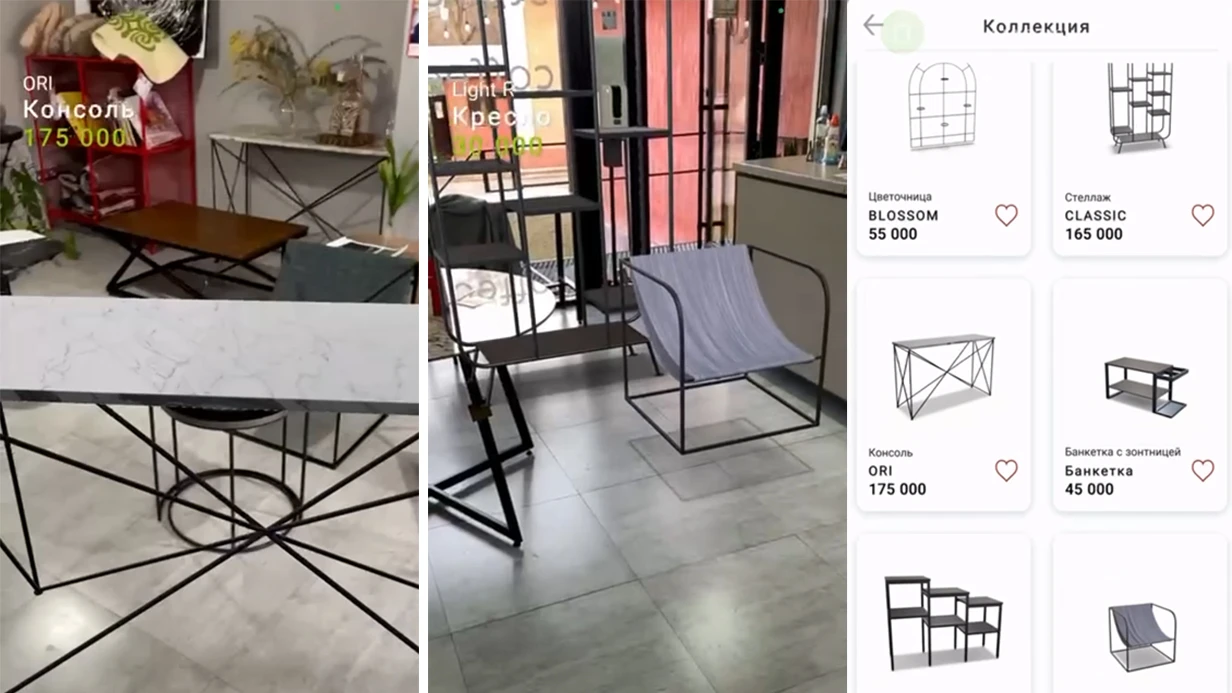
Retail needs to present a product in a way that makes people want to buy it. A VR showroom solves this: a buyer "arranges" furniture in their apartment, examines shoes in detail, or selects a car color — right at the offline location or through an app.
This increases conversion and reduces returns because a person sees the product in the right context in advance.
AR masks are a separate tool for retail: try on glasses, cosmetics, or clothing without a fitting room. This format gives not only reach but also a base for repeat sales — the user gets a link to the product along with the result.
For Exhibitions
At an exhibition, the main resource is the visitor's attention. An interactive stand with a VR presentation sets a company apart from dozens of neighbors: people approach on their own, put on the headset, and find themselves inside your product or brand story.
This works better than any brochure — the visitor remembers exactly you and shares the impression with colleagues.
our team has been using this approach for over 10 years. We handle the entire cycle — from idea to launch — and choose the format based on your KPIs, not on trendy technology.
How the Development of a VR Solution for Your Brand Works
Developing a VR solution for advertising and marketing is a transparent process of six stages. You participate at key points: you approve the scenario and design, see early results, and accept the finished application.
Design Stage
-
Brief and analysis. We dive into your task: what we sell, who we show it to, and what emotion we want to evoke. Together we define a measurable goal — increased recognition, audience reach, or number of contacts.
-
Scenario and concept. We write the interaction scenario: what the user sees, how they move, and what they feel. You receive a clear description of the future experience — without technical jargon.
-
Design and approval. We create a visual style for your brand. At this stage, you approve the look and atmosphere of the future application — before resources are invested in development.
Implementation Stage
-
Development. We assemble the scenario, design, and interaction mechanics into a working product. We use proven tools so the application runs stably on devices and doesn't let you down at the critical moment.
-
Testing. We test with real users: is the device comfortable to wear, are the hints clear, is the focus maintained. We fix everything that interferes with the impression and show you the intermediate result.
-
Launch and support. We publish the application on the required platforms, train staff if needed, and help with event integration. After launch, we gather statistics and suggest improvements — you get a tool that delivers measurable results, not just a technical demonstration.
What the Delivery of a VR/AR Project Includes
Ordering a VR/AR application, you get not just a program but a ready working tool for your business. We hand over a complete package so you don't depend on the developer and can manage the project right after launch.
Standard Package
- A ready application, adapted to your marketing task — from a virtual showroom to an immersive advertising campaign.
- Source code and all materials — the product belongs to you, not the studio. You can develop it with us or with any other team.
- An admin panel for independent content management: change texts, photos, 3D models, and scenarios without a programmer.
- A clear manual for launch and operation — in Russian, with examples and typical situations.
- Staff training: we hold an online session after which your employees confidently work with the application and handle daily tasks.
Extended Support
After launch, we don't disappear. Project support includes technical assistance during the warranty period: we answer questions, help with updates, and promptly resolve failures. This matters if the application is used at events where every hour of downtime costs money.
For long-term projects, we enable an extended plan — we regularly update content, add new features, and optimize performance for new devices. You get predictable results without searching for a new contractor and without losing accumulated expertise.
The bottom line is simple: VR project development includes not only code but everything needed for commercial use. You get a turnkey product, a trained team, and a reliable support partner. All that's left is to launch the campaign and count the results.
Case Study: VR Mask for a Beverage Brand Increased Engagement by 40%
One of the most illustrative projects was the launch of a new beverage line for the FMCG brand Zest. The client had a strong product, but in the social media feed it got lost among dozens of similar offers.
We proposed not another video ad but an AR filter for the brand — an interactive mask that turns the advertising message into a personal user experience and provides clear campaign metrics.
The Challenge
The brand needed not just to show the new product but to engage the audience: make them try the product on, play with it, and share it with friends. At the same time, it needed to collect contacts for future mailings.
Ordinary video ads delivered reach but not depth of interaction. So we set ourselves the goal of creating mechanics that would keep users in the camera for at least half a minute and push them toward the target action.
The Result
Six weeks into the campaign, the numbers spoke for themselves. Key campaign metrics:
- Engagement grew by 40% compared to standard creatives.
- Average time of interaction with the mask — 45 seconds: 5 times longer than watching an ordinary video.
- Every third user clicked the link, and the discount promo code was used more than 12,000 times.
This isn't just "likes" — the brand got a base of hot leads and repeated the campaign for its winter line. This VR/AR marketing case proves: the immersive format delivers not only reach but also measurable conversion growth.
For the client, it's a way to assess advertising budget effectiveness even before the campaign ends.
How to Choose the Right VR/AR Format for Your Business Tasks?
Choosing a VR/AR format starts not with technology but with a question: what task does the project solve and who is your audience.
If the goal is to impress exhibition visitors, create buzz around a new product, and collect maximum contacts, a VR zone with professional headsets is the right fit.
It delivers full immersion and a "wow" effect that guests remember and discuss on social media — that's free reach that keeps working after the event.
When you need to show a product in action, let customers "try it on" without physical contact, or build interactivity into an ordinary smartphone, the AR format is more effective.
A user points their camera at a catalog, display, or package — and gets a 3D model, animation, or instruction.
This is convenient for retail, online stores, and presentations: no equipment rental needed, and the audience is reached more broadly — through the customers' own devices.
The budget for VR and AR depends on content complexity, the number of scenarios, and the scale of distribution. VR requires renting or purchasing headsets, space, and accompanying staff, so it's usually justified for one-off events and shows.
AR solutions are cheaper to produce and scale to thousands of users — here you mainly pay for development and integration, while distribution happens via a link or QR code.
Another criterion is speed to launch. If the event is only a couple of weeks away, AR filters and web versions are optimal. If there's time to prepare, a VR project will deliver more emotion and depth of interaction.
We help you choose the option that matches your timeline and marketing goals — not the other way around, bending the task to fit the technology.
Come for a consultation: we'll analyze your situation, calculate the budget, and propose a format that will deliver measurable results for your business.
Frequently Asked Questions About VR/AR Development for Business
Before starting, clients don't ask about technology but about results: "What if the VR zone fails?", "How do we connect it to our website and CRM?", "Will we make the deadline?" We answer the main concerns right away.
What happens if the VR/AR solution fails at the most critical moment?
We build in extra checks at every stage. A week before launch, we run a test at the venue with your equipment, and on the day of the event an engineer is on call and resolves any situation immediately.
For advertising campaigns, we prepare a backup scenario so you don't lose reach even under force majeure.
How does the VR application integrate with our website and CRM?
We make sure the VR session is not an "island." The data a user leaves in the zone or in the application (contacts, interest in a product category, interaction time) is automatically transferred to your CRM and visible to the manager.
VR data security is ensured through access control: only authorized employees get access. Launch is controlled through a browser, with a button in your personal account.
How long does VR/AR development take?
A typical project — from the first meeting to launch — takes from two weeks to two months, depending on scenario complexity. You see the first tests as early as the second week, and then graphics, logic, and integrations are added successively.
If deadlines are tight, we cut unnecessary options and build a compact version that still delivers the core effect.
Book a Consultation on Your VR/AR Project
Leave a consultation request — and within one business day we'll analyze your task: whether the VR/AR format is right for your business, how long development will take, and what results it will bring. It's non-binding and requires no technical preparation on your part.
You'll get not general words but a concrete plan for your scenario — an advertising campaign, employee training, an exhibition stand, or an interactive display.
After your inquiry, we conduct an audit of your idea: we look at where VR/AR will deliver maximum ROI and where classic tools will work better. Then we calculate the cost estimate and timeline — transparently, without hidden surcharges or "surprises" along the way.
All calculations are fixed in a short document so you can make a decision and approve the budget within your company.
What you get from the consultation:
- An audit of your task: which format — VR, AR, or mixed — will solve it most effectively and why.
- A cost estimate for development at your scale: from a test prototype to a scalable solution.
- Realistic timelines: stages, dates, dependencies on complexity and content volume.
- Recommendations for integration with your current channels: website, social media, offline events.
- Examples from our practice in your niche — with engagement and conversion figures.
- A clear plan of next steps, even if you're not yet ready to launch a project.
- Answers to operational questions: who maintains it, how to update, what equipment is needed.
The consultation lasts 30–40 minutes — enough to understand the direction and budget of the project. After the conversation, you'll receive a written summary with key conclusions so nothing gets lost.
Fill out the form or write to us in a messenger — we'll find a convenient time within two business days. If your project is urgent, let us know when you reach out, and we'll try to fit you into the nearest slots.
We'll start with an audit — then you decide how much VR/AR will accelerate your sales and brand recognition.