

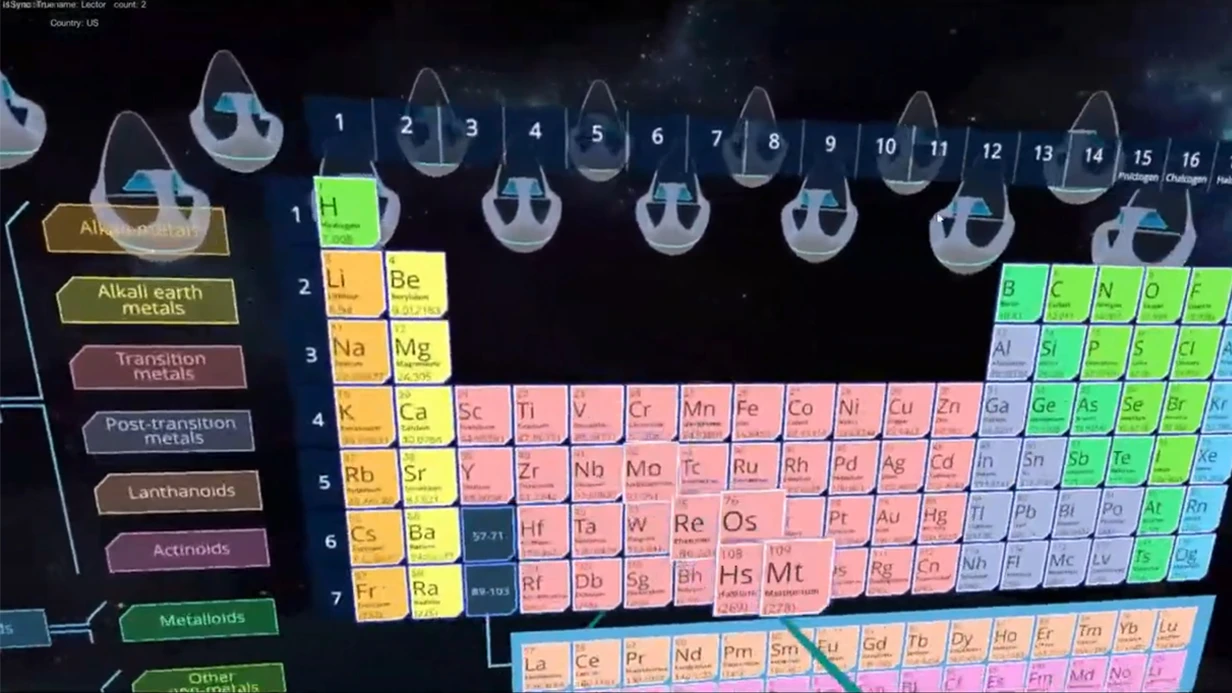


Organizing Virtual Exhibitions and Expositions: Why Do Visitors Leave?
A virtual exhibition opens, and hundreds or even thousands of visitors arrive. But within the first few minutes, a significant part of the audience loses its bearings: it is unclear where each booth is, how to get to the topic they need, or what to look at next.
Visitors wander through a maze of halls, do not get a quick answer to their request, and eventually leave without ever reaching the key exhibits. Organizers see the attendance statistics, but they do not understand why this happens and blame the format.
Each such departure is not just a lost view — it is a lead that never materialized. A person who leaves a virtual exhibition without making contact is unlikely to return on their own: they have already formed the impression that there is nothing to do here.
Audience retention drops, repeat visits do not develop, and the event budget does not deliver the expected result — neither in the form of inquiries nor in long-term client relationships. You lose not only today's visitors but also the future sales they could have brought.
The issue is not content and not technology. The problem is how the space inside the exposition is organized for business. When visitor routes are not thought through and booths are placed chaotically, even strong offers go unnoticed.
A visitor cannot quickly find what they came for and leaves for competitors who have taken care of navigation convenience. This is why organizing virtual exhibitions requires dedicated development — just like designing a sales office or a retail floor.
We close this gap. We design virtual exhibitions so that every visitor travels from the entrance to the right booth and the target action without losses or frustration. Below, we explain what such an exposition consists of and how it helps retain audiences.
What Digital Expositions Give Businesses: Five Results
Audience Reach Without Borders
A virtual exposition is accessible to anyone with a smartphone or computer and internet access. A company attracts visitors from other cities and countries who could not attend a physical event, multiplying its number of contacts.
The format also extends the life of an exhibition: access remains after the official closing, and reach continues to grow without additional investment.
Engagement and Time at the Booth
In a virtual space, a visitor does not simply look at a banner — they interact with the product: rotating it, opening details, watching videos.
The scenario holds attention several times longer than a static booth, which means information about the product is absorbed more deeply.
This kind of activity increases the likelihood of contacting the company after the exhibition.
Clear Analytics and Visitor Data
The organizer gets objective numbers: how many people entered the exposition, which booths proved most attractive, how much time each visitor spent on a specific product.
This data helps assess interest in the assortment, adjust the marketing strategy, and pass a list of potential clients to the sales department.
The decision about whom to contact after the event is made based on facts, not assumptions.
Image of an Innovative Company
A digital exposition shows that the business keeps pace with the times and uses advanced technologies. This strengthens the trust of partners and investors and also builds a modern brand image in the eyes of the audience.
A well-designed virtual format sets a company apart from competitors who limit themselves to traditional booths.
Return on Investment and Reusability
Developing a virtual exposition pays off by reducing costs for rent, logistics, printing, and business travel. The same venue can be used for multiple events, adding new booths and scenarios — this lowers the cost of each subsequent exhibition.
Thoughtful architecture makes it possible to quickly adapt the exposition to different tasks — from product presentations to industry forums.
Virtual Exhibition and Exposition Formats for Your Company’s Goals
The choice of a virtual exhibition format depends directly on the goal: collect inquiries, show a product in action, or simply raise brand awareness. The same equipment and content can serve different tasks — the key is to package the scenario correctly.
We have gathered the main formats companies use for virtual expositions and will help you determine which one will deliver the maximum result for your task.
Main Formats of Virtual Exhibitions
| Format | Who It Is For | What It Gives the Client |
|---|---|---|
| Virtual tour | Companies with showrooms, production facilities, offices | Shows the facility in detail without a visit — saves travel time and removes geographical barriers |
| Online gallery | Brands with a large portfolio of products or projects | Structures exhibits so visitors can find the right product on their own |
| Interactive exposition | B2B companies that need to show a complex product or process | The visitor controls the scenario themselves: opens details, watches animations, launches demos — the depth of immersion is greater than in a video |
| Virtual booth on a shared platform | Participants in industry exhibitions and conferences | Attracts attention to the booth before the event and keeps working after it ends |
| Interactive simulator | Manufacturers of machinery and equipment, training centers | Lets users “try the product” without a physical sample — no logistics or insurance needed, and leads come in warmer |
If the goal is collecting contacts and scheduling meetings, an interactive exposition with a clear B2B negotiation scenario works best. If you want maximum reach and viral effect, it is easier to start with a virtual tour that is easy to share via a link.
Whatever you choose, it is important that the format is backed by logic that guides the visitor from “saw it” to “got interested” and then to the target action. We select the format for your funnel, not the other way around.
How We Prepare a Project: From Brief to Stable Launch
A virtual exhibition is a project where both the result and predictability matter. We have structured the development process so that you understand at every stage what is happening, what is already done, and what comes next. Below is the typical path from the first conversation to a stable launch.
-
A short brief. We discuss goals, audience, and exposition format. Twenty to thirty minutes is enough to capture the essentials: how many exhibits, what scenarios are needed, and who will use it.
-
Plan and cost estimate. We define launch stages, timelines, and areas of responsibility. You receive a document with the scope of work — no hidden items or “surprises” in the middle of the project.
-
Layout approval. We create a prototype and visual concept of the halls. You see how the spaces and booths will look and make edits before production begins.
-
Production and assembly. We build the virtual locations, fill them with content, and connect navigation and interactive elements. At this stage, you receive intermediate versions for verification.
-
Testing. We run the scenarios on different devices, fix errors, and check stability under load. It is important that the exhibition works equally reliably for the first visitors and the hundredth.
-
Launch and post-launch support. We publish the project, help with visitor access, and stay in touch. If questions or refinements arise during the exhibition, we are on site.
What Is Included in the Delivery: A Complete Kit for Your Exposition
We specify the full scope of delivery in the contract so you know exactly what you receive at each stage. This is not just a “virtual scene” but a project ready for launch — with a script, interfaces, an admin panel, and training for your team.
- Exhibition script — a detailed visitor journey scenario through the exposition: from the entrance to key booths, with well-designed viewing and interaction points.
- Virtual exposition space — recreated halls, booths, products, or exhibits that visitors can view and interact with.
- Visitor and administrator interfaces — simple screens for entry, navigation, and event management: nothing extra, everything works on a desktop computer or in a headset.
- Admin panel for content updates — you can change descriptions, prices, photos, and announcements yourself through a convenient panel, without contacting developers. For the client, this saves time at every subsequent event.
- Administrator manual — a step-by-step illustrated guide: how to launch an exhibition, add a new exhibit, and export attendance statistics.
- Training session for your team — a joint first launch and review of all scenarios so the administrator can confidently work with the system from the very first event.
- Technical documentation and access rights — all project information, backups, and access credentials for your side.
This kit allows you to launch virtual exhibitions without a contractor: the entire workflow — from creation to reuse — remains in your hands. And if you need to change the exposition structure, the admin panel and manual will help you do it quickly and without extra costs.
Case Study: Digital Exposition for an Equipment Manufacturer
How We Built the Exposition
For a project with equipment manufacturer PromLine, we created a virtual exposition instead of a classic booth. Previously, visitors passed through in a couple of minutes: they looked at a sample, took a brochure — and moved on. Marketing needed to hold the visitor’s attention and let them truly study the product.
We built a digital space where every exhibit can be examined from all sides, “looked inside,” and seen working under real conditions. Visitors choose what to study themselves — this is not a catalog but an immersion.
Results That the Business Sees
The result exceeded expectations. The average time a visitor spent in the exposition grew from 2 to 14 minutes — a sevenfold increase. Each potential client had time to study three or four models instead of one, and managers gained more time to talk about the customer’s tasks.
For industrial marketing, this is a shift from “handing out brochures” to real engagement. The visitor is not flipping through a booklet but standing inside the product — it is memorable, builds trust, and increases the chances of repeat contact.
After the first event, the client returned with a request to expand the exposition to a new region. The platform now operates as a permanent sales tool: it is available to customers anywhere and requires no costs for rent or logistics.
How to Choose the Right Format for Your Task?
Choosing a virtual exposition format starts not with technology but with your business goal: what do you want to achieve in the end — show a product to a wide audience, hold negotiations with key partners, or engage visitors in an interactive experience?
This determines what the space will be like: a lightweight online showroom accessible from any device, or a full-fledged metaverse with zones for presentations, communication, and even training.
The main rule is that the format should match the scale of the event and visitor expectations, not the other way around.
The number of visitors and the event budget set the boundaries. For an intimate exhibition of 50–100 guests, a compact virtual exposition with several halls and a personal participant “avatar” is sufficient.
For a large event with thousands of users, you need a distributed architecture so that all visitors can move around, view materials, and communicate simultaneously without delays.
We offer several options and are transparent about where you can save money and where it is better to build in a reserve — so that the platform does not “go down” at the height of the opening.
The deeper goal also matters: do you want to collect contacts, deliver a presentation, or launch sales?
A dedicated scenario is created for each goal: for collecting requests — convenient forms and automatic notifications to managers; for presentations — virtual booths with videos and live demonstrations; for networking — meeting rooms and a meeting schedule.
We help you choose a configuration that delivers measurable results: number of contacts, views, requests, and repeat visits.
Choosing the right format saves budget and time: there is no need to rent physical space, print booths, or hire staff.
Instead, you get an exposition that works around the clock, is available to guests from different cities and countries, and automatically captures all visitor data.
We consult at the start, determine the optimal depth of the virtual space for your goals, and show how each investment converts into reach and audience engagement.
Come with a description of your task — the number of guests, an approximate budget, and the expected result — and we will propose a concrete virtual exposition format with a clear cost estimate. It takes one short call and saves you weeks of experimentation and unnecessary expenses.
Frequently Asked Questions from Clients About Digital Expositions
We have gathered the typical questions clients ask before starting a virtual exhibition. We answer directly, without unnecessary technical complexity — about timelines, guarantees, and the level of your involvement.
How long does development take?
The timeline depends on the scale of the exposition. A basic exhibition with 10–20 virtual booths takes 4–6 weeks; a project with custom logic and integrations can take up to 3 months. We fix the exact timeline in the contract before work begins and stick to it.
What guarantees an on-time launch?
We work according to a phased plan with checkpoints — you see results every week. If the timeline slips due to our fault, we compensate for the delay. The contract specifies our obligations and the project acceptance process.
Can the exhibition integrate with our CRM?
Yes, we provide integrations with popular CRM systems so that data about visitors and their interests is automatically added to your database. We configure this during the brief stage, and you know in advance which fields and events will be transferred.
Do we need to assign an employee to the project?
No, a contact manager on your side is enough — they provide materials, approve layouts, and accept project stages. All the technical work, from design to launch, is handled by us. You receive a turnkey exposition.
Tell Us About Your Task — We Will Prepare an Exposition Concept
We have already helped dozens of companies move their exhibitions into virtual space — from single booths to fully digital expositions with thousands of visitors.
Instead of lengthy approvals, you get a ready concept, a clear cost estimate, and a launch plan that accounts for your event timeline.
Leave a request for development — and on the first call we will clarify your goals, then prepare an exposition concept tailored to your audience. No abstract presentations: you will see the space structure, interaction scenarios, and the list of equipment needed for launch.
What you get after contacting us:
- Exposition concept: the visitor journey scenario and the logic of booth placement.
- Cost calculation: a transparent stage-by-stage estimate with no hidden payments.
- Launch plan: development, testing, and opening preparation stages.
- Load assessment: how many visitors the space can support simultaneously.
- Format recommendations: web version, mobile app, or VR headsets.
- Budget protection: we fix timelines and scope of work in the contract.
You do not need to understand technology — we handle the entire technical side. You get a working virtual exhibition that increases reach, reduces costs for rent and logistics, and remains accessible to guests after the event ends.
Tell us about your task — we will prepare a concept, calculate the cost, and propose a launch plan. Just leave a request, and within two business days you will receive the first solution options.