



Is your museum losing visitors? Solutions for museums and culture
Visitors are tired of static display cases and long tours where everything is recited "from a script." They come for emotion, but get only facts. As a result, the average guest spends less time in the museum and rarely returns.
Young people have long lived in interactive formats, and if a museum doesn't offer a new experience, it loses the competition for leisure time — to cinemas, escape rooms, and streaming services. This affects attendance and the institution's reputation. The museum stops being a "must-see" and falls out of the city's cultural agenda.
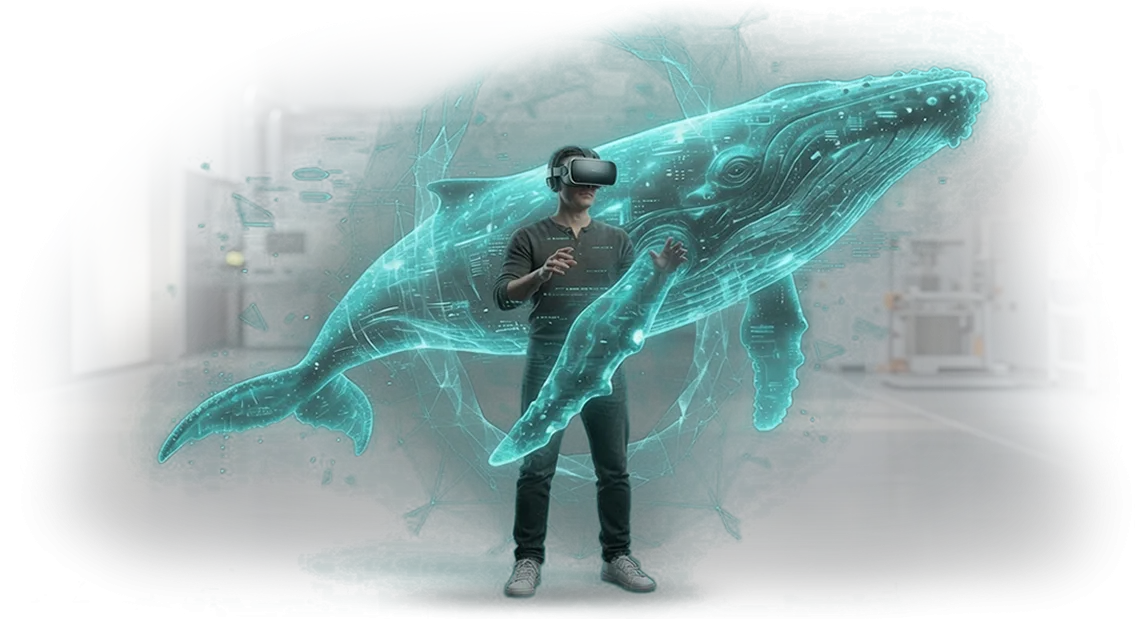
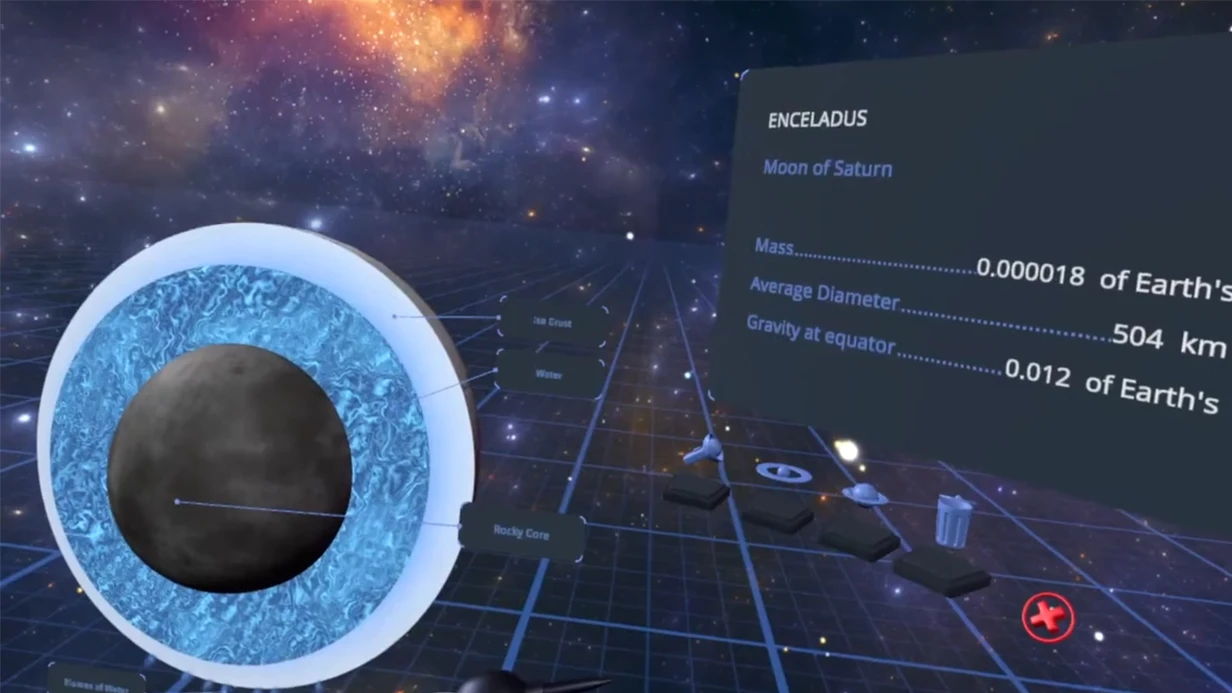
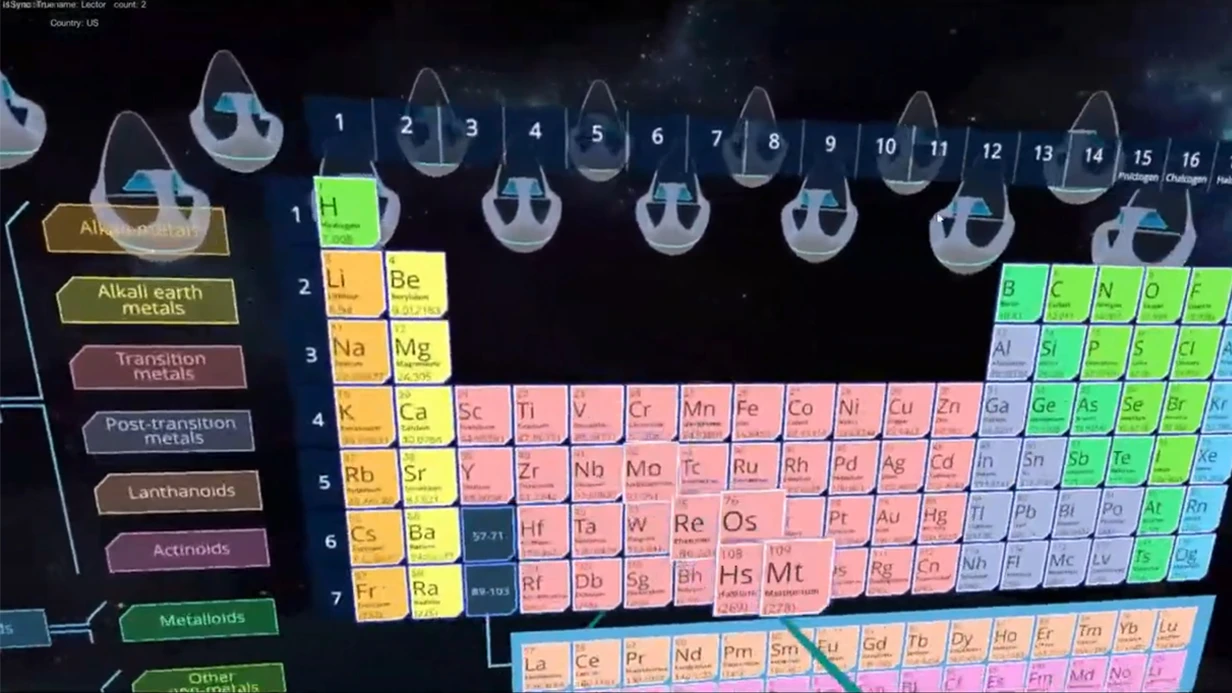
VR for museums solves exactly this problem. The visitor doesn't look at a static exhibit but steps inside an era: walking through the halls of a reconstructed palace, passing through a medieval craftsman's workshop, or seeing an ancient city from above. A living experience holds attention and turns a one-time tour into a story worth sharing.
Such interactive zones are easy to integrate into a permanent exhibition or make a standalone attraction. A VR solution drives visitor engagement: people come for a new experience, take photos, and recommend the museum to friends.
A single VR hall can welcome hundreds of guests a day, and the scenario doesn't require a tour guide to repeat the same lecture over and over.
Digitalization of museums is no longer a trendy fad — it's a way to stay relevant in the eyes of a new generation. We develop turnkey VR solutions for museums and culture: from scenario to installation and technical support.
Tell us about your exhibition — we'll propose a format that attracts visitors and surprises even regular guests.
What you get from a VR application for your space
A VR application turns your space into a talked-about point of attraction. Visitors come not just to "see exhibits" but to experience something new — and it is this experience that brings them back and draws new guests through recommendations.
The first benefit — increased attendance. A VR attraction or interactive exhibition becomes a separate reason to visit: people plan a trip for "that very" experience rather than a traditional tour.
For a museum, this means direct ticket sales; for a cultural center — filled halls on weekdays and statistics that grow without additional advertising spend.
The second — deep engagement. On average, a visitor stays at a VR station several times longer than at a static stand, and returns to it again.
Immersion in the story and the ability to "touch" history with your hands turn a passive viewer into an active participant — meaning your project is remembered, discussed, and shared with friends.
The third — brand recognition. An unusual format becomes news in itself: guests take photos, shoot videos, and share them on social media, tagging your space. Each such post is free recommendation for an audience that is hard to reach with regular advertising. Media and city community interest is also easier to gain when there's a vivid story.
The fourth — collecting contacts and leads. During or after a VR session, visitors willingly leave their details to get photos, access to additional content, or event announcements.
This lets you build a database for newsletters and repeat sales — tickets, souvenirs, tours, and space rentals.
Finally, there's the image advantage. A museum that uses modern technology is perceived as progressive and open to diverse audiences — from schoolchildren to foreign tourists. This makes it easier to negotiate partnerships, grants, and cooperation with city projects.
You get not just a program but a tool that strengthens all key metrics of your space — from attendance to loyalty. We handle turnkey development and customization for your exhibition.
VR development formats for museums and culture
Today's museum visitor expects more than just display cases and labels. They need an experience: the chance to touch history, see lost interiors, and be inside an event.
Depending on the goal — attracting a new audience, increasing dwell time, or creating a news hook — we offer different VR development formats. To help you choose, we've compiled them into a comparison table.
Comparison of VR development formats
| Format | Target audience | What it gives the client |
|---|---|---|
| VR tour | Individual visitors, families, school groups | Full immersion in an era or place that is physically inaccessible; increases dwell time and depth of impression |
| VR installation | General public, festival and exhibition attendees | A bright point of attraction: creates a queue, provides striking shots for social media, and boosts museum recognition |
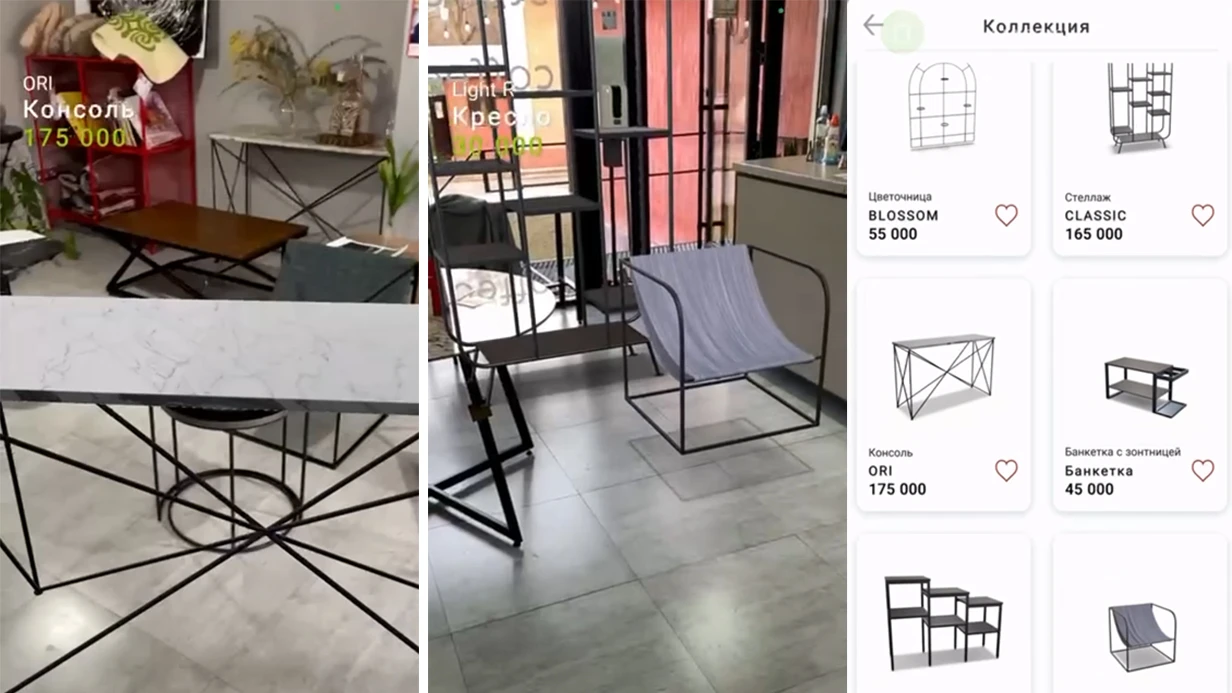
| Mixed reality for museums | Visitors with smartphones and tablets | "Reviving" exhibits right in the hall: digital layers are overlaid on real objects without special equipment |
Which format to choose
The choice depends on the goal. If you want to quickly grab attention and gather an audience, go with a VR installation. If it's important to reveal the exhibition more deeply and give visitors unique impressions, a VR tour fits. And mixed reality helps retain a young audience accustomed to interactivity.
We help you choose a format for your goals and budget, develop the project turnkey, and support it after launch. As a result, you get not just technology but a tool that works for the museum's recognition, attendance, and reputation.
How the project process works
Predictability matters for museums and cultural projects. We structure our work so you see results at every stage and understand what you'll get in the end. The process is divided into clear steps — from the first meeting to post-launch support. This saves your time and reduces risk: you always know where the project stands.
Stages of work
- Brief: you tell us about the task — exhibition, audience, goals. We clarify the details and propose a VR solution format that fits you specifically.
- Concept: we prepare a script and visual style that fits your museum's atmosphere. You get a clear picture of the future product before development begins.
- Approval: we discuss details and fine-tune revisions. The approved concept is locked in to avoid surprises during production.
- Development: we build the application on professional equipment, taking into account the specifics of cultural projects. You receive a stable version for testing.
- Testing: we test on real use cases — accounting for visitor flow and exhibition specifics. This prevents failures on opening day.
- Launch: we install the application on your devices (for example, Pico) and train your staff. Everything works without a technical specialist.
- Support: we stay in touch after launch — updates, consultations, refinements as the exhibition evolves.
What's included in delivery and support
You receive a complete turnkey VR project — without needing to dive into the technical side. We configure the equipment, load content, and hand over a solution your team can use from day one. You focus on visitors; we handle everything else.
What's included in the delivery:
- A ready-to-use VR application adapted to your exhibition and configured for Pico headsets.
- A full content package: detailed 3D models of exhibits, historical reconstructions, audio guides, and video materials.
- A control panel for updating materials yourself — you can change descriptions, add new objects, and adjust the scenario without involving developers.
- Clear documentation: instructions for startup, daily use, and handling common situations.
- Staff training: a hands-on session for floor staff, tour guides, and administrators.
- A license to use the application and all included materials at your institution.
- Technical support: specialists available for consultations and quick issue resolution.
- Stable updates: we monitor system performance and take into account feedback from your visitors.
Support doesn't end at launch. You can reach out to us for a consultation, ask to adapt a scenario for a temporary exhibition, or expand functionality for a new hall. We stay close so the VR zone runs smoothly and strengthens the experience of your space.
Case study: how VR attracted new visitors
Challenge
A regional museum was looking for a way to win back visitor attention. Ordinary display cases and stands lost interest halfway through the exhibition — people rushed through in 20–25 minutes and left.
In parallel, the museum wanted to attract the 18–35 audience, which rarely comes without "event-driven" reasons.
We proposed a VR case: not to replace exhibits, but to add immersion.
We created a 20-minute VR tour on Pico headsets, where the visitor "walks" through the streets of a past century, discovers hidden details of daily life, and returns with the feeling "I saw this with my own eyes." Within six weeks, the project was launched as a standalone ticket and included in family routes.
Project results
After three months, the average visit duration grew from 25 to 70 minutes. Attendance increased by a third — an additional 12,000 guests, almost half of them first-timers. The share of repeat visits tripled: people returned with friends and colleagues.
During the campaign, VR sessions were held more than 4,500 times, and mentions of the museum on social media grew by 60%. Most importantly, the project didn't work as a one-time entertainment: 38% of guests came back.
For the museum, this is sustainable attendance without advertising costs: the interesting format generated word-of-mouth on its own.
How to choose the right format for your space?
Choosing a VR format for a museum, gallery, or cultural center starts with a question: what exactly do you want to change for your guests? A stationary VR zone draws visitors into a separate hall and becomes a separate item in the ticketing program.
A mobile kit with standalone headsets guides guests through the entire exhibition without tying them to one point. An interactive format works when you need to hold attention, amaze teenagers, or create a vivid memory they'll want to repeat.
For a space with a constant visitor flow, a modular station with several headsets fits well: it easily integrates into the museum's logistics and lets you adjust session length.
If your venue is a courtyard, park, or several remote halls, a portable option will enliven the route and show objects that can't be physically changed: restored interiors, hidden details, or rare documents. This approach makes the tour richer without renovation or reconfiguration costs.
Our specialists select a format for your goals already at the brief stage. We take into account the area, visitor flow, audience age, and exhibition specifics to propose a solution that boosts interest and attendance rather than just impressing at a presentation.
Drawing on completed projects for museums and cultural spaces, we offer proven scenarios and adapt them to your story.
A properly chosen format delivers measurable benefits: guests spend more time at the exhibition, return for a new experience, and leave mentions on social media, expanding organic reach. We deliver the project turnkey — from idea to launch and ongoing support.
We work with professional Pico equipment, which provides consistently high image quality and convenience for visitors.
The takeaway is simple: choose VR for your specific goal — that way you'll get the expected result and won't overpay. Contact us, and we'll help you find the optimal format for your space, answer all your questions, and prepare a solution within your budget.
Frequently asked questions about VR application development
Doubts before ordering a VR project are normal. An unfamiliar technology seems complex: it's unclear what it costs, how to integrate it into an exhibition, and whether the equipment will become obsolete tomorrow.
We've worked with museums and cultural venues for years, so we've gathered answers to the most common questions. If you don't find yours, just write to us — we'll help.
How much does it cost to develop a VR application for a museum?
The cost depends on the format and goals. A 5-minute entertainment attraction and a 30-minute educational tour are different scopes of work.
But in any case, it's a single payment for a ready solution: you don't pay for "developer hours"; you get a turnkey result. We provide the final cost estimate after a short brief.
How long does it take to create a VR project?
A typical museum project takes 4–8 weeks. The timeline depends on content complexity: locations, number of scenes, and 3D model detail.
We have a well-established process: brief → concept approval → development → testing → launch. You control every stage, so you get exactly what you expected, within the agreed timeframe.
What equipment do I need to buy for VR to work?
We select headsets for your goals and budget — from standalone models that don't require a powerful computer to professional systems for large spaces.
We handle procurement, setup, and staff training. You don't need to understand the tech — just accept the ready zone and let visitors in.
Will the application become outdated in a couple of years?
We build projects with future-proofing in mind: we use professional equipment with up-to-date updates and create content that can easily be expanded with new scenes.
We transfer the project to new headsets when needed, so museum VR lasts a long time without quality loss and pays off.
Ready to create a VR application for your space?
You already know how a VR application brings exhibitions to life and holds visitors' attention. One step remains — discuss your task and turn the idea into a working project that delivers measurable results.
Leave a request for a consultation — and we'll prepare a proposal for your specific space and goals. When you contact us, you get:
- an audit of your current exhibition and visitor interaction scenarios;
- a prototype of the VR space before the main development begins;
- a launch plan that accounts for the specifics of the museum or cultural venue;
- technical support and training for your team;
- a guarantee on the result and support after project delivery.
From there it's simple: we clarify the goals, show examples, and calculate timelines. You see what the project will look like and make a risk-free decision — without hidden conditions or lengthy approvals.
To place an order, write to us on Telegram or WhatsApp, or call the number on the website. You can also submit a request through the contact form — we'll reply within one business day.
We'll start with a short conversation about your goals — that's enough to understand which VR solution fits your space. After the brief, we'll prepare a strategy and show how the technology will attract new guests and enhance the exhibition experience.