



Tourism and Hospitality: Why Guests Expect VR Attractions?
Guests who are used to ordering a taxi in one click and choosing a hotel by video expect the same level of experience on site.
According to Booking.com surveys, travelers are increasingly choosing accommodation not by room size, but by the emotions they can experience and share on social media. A standard pool and breakfast no longer impress — they need a reason to tell friends about the hotel.
If your competitor already offers a virtual tour of the surroundings or a VR attraction in the lobby, guests will choose them even before comparing prices. Falling behind here is unnoticeable in daily reports but clearly visible in booking trends and reviews. Technology has become part of customer expectations, not just a “gimmick” for geeks.
VR in tourism is not a toy but a tool that increases average check and occupancy. A guest can “walk through” a future room before checking in, see the hotel from a bird’s-eye view, or take a virtual city tour without leaving the lobby.
For a hotel, it is a way to keep guests occupied during waiting hours, sell additional services, and collect contacts for return visits.
When a VR zone works properly, it creates a “wow” effect that guests talk about on their own. This means free social media reach, greater brand recognition, and direct monetization: per session, as an add-on to accommodation, or as a gift for returning guests. You gain a competitive advantage that is hard to copy quickly.
We create turnkey VR solutions for hotels and tourism facilities: from scenario concept to launch and support. We understand the specifics of hospitality, so we deliver not just technology but a service that pays off. Tell us about your task — we’ll show you where VR can deliver results within the first month.
What Benefits Do VR Solutions Bring to Hotels and Travel Agencies?
Guests are tired of choosing hotels based on flat photos that hide drawbacks and distort reality. A virtual tour on Pico headsets lets them “enter” a room, look around, and feel the atmosphere before booking.
This level of clarity removes doubts — the travel agency receives more confirmed requests, and the hotel reduces cancellations and refunds.
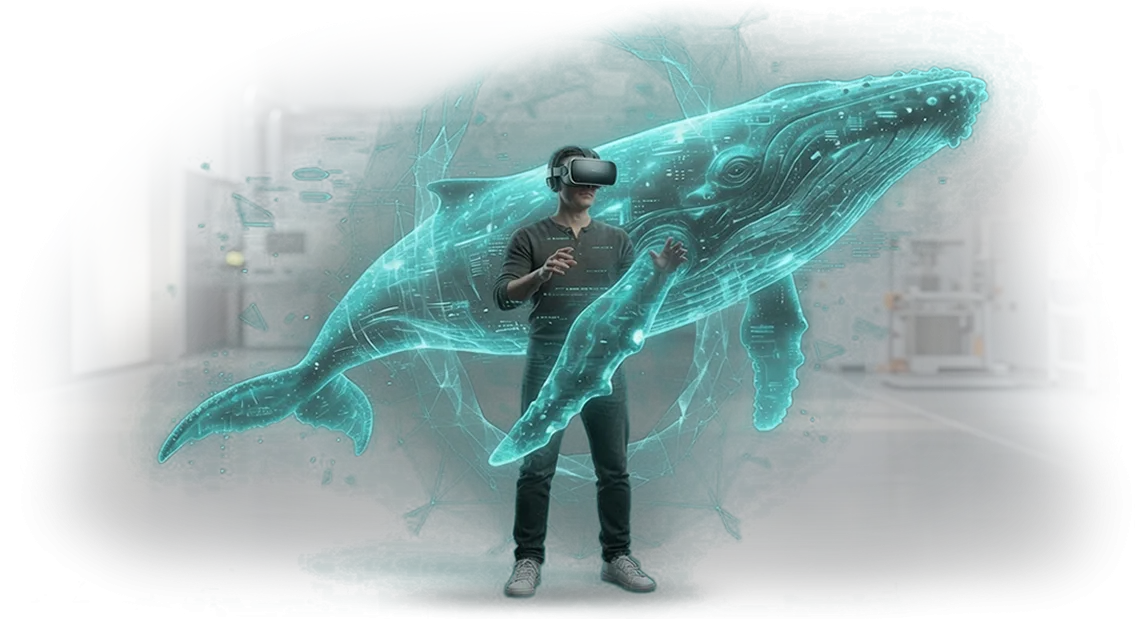
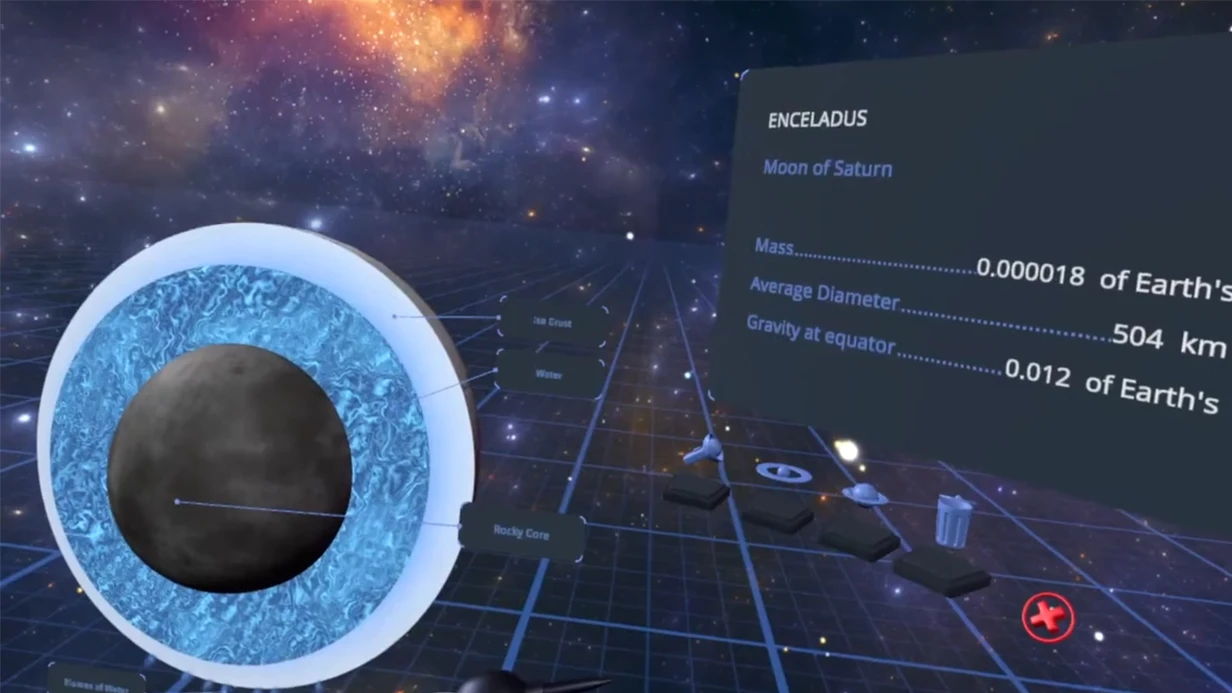
Once a guest has checked in, VR continues to work on the experience. Instead of a boring evening in the room, they embark on a virtual journey to local landmarks, dive to the seabed, or stroll through an ancient castle.
Strong emotions hold attention, raise overall service ratings, and motivate guests to extend their stay, order additional services, or return for the next vacation.
From a marketing perspective, a VR zone is a magnet for guests and a free advertising channel. People film what they see in the headset, post videos on social media, and tag the hotel’s location.
Each such post is seen by hundreds of potential customers — brand awareness grows while advertising costs stay the same. Tourists keep talking about the experience for another week, so the effect of a single event does not end on the day of checkout.
To ensure everything works without glitches, we handle the technical side: professional headsets, precise motion tracking calibration, and smooth scene rendering.
Guests do not get distracted by “lag” or think about how to control anything — they simply immerse themselves in the story. Over 10 years, we have completed dozens of projects for tourism and urban spaces, so we know how to turn technology into a sustainable business result.
VR Formats for Tourism and Hospitality: What to Choose Based on Your Task
In tourism and hospitality, guests choose “with their eyes”: photos and descriptions cannot convey the atmosphere of a room or grounds. A VR tour lets guests “walk through” a property before booking — this removes doubts and increases request conversion.
Guests do not read long texts; they need a visual experience. We work with professional Pico equipment, so the result is predictable at any location — from a city hotel to a countryside resort.
Each format solves a specific business task. To avoid overpaying and still get the effect, just check the cheat sheet below. The table shows typical scenarios for hotels, museums, and developers.
| Format | For whom | What it gives the client |
|---|---|---|
| VR tour | Hotels, health resorts, tour operators | The guest “walks through” the room and grounds before booking — fewer doubts, higher request conversion. |
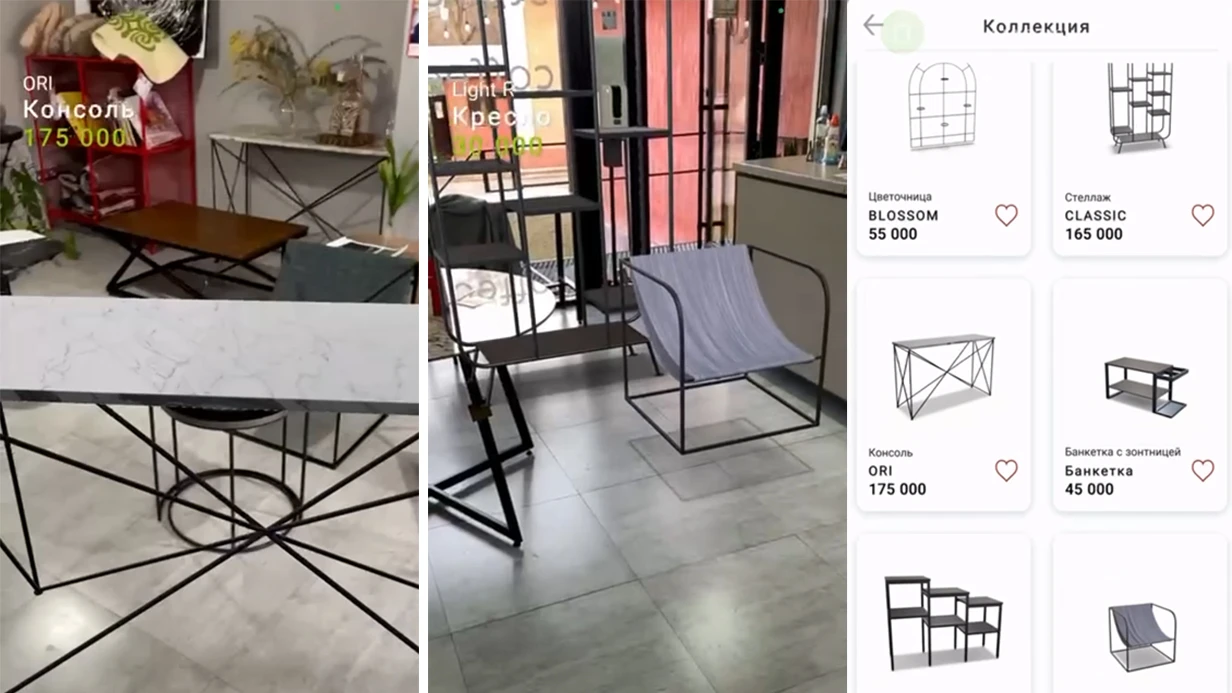
| AR navigation | Resorts, museums, parks, exhibitions | The guest navigates using hints overlaid on reality — stays longer in the space and reaches key points. |
| MR presentation | Developers, investors, restaurants before opening | A visual preview of a future project on the actual site — faster approvals and sales. |
Formats can be combined: AR navigation around the hotel grounds plus a VR tour of the suite, or an MR presentation of a future restaurant for investors. We will select a solution for your task, evaluate guest scenarios, and propose realistic launch timelines. Just describe your property — we’ll handle the rest.
How the Project Works: From Brief to VR Attraction Launch
Any project in tourism and hospitality starts with questions: when will the result be ready, who is responsible for what, and how to know everything was done right.
We have structured the process so that you have clear checkpoints at every stage — from the initial brief to the VR attraction launch and its ongoing support.
- Brief and task immersion. We study your location, target audience, and task: attract more guests, showcase a property, or add entertainment. The output is a clear technical specification and realistic timelines.
- Concept and scenario. We propose a scenario that turns a visitor into a participant: a sightseeing tour, a quest, or an interactive introduction to the hotel. You approve key decisions before development starts.
- Prototype and design. We create the visual style, interface, and interaction logic. You see what the result will look like and can make edits before the core logic is written.
- Development and testing. We build the application, optimize it for the chosen platform (including popular Pico models), and test it on real hardware. This guarantees stable performance on launch day — no freezes or “blind” zones.
- Approval and acceptance. You test the finished product, give feedback, and we refine it to perfection. After final approval, we sign the acceptance certificate — you officially accept the work.
- Launch and support. We help with installation, train your staff, and set up remote control if needed. We connect service support and updates so the VR attraction works reliably for a long time.
This approach provides one key advantage: you are not waiting for a result “blindly” — you control every stage. In the end, you get a ready-to-use VR attraction that benefits your business from day one: attracts guests, increases brand awareness, and pays back the investment.
What’s Included in the Delivery: VR Launch Kit
A complete delivery package is not just a “box of equipment.” You get a turnkey solution: from a virtual tour to a trained team ready to launch it on the day of installation.
The components are selected for tourism and hospitality needs — durability under heavy use and minimal staff involvement.
- VR equipment — professional headsets, controllers, and protective accessories designed for daily use in public spaces and safe for guests.
- Software — an application customized for your property: a virtual tour, attraction, or training scenario. Content is adapted to the audience.
- Installation and setup — we deliver, install, and test the system on site. Everything is ready to go by opening time.
- Staff training — a short training session for employees: how to welcome guests, help them put on the headset, manage the flow, and handle typical situations.
- Methodological materials — instructions, cheat sheets, and checklists so daily maintenance happens without the developer’s involvement.
- Warranty and technical support — an official warranty on equipment and software, plus support for the entire service life. If anything needs adjustment, we are available.
The complete package covers all stages — from delivery to daily operation. You get a working tool for attracting guests, not a set of parts for DIY assembly.
Case Study: VR Tour Increased Excursion Bookings
A tour operator, Stary Gorod Tour, faced a 20% drop in excursion bookings a month before high season. Potential tourists browsed the website but could not understand what they would see on the route, so they chose competitors with more visual offers.
We proposed a solution — a VR tour on Pico headsets at points of sale and at the partner hotel’s reception desk.
In 5 minutes, a person goes through a mini version of the route: hears the guide’s story, sees key views, and feels the atmosphere.
This removes the main objection: “I don’t understand what I’m paying for.” The pilot was launched on two websites, but live demonstrations delivered the main effect: tourists immediately moved to booking without leaving to think it over.
Implementation Results
Bookings grew by 38% over the season, and the share of purchases after VR demos reached 55%. The average check increased by 12% — guests added private excursions and souvenirs.
Guides reported that the number of “what will we see?” questions dropped threefold, and consultations became 20 minutes shorter.
The case confirmed: VR works not as entertainment but as a sales tool. The client recouped the project within a week of the season and ordered a second VR tour for a countryside route.
The company now uses VR headsets not only for sales but also for training new guides — beginners go out on the route already knowing the locations.
How to Choose a VR Format for Your Business Specifics?
The direct answer: choosing VR in tourism and hospitality starts not with technology but with your business model. A hotel that wants to stand out from competitors and a museum solving the problem of vandalism and visitor fatigue need different formats. So before making a purchase, we ask questions about traffic, usage scenarios, and target metrics.
The specifics of your business determine the type of immersion. If a hotel’s main barrier is “the room can’t be seen in advance,” a VR tour of the apartments helps: bookings grow through trust.
A high-traffic restaurant fits a short immersive video that creates appetite in a minute and increases the average check. A tour operator benefits from placing a VR kiosk in the office — the client “walks along the beach” long before buying a package.
Choosing a format comes down to three points: where the VR will be placed, how many people per day it must serve, and what result you will measure (new bookings, return visits, social media mentions).
During a consultation, we help you fill in these parameters, show examples from your industry, and provide a recommendation on the device type and scenario.
We have already been through the VR selection process for hotels, museums, spas, and travel agencies. Leave a request or come for a demonstration — in 40 minutes we’ll analyze your task and suggest a format that will pay off in the first season.
Frequently Asked Questions About Implementing VR in Tourism
Before implementing VR in a hotel or tourist center, clients ask the same questions: is it safe for guests, who will maintain the equipment, and won’t technology discourage real travel. We answer the main objections so you can make decisions based on facts, not assumptions.
Is the VR space safe for visitors?
Yes. We design VR zones so that a guest cannot get injured even in an unfamiliar environment: a play area is defined, the system visually warns about space boundaries, and the guest sees a short instruction before the session.
Lightweight modes are selected for children and people with a sensitive vestibular system, and content is approved by you.
How is hygiene handled?
After each guest, the equipment is cleaned: replaceable silicone masks, antibacterial wipes, and protective covers. Staff training takes one day, and between sessions upkeep takes just a couple of minutes.
Who will maintain the equipment?
We do not abandon the project after launch. Support includes remote equipment monitoring, scheduled maintenance, and replacement of consumables. Your team only needs to start a session following the instructions — we handle the rest.
Won’t VR replace real travel?
No, VR works to sell real tours. A guest “tries on” a hotel or excursion, gets a vivid impression, and is more willing to take the desired action — booking or calling a manager. In our projects, such zones noticeably increase interest in destinations.
How long does launch take?
From brief to a working VR zone usually takes 3–6 weeks. We select scenarios for your directions, configure equipment, train staff, and hand over a turnkey package — the first guests can use VR on launch day.
Order a VR Solution and Gain a Competitive Advantage
In tourism and hospitality, competitive advantage today is decided by experiences. Guests choose places where they can do more than just look — they can become participants: immerse themselves in a story, see a hotel before booking, and glimpse inaccessible locations. We help businesses create such experiences with professional turnkey VR solutions.
When you order application development from us, you get the full cycle of work — from idea to launch and support. The process is transparent and takes as much time as your business needs, not the other way around. Here’s how the start looks:
- A consultation with a VR engineer and analyst — we’ll discuss your task, guest profile, and points where the solution can be applied.
- Scenario calculation, format selection (virtual tour, attraction, presentation), and suitable equipment.
- Design and development of an application tailored to your brand and tasks, taking into account the specifics of the location.
- A test run with a focus group or real visitors, feedback collection, and refinement.
- Launch, training for your team, equipment setup, and technical support.
- Support and updates so the solution stays relevant and impressive for new guests.
We work remotely, so we can start a project anywhere — from a large city to a resort town. Leave a request, and we will consult you, suggest the right format, and show case studies from your industry. Start right now — the next season could be your time for new guests and return visits.