



Why Traditional Education Is Losing Students' Attention — and How VR/AR Is Changing That
Today's students grow up in a digital environment where information is presented vividly, interactively, and instantly.
Against this backdrop, traditional lectures, textbooks, and static presentations are increasingly perceived as an outdated format: attention drifts after 10–15 minutes, and motivation to study independently declines.
It's not about laziness or a lack of discipline — the way knowledge is perceived has changed. Young people are used to being inside the process, not observing from the outside, so abstract diagrams and long teacher monologues lose to interactive formats.
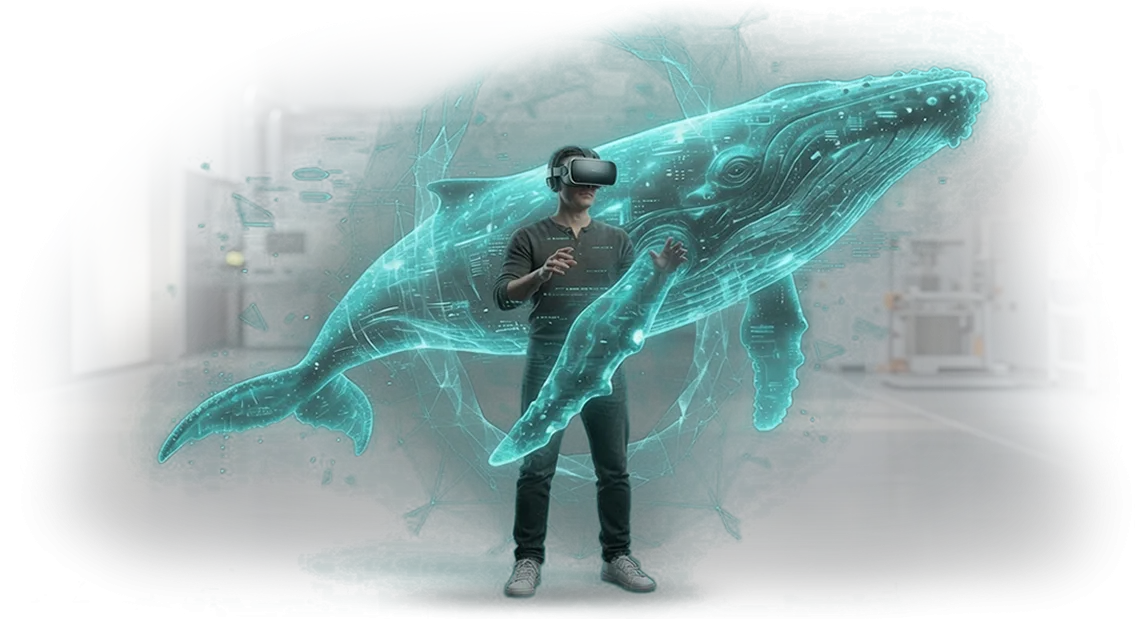
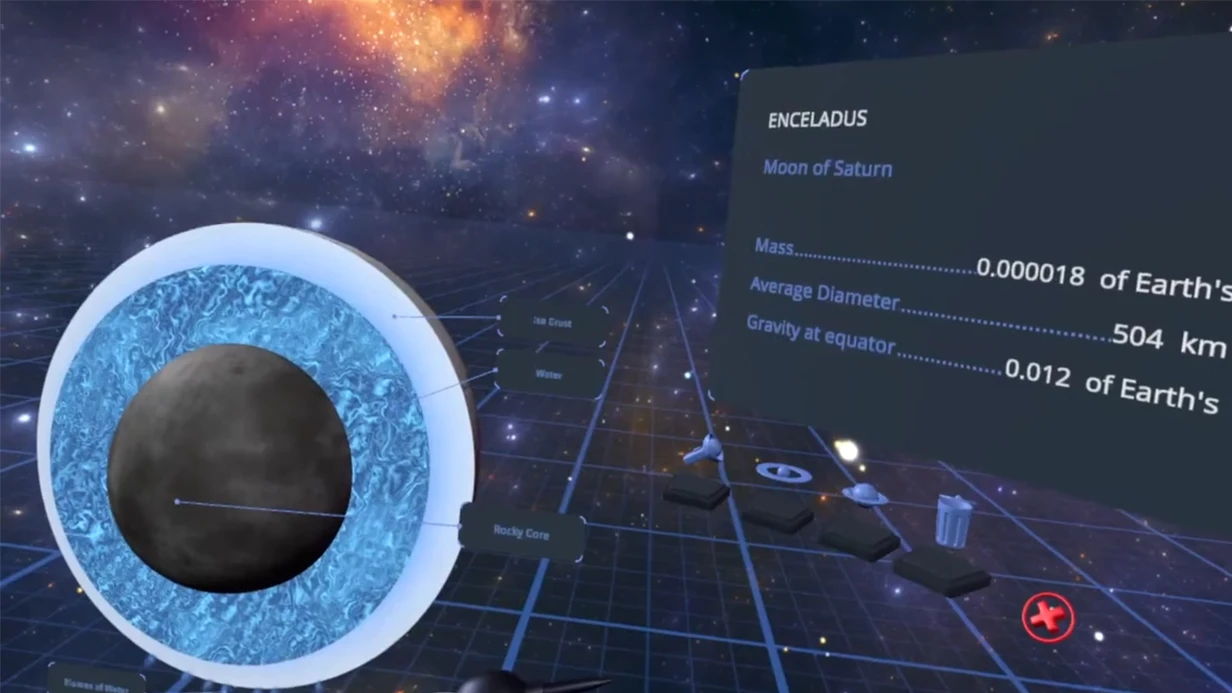
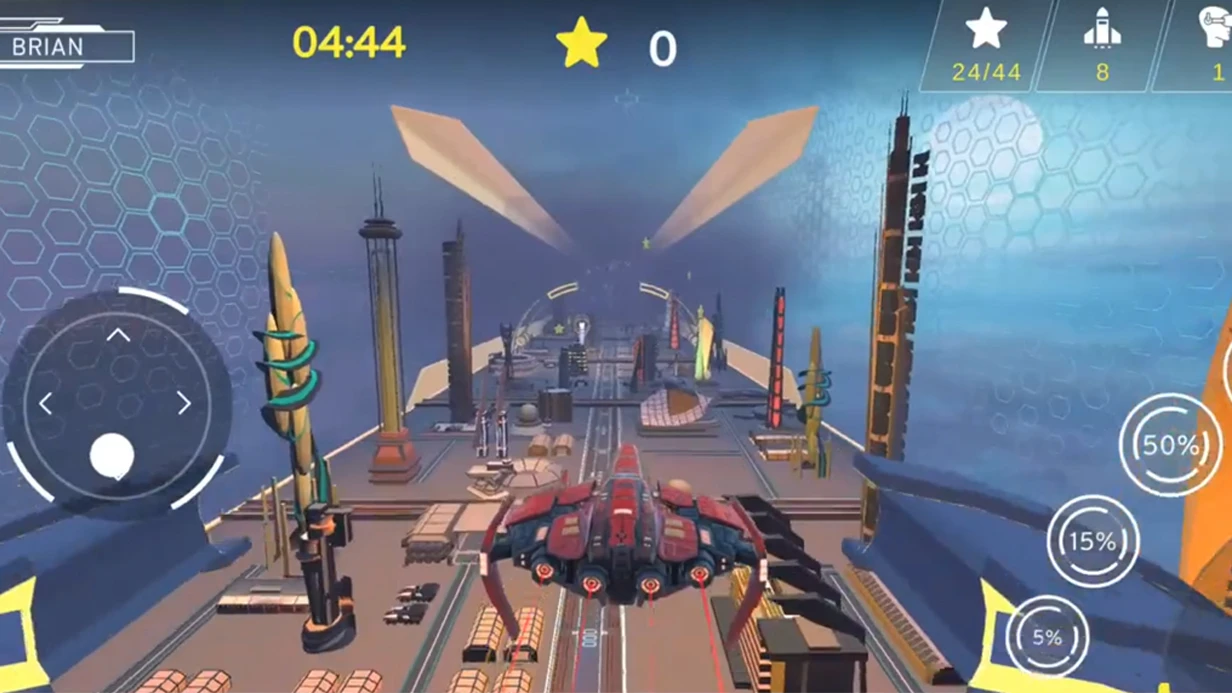
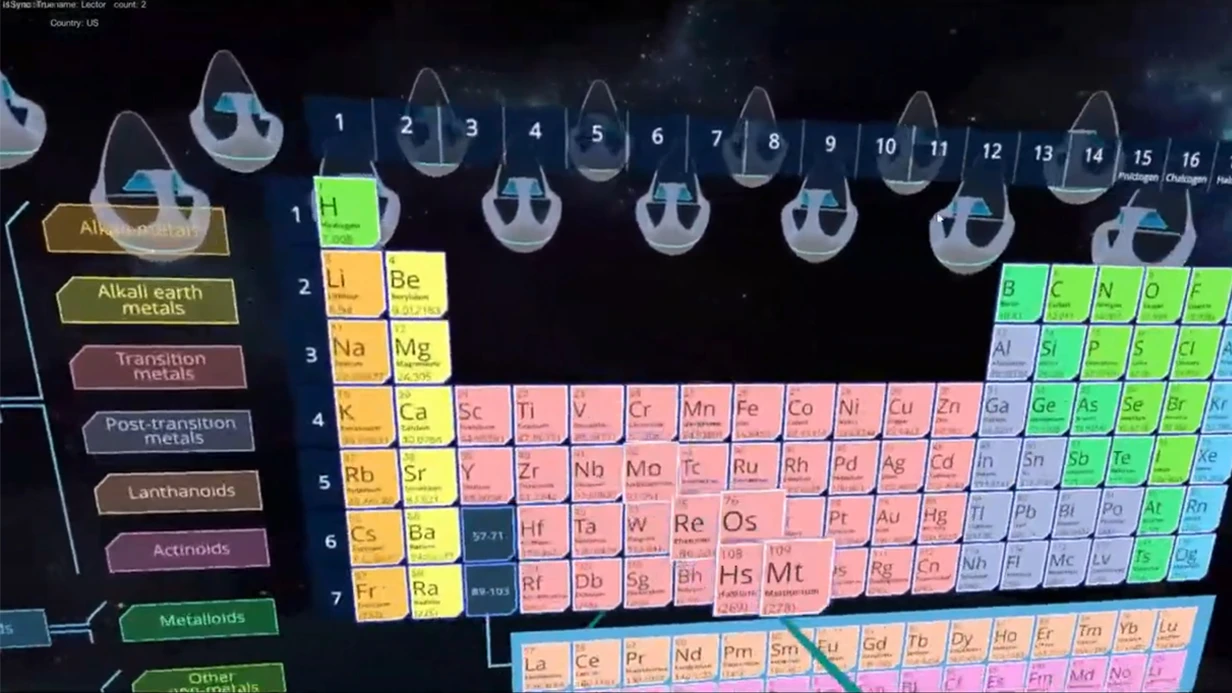
Virtual reality in learning brings back emotional engagement: the student doesn't just read about a process but sees it from the inside, can interact with objects, and make mistakes without consequences.
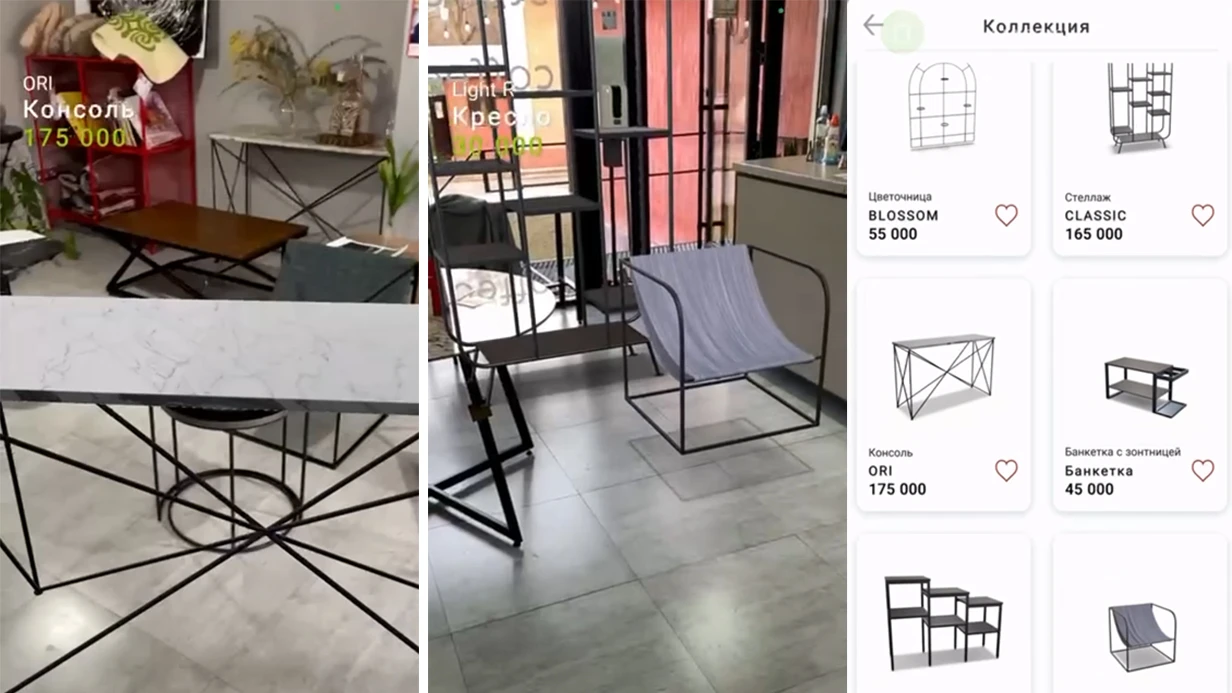
AR solutions add another layer of value — they bring virtual models into real space and allow theory to be combined with practice right in the classroom or laboratory. This approach makes learning visual, safe, and memorable.
Modern VR/AR-based teaching methods help maintain attention throughout the entire lesson, improve comprehension of complex material, and create a positive image of the educational institution among students.
For education businesses, this is not just a trend but a measurable result: higher student engagement, better certification indicators, a stronger institutional brand, and more arguments for prospective students.
We help implement VR/AR solutions that work toward your goals — from individual modules to comprehensive programs that improve the quality and appeal of learning.
What Implementing VR/AR in the Learning Process Delivers: 5 Key Outcomes
Implementing VR/AR in the learning process is not a passing fad but a tool that delivers measurable results within the first few months. Immersive interactive learning changes students' attitude toward the subject and gives the educational institution five key advantages.
The first outcome is increased interest and motivation. When, instead of static illustrations, a student becomes a participant in a historical event or examines a three-dimensional model of the heart, studying turns into a fascinating exploration.
This format increases attendance and audience engagement: students ask questions themselves and dive deeper into the topic.
The second outcome is improved academic performance through visual clarity. Virtual reality lets you see processes that cannot be shown on a blackboard or in a textbook: from the operation of a nuclear reactor to the movements of the human body.
Complex topics are absorbed faster, and test and exam results improve — this confirms the effectiveness of implementation.
The third outcome is safe and cost-effective skill practice. Medical students perform virtual surgeries without risking a patient, engineers train on expensive equipment without breakdowns, chemists conduct dangerous experiments without threatening the laboratory. Interactive learning provides hands-on experience without material costs or injuries.
The fourth outcome is the development of independence and flexible thinking. In a virtual environment, there are no ready-made algorithms: the student makes decisions, experiments, and sees the consequences of their actions.
These are exactly the competencies employers call key when hiring, which is why graduates from universities with VR programs are valued higher.
The fifth outcome is increased competitiveness of the educational institution. Modern equipment and innovative teaching methods are a strong argument for prospective students and their parents.
Implementing VR/AR raises the university's prestige, attracts talented students, and strengthens its position in rankings.
VR/AR Solution Formats for Education: Choose the Right One for Your Objective
For an education system to work effectively, it is important to choose the right format: schoolchildren need lively engagement, students need safe practice, and corporate training needs skill practice without disrupting production.
That is why we develop VR/AR solutions on Unity — it allows us to create different formats on a single technology base for your task and budget.
Below are the main formats we implement in schools, universities, and training centers. The table shows who each one is for and what benefit the client gets.
| Format | For Whom | What It Gives the Client |
|---|---|---|
| Virtual laboratories | Universities and colleges | Safe chemistry, physics, and biology experiments without purchasing reagents and equipment, up to 100 students per session |
| AR textbooks and posters | Schools and methodological centers | Interactive illustrations on a smartphone — increase class engagement and material retention |
| VR simulators for skill practice | Corporate training centers | Practice actions in standard and emergency situations without risk, downtime, or material consumption |
| Virtual excursions | Museums, schools, universities | Access to sites that cannot be visited physically — expands the reach of in-person and distance programs |
If you need to engage schoolchildren and improve retention, choose AR textbooks. For practical university classes without expensive laboratories, choose virtual laboratories. For staff training, choose VR simulators. Every format scales and integrates into an existing curriculum.
Submit a request on our website — we will send you examples of projects in your field and help you choose a format for your specific goals and number of students.
How We Create a VR/AR Application for Your Educational Institution: 6 Steps
We have structured the development process so that everything is clear to the client from day one: no technical details, but with clear deadlines, checkpoints, and expected results at every stage.
You always know what is happening with the project, what decisions are being made and why — from the first brief to launch and support.
-
Brief and immersion. First, we study your educational objectives: for which course and audience the application is being created, and what skills students should gain.
You fill out a short questionnaire, and we ask clarifying questions — this is the foundation of the entire project.
-
Concept and scenario. We propose the VR or AR format, the structure of the lesson, and the interaction logic. We define what the student sees, does, and how this helps achieve the learning goal. You receive a clear description rather than technical jargon.
-
Project approval. We agree on timelines, scope of work, team composition, and cost. We sign a transparent contract with fixed stages and acceptance criteria. We also approve the communication plan here — how often and in what format you receive reports.
-
Development with intermediate demos. We work iteratively: after each block, we show a working result — a screen, a scene, or an individual scenario. You make edits right away while it is cheap and quick, rather than after the entire project is delivered.
-
Testing and launch. We conduct a pilot lesson with your students and instructors: we check usability, technical stability, and achievement of learning goals. We set up the necessary equipment and help integrate it into the schedule.
-
Support and development. We train instructors to work with the application and provide instructions. Within the warranty period, we fix any issues, and afterwards we help update content and add new scenarios when the curriculum changes.
What's Included in the Delivery of a VR/AR Education Project
When you order a VR/AR learning solution from us, you get not just an application but a ready-to-use package. It includes everything needed to launch the project in your educational institution or company without involving outside specialists or lengthy approvals.
What is included in the delivery:
- A ready-made VR/AR application adapted to your curricula and objectives. No "half-finished product" — you get a working product.
- Training materials for teachers: instructions, methodological guidelines, and lesson scenarios. Teachers don't need to understand the technology — they immediately see how to integrate the application into a lesson.
- Technical documentation in plain language: what is needed to launch, how to maintain the system, and who to contact with questions.
- Staff training. We conduct training for teachers and administrators — in person or remotely — so the team works confidently from day one.
- Warranty support for the full term specified in the contract. During this period, we answer questions, help with setup, and promptly fix any issues.
- Updates and refinements within the agreed terms. If during operation you realize you need a new feature, we add it.
- Help with equipment. If needed, we can check your headsets or select suitable options for your budget, so you don't have to spend time searching on your own.
How the work is structured: we conduct a brief, agree on learning goals, then develop the application and test it together with you in real classes. After launch, we stay in touch — we provide all materials, answer questions, and make adjustments.
This way you get the full cycle: from idea to a tool that teachers start using within the first days.
Case Study: How a VR Simulator Improved Academic Performance at a Medical University
We know how to turn VR/AR from an entertainment technology into a working learning tool. This is especially evident in medicine: students watch operations from the sidelines for years but don't get enough practice before working with real patients.
We were approached by the department of surgery at a medical university. Together with the instructors, we created a VR simulator that lets every student practice the stages of an operation — from incision to suturing — an unlimited number of times. The system responds to every movement, points out mistakes, and gives an objective assessment.
Implementation Results
Within a semester, the average score on the surgery exam increased by 23%. The time to perform a typical procedure was reduced by a third, and 92% of students reported feeling more confident during real practice. The simulator proved so effective that it was included in the midterm assessment program.
Client Testimonial
The head of the department commented on our project: "Before, we could give a student one or two attempts on a mannequin. Now he or she can train as much as needed, and we can see exactly where the weak point is.
Academic performance has improved, and instructors have stopped spending time on basic explanations — everything is clear in the simulator."
The university was so convinced of the solution's value that it ordered a second simulator from us — for another specialty. This case shows that VR/AR in education is not a passing fad but a way to improve academic performance and reduce the risk of errors.
How to Choose a VR/AR Format for Education That Fits Your Project?
There is no universal format — the choice depends on the educational task, the audience, and the learning environment. VR provides full immersion: the student is placed inside a model that cannot be shown in class, from the structure of an atom to a historical reconstruction.
AR works differently: digital objects are overlaid on the real world and don't require expensive equipment — a smartphone or tablet, which most students already have, is enough.
The selection criteria are determined by your project's specifics. How many people study at the same time? Is it possible to allocate a room for VR zones, or do classes take place in regular classrooms? How important is collaborative work among students?
The answers to these questions immediately eliminate half of the unsuitable options and save time on discussing obviously unworkable ideas.
We help you navigate this path without diving into technical details. At the start, we analyze the program's goals, the number of participants, and the audience's technical readiness, then we propose a format that fits into your existing learning process.
For some projects, a full-fledged virtual laboratory is optimal; for others, a mobile AR application that students open on their own devices without purchasing additional equipment.
The main principle: the solution is chosen for the task, not the other way around. If training requires practice with complex equipment, VR replaces it with a safe simulation that allows repeated exercise.
If you need to bring educational materials to life and make them visual, AR achieves the result faster and with less infrastructure investment.
A balanced choice is not about choosing the "most high-tech" option but about choosing the one with the maximum educational effect under your conditions.
Based on experience from dozens of education projects, we are ready to conduct a short audit of your idea and name the format that will deliver results from the very first classes.
Frequently Asked Questions About VR/AR in the Learning Process: Answers to Your Doubts
Implementing VR and AR in the learning process is usually slowed down not by technology but by questions: "How long will it take?", "How will it fit into our program?", and "Will the teachers manage?" We answer the main doubts we have heard from leaders of schools, universities, and training centers our team over the years.
How long does development of a VR course take?
A typical project takes one to three months, depending on the volume of material and the number of scenarios. We agree on a plan with you in the first week, and afterwards you see intermediate versions and can make edits without missing deadlines.
Isn't it too expensive for our budget?
The cost is determined by the volume of content and the complexity of scenarios, not by a "markup for a trendy technology" — you pay for a ready-made training module that works for years.
A VR simulator often pays for itself within the first cohort of students thanks to savings on consumables and instructor time.
Teachers don't know how to use VR — who will teach them?
We provide training for your team: after two or three sessions, a teacher confidently launches a scenario, manages the group, and sees each student's results. We support you after launch — answering questions, updating content, and refining scenarios for new tasks.
What if our equipment isn't compatible?
We select a solution based on what you already have, from regular computers in the classroom to mobile headsets. If you need to purchase additional equipment, we provide a justified list without overpaying for unnecessary specifications.
What if the technology becomes obsolete in a year?
VR and AR are no longer an experiment but a working tool in dozens of educational programs. We build our solution on a professional stack that is updated and remains compatible with new devices. Your course will not "burn out" — it will still work five years from now.
Still have a question that isn't on the list? Write to us — we'll explain how a VR module will fit into your program and calculate timelines and budget for your task.Ready for Digital Transformation of Learning? Request a Consultation
The digital transformation of learning begins with one step — discussing your task. Tell us what educational goals you want to achieve, and we'll advise how VR/AR technologies increase student engagement and simplify the presentation of complex material.
Request a consultation and receive:
- Audit of your learning process — we identify points where VR/AR will deliver a measurable result.
- Cost calculated after audit — we provide realistic timelines and cost before the project starts.
- Individual proposal — we select a format for your program, from a single module to a complete course.
- Solution demonstration — we show examples of education projects so you can picture the final result.
- Support at every stage — from idea to implementation and teacher training.
- Post-project support — content updates and maintenance without downtime.
No vague promises — only specifics for your scenario. All you need to do is contact us through the form or by phone, choose a convenient time for a call, and discuss how to start the project.
Take the first step toward a modern educational environment. You can order VR/AR application development today — the consultation is non-binding but helps you clearly understand what result you will get.