



Pharma Loses Doctors Over Boring Presentations — VR/AR Change the Game
Pharmaceutical companies spend large budgets presenting their drugs, but doctors see dozens of such materials every week, and patients are left without clear information at all.
Slides filled with charts and tables blend into a single stream, and attention fades within a couple of minutes. Key product advantages go unnoticed, while medical representatives are forced to repeat the same pitch over and over.
The cost of this loss: declining interest in the product, fewer prescriptions, and weak physician loyalty. Medical representative training is built on the same flat materials — they memorize characteristics but never learn how to present them convincingly to a specialist. Immersive technologies solve this problem.
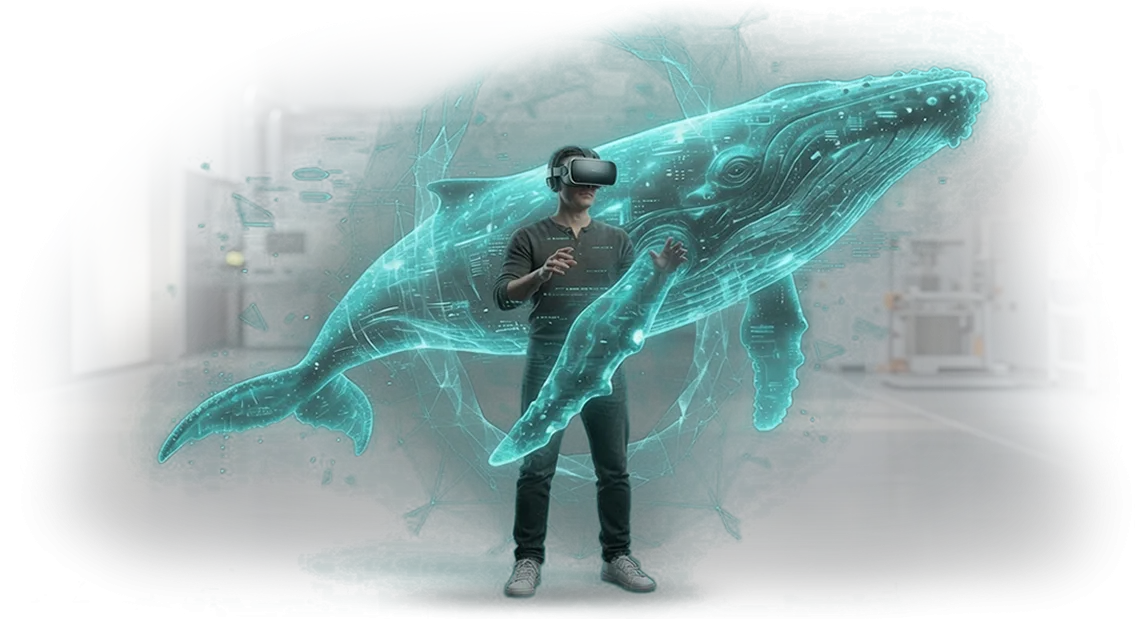
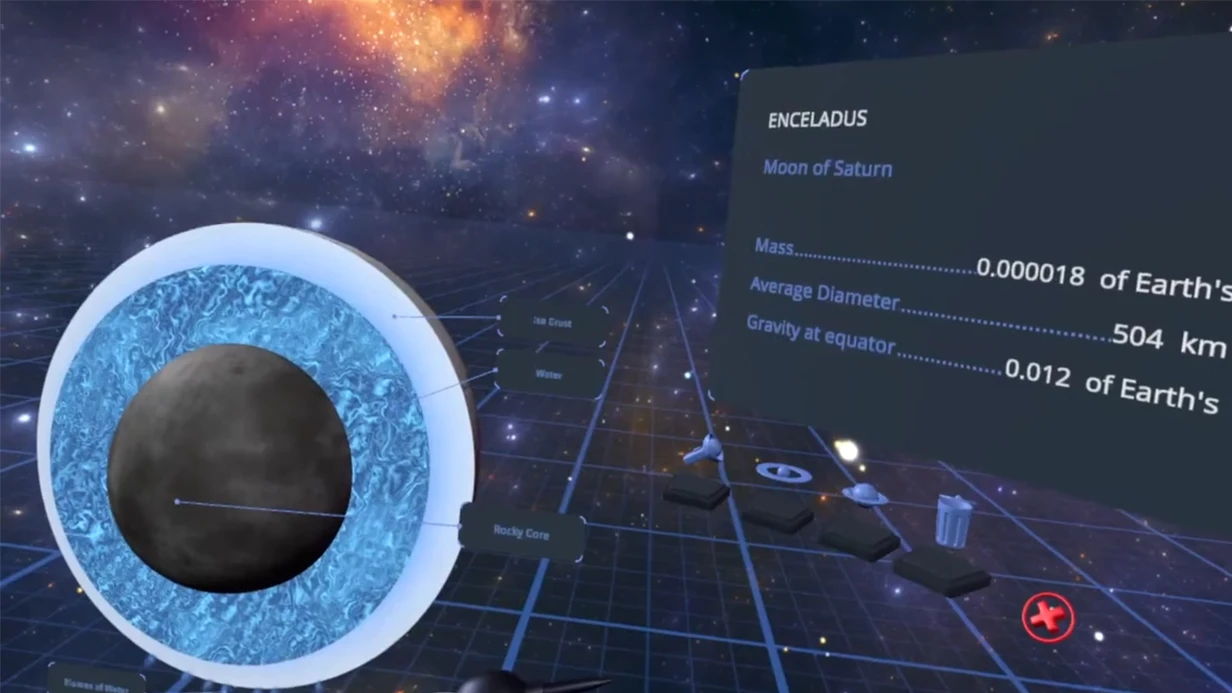
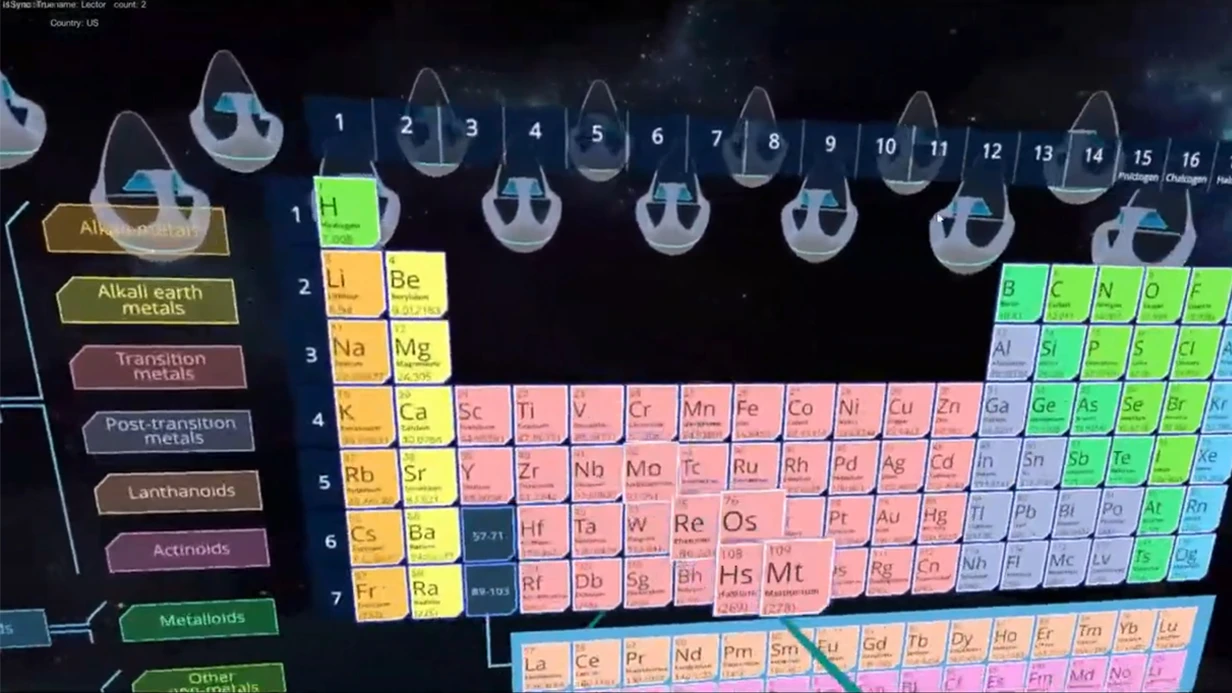
VR and AR turn a drug presentation into a visual, interactive scenario. The doctor sees the mechanism of action in 3D, examines receptor interactions, compares effects — all of this holds attention and sparks genuine interest.
This format is absorbed far better than reading slides and helps the physician make prescribing decisions faster.
For medical representatives, immersive technologies become a working tool: during a meeting, the doctor dives into the material themselves, asks questions, and understands the product better.
Modern devices, including Apple Vision Pro, deliver a full-presence effect and make training truly memorable. As a result, the pharma company regains physician attention, improves training quality, and strengthens brand trust.
What an Immersive Presentation Brings to Your Business
An immersive presentation turns an ordinary meeting or conference into an event audiences remember long after. Instead of slides and brochures — a three-dimensional world where the doctor, distributor, or partner interacts with the product directly.
This generates genuine curiosity rather than polite attention: people stop, examine details, ask questions, and share impressions.
Engaged audiences create reach on their own. Every participant records short videos and takes photos to show colleagues and followers. The presentation thus extends beyond the meeting itself and keeps building brand awareness for weeks after the event.
In pharma, where trust matters enormously, this format sets a company apart from competitors and cements the association with innovation.
The main outcome is a steady flow of leads. After experiencing the product, participants leave with a concrete impression and a desire to learn more.
We collect contact information from interested physicians and procurement specialists on the spot and hand you a ready-made database for your sales team.
This isn't abstract marketing — it's a measurable result: every presentation generates new leads and converts them into follow-up inquiries.
For pharma marketing, immersive delivery solves several tasks at once: explaining complex mechanisms of action, demonstrating advantages over alternatives, and training medical representatives.
One scenario can be reused at trade shows, in negotiations with key clients, and for internal training — costs are justified through versatility.
This is why we build presentations around your audience, not around technology. Professional equipment remains a tool; the priority is business value: engaged specialists, a strong brand image, and a clear path from demonstration to deal.
VR/AR Application Formats for Pharma Tasks
In pharma, different tasks require different tools: at an exhibition you need to capture the attention of hundreds of visitors; medical reps need to quickly grasp a drug's mechanism of action; doctors need to see therapeutic effects without reading lengthy documents.
A one-size-fits-all application doesn't exist: immersive formats deliver results only when chosen for a specific audience and goal.
We develop VR/AR applications tailored to the client's business challenge. Over 10+ years, we've built a base of solutions for pharma companies — from exhibition booths to sales training simulators.
For every scenario, we select the format, script, and session length so you get measurable results, not just an "impressive picture."
| Format | Target Audience | What It Delivers |
|---|---|---|
| VR booth for exhibitions | Exhibition visitors | More contacts per day, social media photos, brand recall |
| VR training simulator | Medical representatives, physicians | Fast onboarding, visual mechanism of action, objection handling practice |
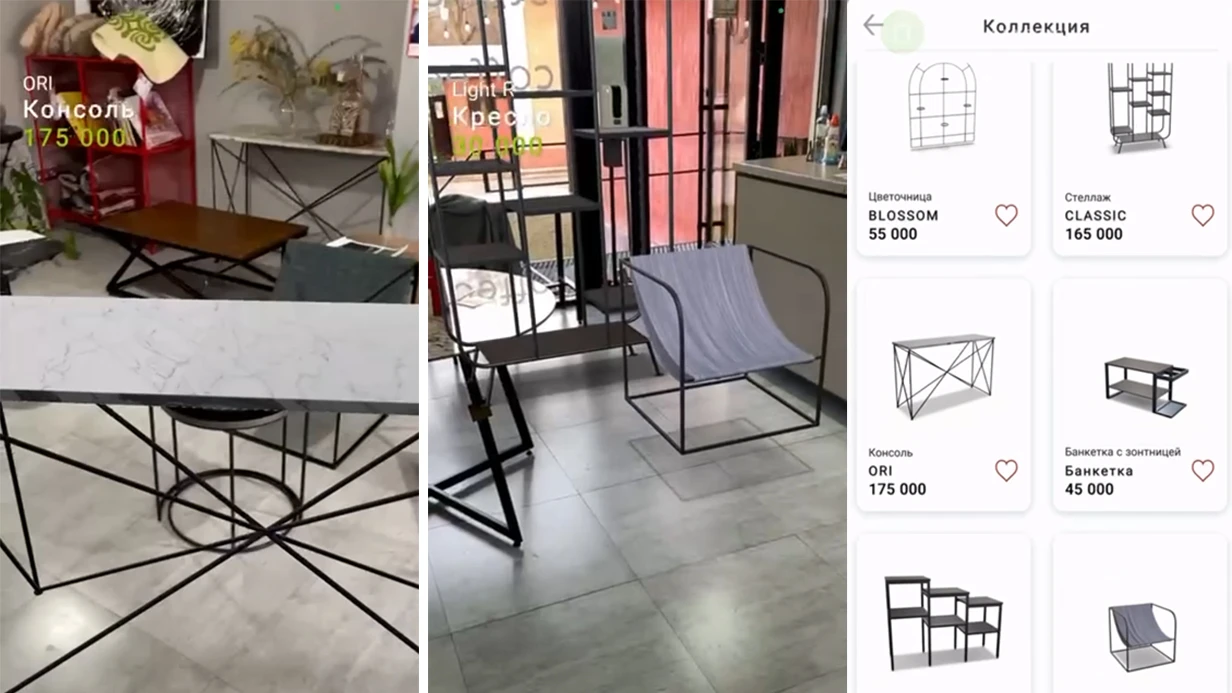
| AR catalog | Sales teams, physicians | Instant access to 3D models, higher prescription conversion |
We tailor each format to your specifics: we define key scenarios, session duration, and the visitor's target action. We'll advise which option will deliver the fastest return in your case — based on your audience, promotion channels, and event format.
How the Project Unfolds: From Brief to Launch
A transparent process is half the battle. We've structured our work so you always understand what's happening at each stage and stay in control of the outcome. Below is the path from brief to application launch, where you always have a clear role and decision points.
- Brief and task immersion. You share your goal: who the application is for, what problem it solves, which scenarios matter. We clarify details, study the specifics of the pharmaceutical industry, and create a technical specification that both sides understand.
- Plan and cost estimate. We propose a step-by-step development plan with clear timelines and deliverables for each stage. You see how long every phase takes and can adjust priorities before work begins.
- Concept approval. We present the application structure, interaction logic, and key screens. At this stage, you make changes at no extra cost — it's far easier to revise a mockup than to rework a finished product.
- Development and interim demos. We build the application and show working versions every 2–3 weeks. You see progress in action, not just in reports, and can fine-tune details before the final build.
- Testing and launch. We verify stability, usability, and compatibility with target devices. Once you approve the final version, we publish the application to the App Store and assist with the release process.
- Support and evolution. After launch, we stay with you: we track feedback, fix issues, and add new features. You get not a one-off product but a tool that works for your business.
This approach removes risks and surprises. At every step, you know exactly what's happening and what you're paying for, while we own the deadlines and quality.
Most importantly, you stay involved exactly as much as you want — from weekly calls to checking results in your preferred messenger.
What You Get in the Final Solution
The final solution isn't just a technical product — it's a working tool your team can use immediately. We cover every stage, from idea to support, so you receive a complete package, not scattered files.
- Scenarios tailored to your tasks. We design interaction logic for employee training, physician presentations, or exhibition demos — with pharma-specific considerations.
- Content and 3D models. We create visualizations of drugs and processes, animations, interactive guides — everything that makes information clear.
- A ready-to-use application. Built and optimized for Vision Pro with an intuitive interface. All that's left is to install and start.
- Team training. We conduct workshops and provide instructions and templates so your staff confidently works with the application and can update content.
- Technical support. We stay available after launch: answer questions, resolve feedback, update for new system versions.
- Integration and analytics. We embed the application into your workflows, connect it to internal systems when needed, and set up usage data collection.
- Transparent process with checkpoints. You see what happens at every stage — from brief to final launch — and can influence the outcome.
This approach ensures a launch with no surprises: you know in advance what you'll receive, when, and how it will work. We'll handle the rest.
Case Study: VR Training Simulator for Pharma Lifts Retention to 90%
Standard presentations for medical representatives deliver material retention of just 20–30%, which is exactly why training conversion in pharma companies often underperforms.
We proposed a different path: training on a VR simulator that replicates a real doctor visit and allows practice without reputational risk. The solution was built on Apple Vision Pro — the employee sees a virtual office, hears objections, and practices responses in real time.
How the Training Worked
For a major pharmaceutical manufacturer, we developed a simulator where every medical representative works through a typical scenario: entering the office, presenting the drug, handling the doctor's questions and doubts.
The system records each action, highlights weak spots, and lets the trainee repeat difficult stages — without an instructor present. Over a hundred employees across several regions completed the training without the need to rent venues or pull teams away from scheduled visits.
Two weeks after training, testing showed material retention at 90% — compared with roughly 30% for the classic format of lectures and paper handouts.
The Business Impact
Training conversion increased 2.5 times, and onboarding time for new employees into the product line dropped from two weeks to just a few days.
The VR simulator is now used both for new-hire onboarding and for regular practice before launching new drugs — scenarios can be adapted for each new product.
The client gained a scalable solution without the costs of printing materials or sending trainers on business trips.
After the initial launch, we updated the program for new products, and the company continued the partnership on an ongoing basis — a true case of training becoming a measurable sales tool rather than a one-time campaign.
What If You Need a Custom Format for Pharma?
A common question: what if a standard format doesn't fit our pharma needs? That's normal — audiences vary: physicians, pharmacists, distributors, internal staff. Each has their own needs and constraints. That's why we don't pick from a catalog; we start by studying your business situation.
First, we listen to how your process works: staff training, launching a new drug, equipment presentations, partner collaboration.
We identify the point where a conventional format "fails" — for example, when it's impossible to show a drug in action or simulate a rare clinical case. That's the custom challenge we design around.
Next, we adapt proven technology to your scenario: we build the logic, interface, and visual presentation so the result integrates with your workflows and corporate standards. You get a tailored format, not a "boxed" product that requires rework or compromises.
The workflow is transparent: first, a concept and prototype built on your data; then, a live test with a focus group; and only then, the launch. At every stage, you see how the solution is closing in on your goal and can make adjustments before the final version.
After deployment, we don't disappear: we refine the material if products, audiences, or market requirements change.
In the end, you get a custom pharma format that solves your specific problem — not an abstract "VR for everyone." That means faster market entry, higher audience engagement, and a clear, measurable outcome. Describe your situation, and we'll propose an adaptation.
Common Concerns Before Placing an Order — Straight Answers
Hesitation before ordering is normal. We've worked in pharma for years and understand that you're accountable for results and reputation.
So let's be honest: how we mitigate risks, what happens if equipment fails, and why you don't need to be a technical expert to launch a project on time.
We handle the entire technical side — from equipment selection to final setup. You get a clear plan, a single point of contact, and fixed agreements. Below are answers to the questions we hear most often before a project begins.
What if the equipment fails at the most critical moment?
We use professional hardware that has been proven across dozens of events. Before every launch, we run full testing and keep a backup kit on hand — so any replacement happens seamlessly for you and your guests.
What guarantees do you provide on deadlines?
Deadlines are fixed in the contract, and we show each work stage with dates. If we're running late on a stage, we notify you in advance — not on the due date. Over the years, we've never missed a launch: every plan includes buffer time for setup and rehearsal.
How safe is this for our data and reputation?
Product data and internal materials stay within the agreed perimeter. We sign an NDA, never disclose project details without your permission, and use secure channels for information transfer. For pharma, this is our standard practice.
What about post-launch support?
We don't disappear after delivery. During the event, a technical specialist stays with you to monitor the system and resolve any issues immediately. Afterward, you receive a manual and ongoing support access — reach out any time.
Worried it's complex and unclear? Write to us — we'll show examples of similar projects, share client references, and draft a plan for your task within one business day.Discuss Your Task — Get a Cost Estimate and Demo
In pharma, every task is unique: training medical reps on a new drug, showing doctors a mechanism of action, or building skills without expensive mannequins.
On the first call, we skip the tech talk — we listen to your challenge and propose a spatial solution for your business goal.
Leave a request, and we'll schedule a consultation at a time that suits you. The conversation takes no more than an hour, and you walk away with an honest picture: which formats are possible, what timelines look like, and how the result will impact your processes. Here's what the discussion includes:
- Expert consultation: we analyze your task, audience, and usage scenarios.
- Project cost estimate: scope of work, timelines, and implementation stages — no hidden terms.
- Demo of solutions on Apple Vision Pro: see how your scenario would look.
- Format selection: training, presentation, interactive catalog, or simulator.
- Implementation plan: steps, schedules, and responsibilities before the contract is signed.
After the meeting, you'll have clarity: whether the format fits, how long the project will take, and what value the business will gain. Leave a request in the form below — we'll get back with a demo proposal and cost estimate within one day.