



Why rescue services need modern technologies
Every minute in a rescue operation literally decides people's fates. Rescuers work in conditions of limited visibility, smoke, no communication, and incomplete data about a building or terrain.
Reconnaissance happens by trial and error, decisions are made on instinct — and this costs time that doesn't exist and puts the rescuers themselves at risk.
The problems of rescue services are known to every manager: training at real sites is dangerous and expensive, while exercises don't provide enough variety of scenarios.
Training a newcomer takes months, the experience of senior colleagues is hard to pass on quickly, and every incident is unique. As a result, a unit loses resources on training, unnecessary actions, and equipment repairs.
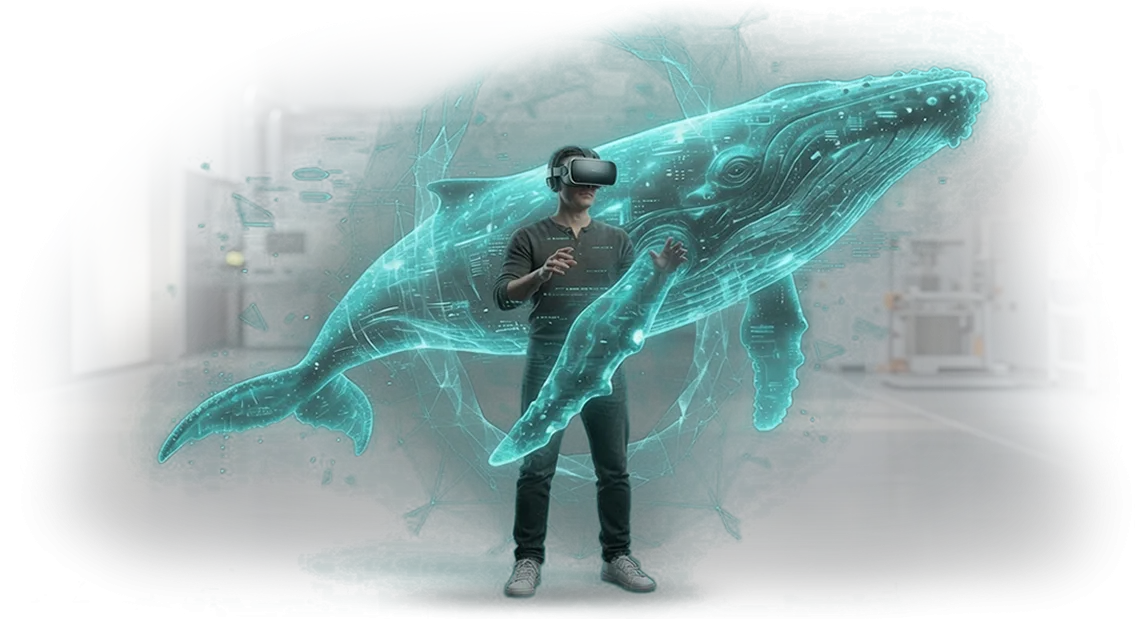
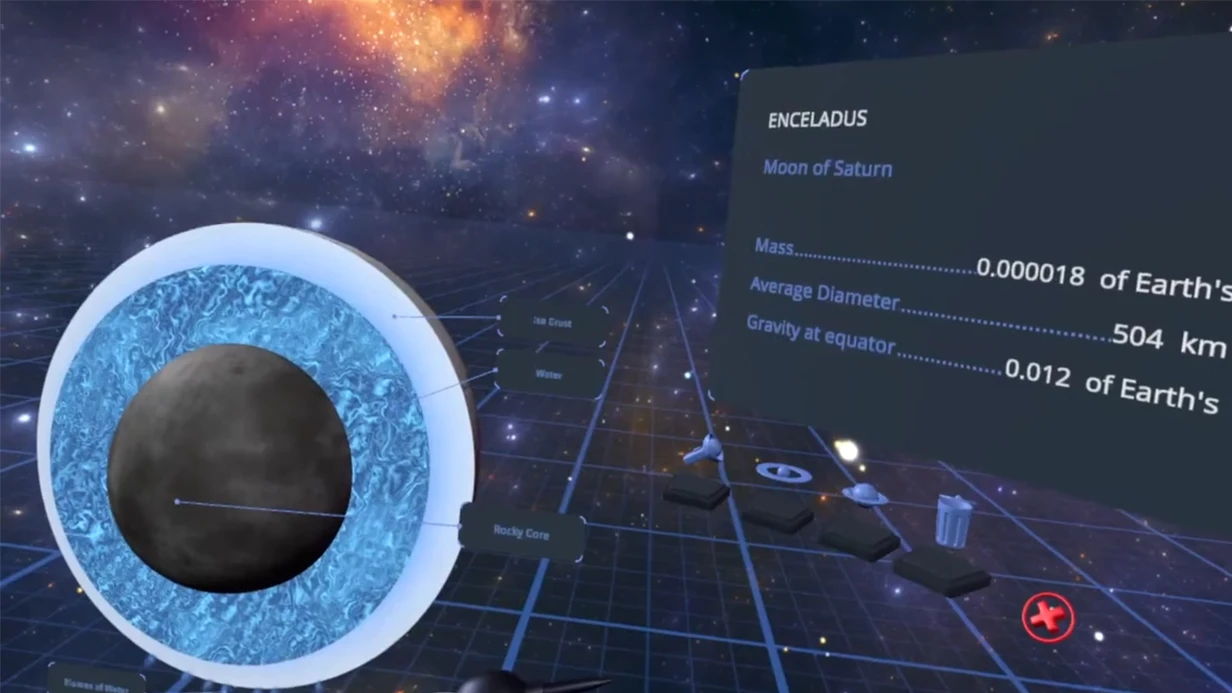
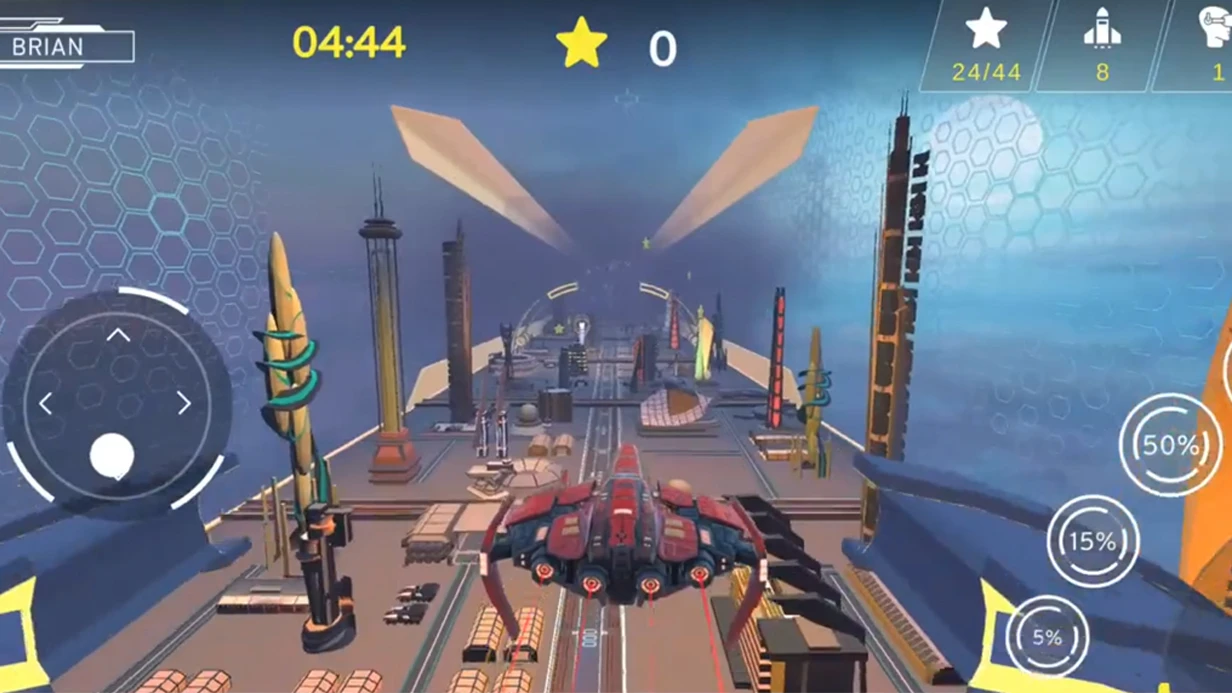
AR and VR for rescue address these pain points. Virtual reality makes it possible to simulate any emergency — from a basement fire to a structural collapse — without threatening staff.
A rescuer practices actions until they become automatic, and the team learns to work together in the most demanding conditions. At the same time, each training session costs significantly less than a full-scale exercise.
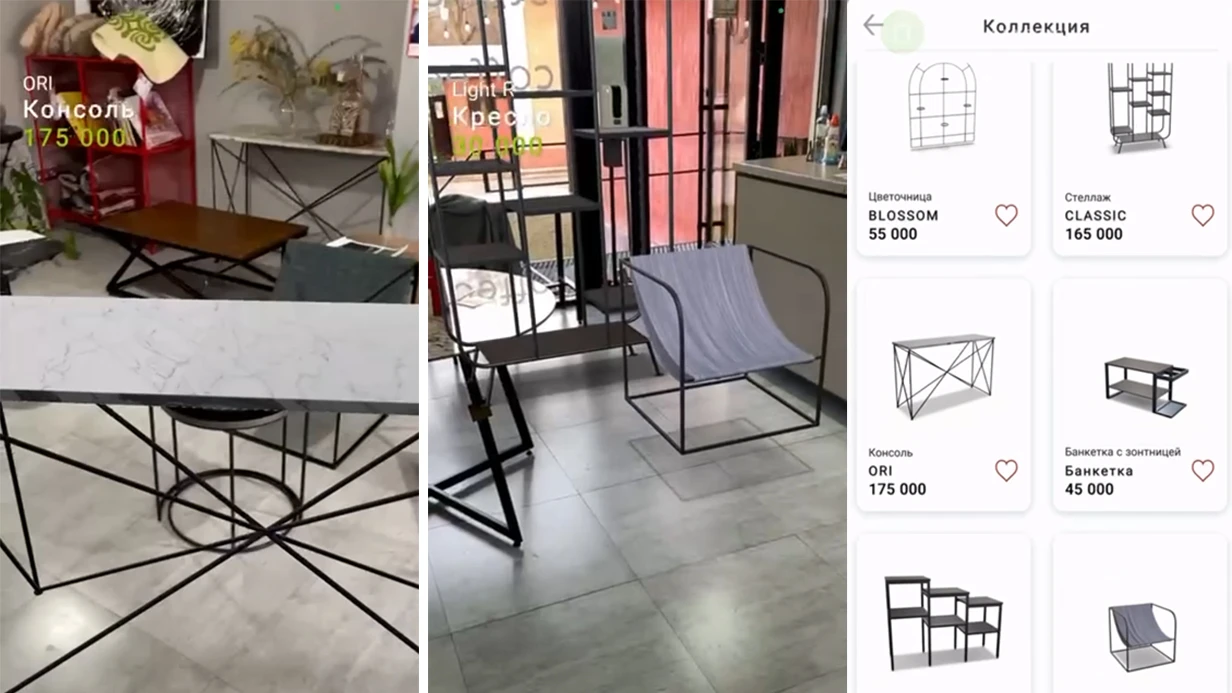
During a real operation, augmented reality displays building plans, thermal imaging readings, routes to victims, and danger levels right before the rescuer's eyes.
There's no need to get distracted by a radio, paper maps, or wait for an order — all information is delivered instantly and in the context of what the rescuer is seeing right now.
These are innovations in rescue operations that cut reaction time in half and reduce the risk of human error.
Just look at successful implementations in large city services: teams orient themselves faster on site, and management gets a full picture of the incident in real time. We help rescue services implement such solutions — from training programs to field decision support systems. Contact us to calculate how much time and resources your unit will save.
How AR/VR help rescue services achieve results
Rescue teams work in conditions where a mistake costs far too much. AR/VR help practice scenarios without risking lives or equipment. Let's look at the key benefits for your unit.
Training speed
Virtual simulators let you set up exercises in minutes, not weeks. An employee is immersed in a realistic environment right away, without lengthy training ground setup. This accelerates getting newcomers up to speed and keeps experienced personnel in shape.
The training schedule becomes flexible — you can hold sessions at any time without waiting for a free training ground.
Exercise safety
Practicing fires, road accidents, or chemical incidents in AR/VR eliminates injuries during training. A rescuer learns to act with full realism but without health consequences.
A mistake becomes experience rather than a cause for investigation, so employees are less afraid of complex scenarios and master new skills faster.
Cost reduction
Digital exercises save fuel, equipment, and vehicle wear and tear. The same scenario can be repeated unlimited times without spending on consumables. This is especially important for regular ongoing training — learning costs become predictable and easy to plan.
Clear coordination
Based on Apple Vision Pro, we create applications where the leader sees the situation from the first-person perspective of each participant. This helps give orders and correct actions in real time, increasing the effectiveness of the whole group.
Communication between headquarters and field staff becomes direct, without radio interference or delays.
Development formats for rapid response
For rescue services, every scenario is unique: a high-rise fire, a man-made accident, searching for people. Lives depend on team readiness, so preparation must be as well thought out as the operation itself.
Different application formats address different tasks — from immersion in a stressful situation without risk to step-by-step prompts right in the field.
We have identified three main formats — VR simulations, AR instructions, and trainers. Below is a table of key use cases.
| Format | For whom | What it provides |
|---|---|---|
| VR simulation | Exercise leaders, instructors | Training in conditions close to real ones, without risk to life |
| AR instructions | Field personnel | Step-by-step prompts over the real view — fewer errors during rescue |
| MR-based trainer | Training centers | Combining real equipment and virtual scenarios to build skills |
| Virtual training ground | Operations planners | Running different situations and checking team readiness before dispatch |
This is not a strict classification: a single project can combine formats. For example, a VR trainer for theory and AR instructions for field work. The main thing is to start from the team's tasks and the available training time.
We help you choose a format for your specific needs and budget. During a consultation, we'll show how each application type fits into your existing training and response process.
How we organize a project: step-by-step process
We structure our work so that you always understand what stage the project is at and what you'll get as a result. No "black box": each step ends with a clear approval point, and you make decisions based on facts, not guesses.
The process has been refined across dozens of implementations for services where the price of a mistake is minutes and human lives.
-
Brief and task immersion. We conduct interviews with your employees and unit leaders, study current regulations and response scenarios. The output is a one-page document with goals, constraints, and success criteria. You approve it before work begins.
-
Scenario audit and solution design. We determine where an AR/VR tool will deliver real impact: exercises, on-site navigation, remote consultation, training newcomers. We prepare the application architecture and an integration plan with your processes. You see the plan, timeline, and risk points before any resources are committed.
-
Prototype and hypothesis testing. We build a working prototype on target devices, including Apple Vision Pro, and let your key employees test it on real tasks. We collect feedback and adjust scenarios. This removes most problems before full development starts.
-
Development and interim demos. We work in iterations: every two weeks we show a working part of the application — from interface to action logic. You comment, we immediately make changes. No surprises at final delivery.
-
Comprehensive testing and launch. We test the application in conditions close to real ones: incident simulation, load, work with gloves and in limited visibility. We fix discovered issues and help with deployment on your teams' devices.
-
Training and technical support. We prepare instructions and short in-person sessions for employees so they can work confidently right away. After launch, we stay in touch: updates, refinements for new scenarios, consultations — at your request.
This approach guarantees that you don't overpay for unnecessary features and get a tool that genuinely improves the speed and safety of your teams' work. The brief and the launch are the two points where you make key decisions; we handle everything else ourselves.
What's included in the delivery: a complete package for a successful launch
After the project is completed, you get not just an application but a fully functional package that your employees can use from the day it's handed over. We provide everything needed for launch, stable operation, and further development. The delivery includes:
- A working VR/AR application for your rescue service tasks — a fully tested product with an intuitive interface that doesn't require special technical knowledge from employees.
- Complete documentation for your team — clear instructions for installation, configuration, and operation. The documentation describes the system in user-friendly language, including typical scenarios and procedures for emergency situations.
- Personnel training program — we conduct in-person or remote training for your instructors and regular employees. After training, the team works confidently with the application without constant developer support.
- Code rights and source materials — you receive all rights to the completed development. At any time, you can transfer the project to another company or develop it with your own IT team, without dependence on a specific contractor.
- Technical support after launch — we accept requests from your employees, quickly resolve issues, and support the application at the start. You're not left alone with the product after project delivery.
- Update and maintenance instructions — system update procedures, backup rules, and actions to take when equipment changes. This allows your team to keep the application up to date independently.
- Materials for integration with your processes — recommendations for embedding the application into existing training and exercise regulations of rescue services. You get ready-made usage patterns without deeply restructuring current operations.
This delivery scope saves you from finishing touches, misunderstandings, and hidden costs after launch. You receive everything needed for operation right away. All that's left is to start using the application in your units' work.
Case study: how an AR application changed specialist training
Rescuer training almost always comes down to real exercises: they are expensive, rare, and dangerous. A pipe rupture or smoke scenario can only be rehearsed a few times a year, so skills don't stick.
This is exactly the problem that fully immersive training solves — it lets you experience an accident without risk to people or equipment.
Virtual training became the primary method
We developed an AR application based on Apple Vision Pro and integrated it into the program of the Readiness Training Center. The instructor sees each trainee's actions and controls the scenario — changes the environment, adds "victims", introduces new inputs.
The student doesn't just look at a screen but interacts with virtual objects just as they would with real ones.
The result — personnel ready to act
Over six months, the time to work through scenarios dropped by 2.5 times: instead of 20 minutes, a trainee now finishes in 8. The share of successfully passed final tests grew from 64% to 91%.
A total of 210 specialists completed the training, and the organization ordered an expansion — fire scenarios in residential buildings and interaction with medics were added.
The second contract was signed a year after launch. For us, this is the main indicator: the client saw measurable growth in personnel readiness, not just a pretty picture.
We fully support the implementation — from scenarios to instructor training — so the product works instead of gathering dust on a shelf.
How to choose the right format for your tasks?
The choice of format depends not on how trendy the technology is, but on the task the rescuers need to solve. If you need to practice actions in conditions that haven't occurred yet, a fully immersive simulation is suitable.
If precise anchoring to the real environment matters, augmented reality overlays data directly onto the terrain map or building.
For training and exercises, the VR format allows you to play out the most dangerous scenarios without risk to life. The team practices evacuation, firefighting, and victim search in an environment as close to real as possible, and can also stop, analyze mistakes, and repeat. This provides lasting skills, not just theory.
When it comes to coordination on a real call, AR or mixed reality is more convenient. Through the headset, the employee sees the floor plan, danger zone markers, and movement routes — and makes decisions quickly, without being distracted by paper maps or radios.
Such solutions based on Apple Vision Pro are already helping in emergency situations where every second affects the outcome.
If you're not sure which scenario suits you best, just contact us for a consultation. We'll analyze your specifics, suggest a format for your specific budget and goals, and show examples of implementations in the rescue sector. Finding the right solution takes one short conversation and saves months of pilot launches.
Answering common questions and concerns
We understand: solutions for rescue services must work flawlessly, and any doubts about reliability are the main barrier to adoption. That's why we address typical objections with honest terms and a transparent process.
How is the cost calculated and what does it include?
The cost is calculated based on the result, not hours spent. The calculation takes into account the number of scenarios, the number of devices, and the depth of integration with your alerting and mapping systems.
The estimate includes development, testing with real employees, documentation, and training. No hidden payments — you understand in advance what you're paying for and what performance metrics you'll get after launch.
How long does development take?
A typical application for training, navigation, and practicing actions takes about two to three months. If integration with drones, telemetry, or monitoring is required, the timeline increases, but we fix dates in the contract and show intermediate versions within a few weeks. You see the product in action, not just at the final presentation.
How reliable is this in the field?
We design interfaces for work with gloves, poor lighting, and stressful situations. The application goes through multiple testing cycles with your teams, not just in the lab.
We include an offline mode — some key functions work without the internet so that connectivity doesn't become a bottleneck. Compatibility with existing equipment is checked at the start of the project, not after launch.
What about warranty and support after launch?
After delivery, you receive a warranty for fixing issues and technical support without limits on the number of requests. We don't abandon the project after release: we support updates, adapt functionality to new regulations, and help train new employees. Your job is to save lives; ours is to make sure the technology works at any moment.
Ready to start? Get a consultation and project estimate
Rescue service work is extreme conditions, time pressure, and responsibility for lives. Apple Vision Pro technologies let you see key information right before your eyes: floor plans, sensor readings, victim coordinates, and instructions. The employee doesn't get distracted by a tablet — and makes the right decision faster.
But how do you turn this into practical value for your unit? The answer is in an individual consultation. We'll analyze your processes, show applicable VR/AR/MR scenarios, and prepare a project estimate: scope of work, timeline, and team composition. There's no obligation to start.
What you get after deciding to start:
- A detailed breakdown of your scenario and a task definition tailored to your service's specifics.
- A prototype of the interface and interaction logic — you'll see how an employee works with data in a real environment.
- A transparent development plan with stages, timelines, and areas of responsibility.
- Pilot operation at your facility or with your specialists before full launch.
- Personnel training and instructions — the team works confidently from day one.
- Support and refinement based on results from real callouts.
Submit a request on the website — we'll contact you within one business day, answer your questions, and prepare an estimate. Start with a short consultation so your rescuers get a tool that saves seconds. Often, seconds decide the outcome of an operation.