



Why Renewable Energy Struggles to Attract Investment
Investors and partners make decisions in minutes, not after dozens of slides. Renewable energy projects are complex: wind farms, solar stations, storage systems — yet on presentations they look like flat diagrams and tables.
The scale is lost, the benefits get blurred, and time runs out. When the fate of a contract is decided by emotion and a sense of scale, ordinary PDFs lose.
While you explain the numbers, competitors are already showing their project in action. Investment decisions are often made not on the basis of analysis, but under the impression of what has been seen. If a client does not feel the scale and benefit, they will go to those who managed to convey it.
VR for business closes this gap. We create interactive presentations that let an investor literally step inside a future facility — walk across the station site, see the flow of energy, compare scenarios. This works stronger than any slides.
As a result, you get not just a beautiful video, but an investment attraction tool. A meeting becomes a managed experience: you guide the investor through the project, answer questions right in the environment, show the benefit visually.
This approach shortens the deal cycle, increases trust, and helps you get a financing decision faster. Your renewable energy project looks more convincing than the competitors' from the very first meeting.
Benefits of VR/AR for Renewable Energy
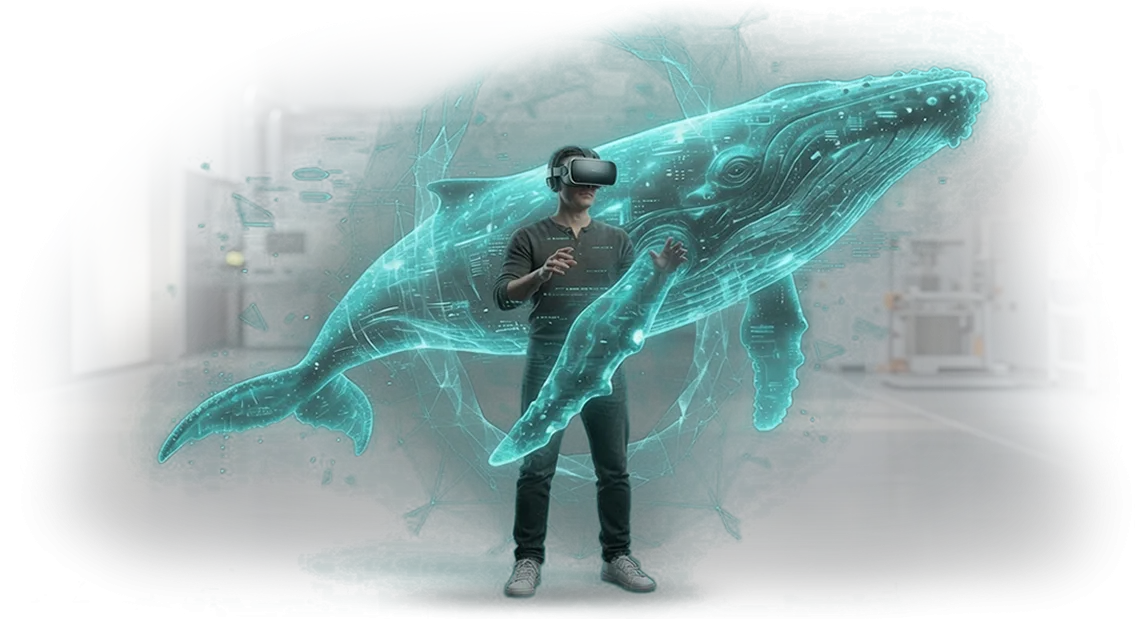
Investors and partners find it hard to imagine the scale of a wind farm or solar station from blueprints and slides. Virtual and augmented reality take them inside the project before construction even begins — this removes doubts and accelerates the financing decision.
For such tasks, we also use the Apple Vision Pro: spatial computing provides the most realistic image that cannot be achieved on a regular screen.
VR Presentations: Show the Future Facility as Complete
Instead of flat diagrams — a full virtual tour. The client "walks" through the territory of the future power plant, sees the layout of panels, evaluates the infrastructure.
The impression from such a display is stronger than any render: the object is perceived as already existing, which means trust in the project and your company grows.
This is especially important at tenders and meetings with government bodies, where you need to quickly convince the audience that the plan is feasible.
AR for Industry: Training and Maintenance Without Risks
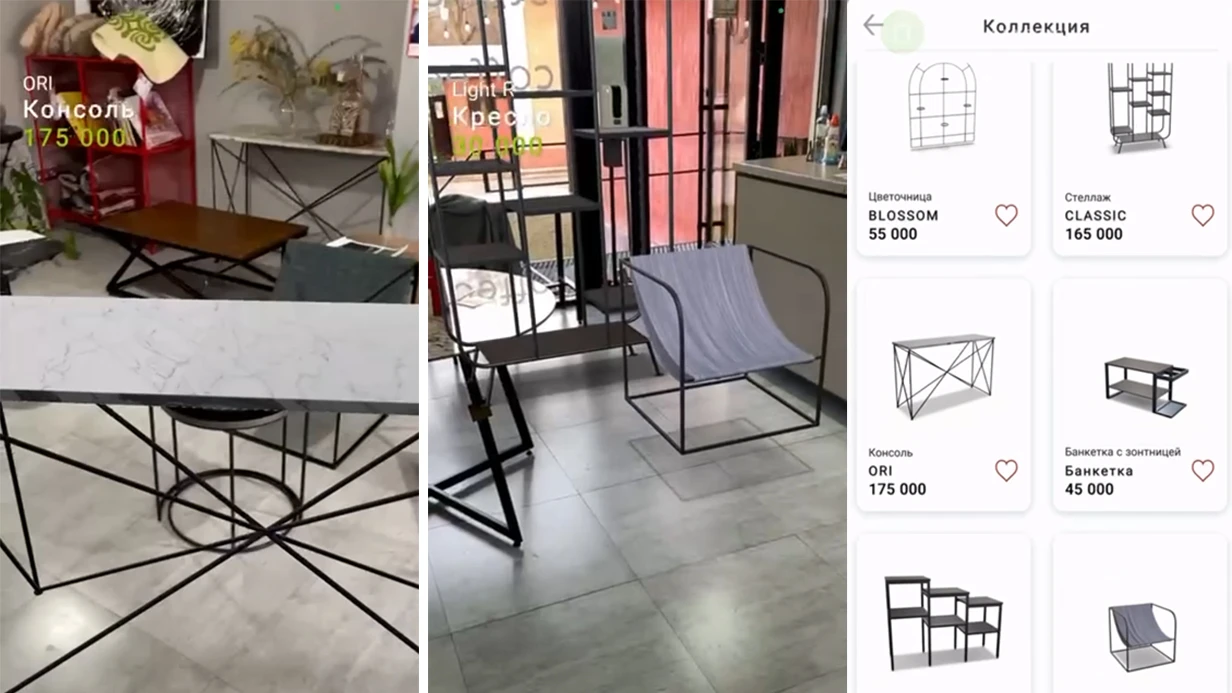
Augmented reality in manufacturing saves time and money. An employee points the camera at equipment and sees hints: operation sequence, control points, warnings.
No need to bring a specialist to the site or disassemble the unit — an AR instruction right in the field of view reduces downtime and lowers the number of errors. For renewable energy companies, this means faster commissioning and safer sites.
More Reach and Sales With Interactive Materials
Create a VR scene once and use it many times: at exhibitions, in negotiations, on the website. A booth visitor controls the viewing themselves — this engages more strongly than a passive video.
Such demonstrations leave the client with the impression of a modern, high-tech company, which sets you apart from competitors working the old way.
We have already helped energy companies implement VR presentations and AR instructions — from idea to launch. Tell us about your task, and we will propose a solution that pays for itself at the very first negotiations.
VR/AR Project Formats for Business Tasks
Renewable energy means complex facilities: solar panels, wind farms, storage systems. It is hard for an investor or partner to imagine a future project from drawings and a presentation. For employees, it is difficult to safely master maintenance without visiting the site. Immersive technologies solve both tasks: they clearly demonstrate value and save time.
We do not just implement technology — we select the format for your goal. Below are four typical scenarios we already use in projects for the energy sector.
| Format | For Whom | What It Gives the Client |
|---|---|---|
| Virtual tour | Investors, local communities, authorities | Immersion in the project before construction: scale, environmental friendliness, and benefits are visible. Accelerates approvals and idea adoption. |
| AR application | Sales and technical teams | Equipment demonstration "on the table": the object can be disassembled, shown from the inside, and its working principle explained at an exhibition or meeting. |
| 3D visualization | Design departments, contractors | A clear explanation of technical solutions without blueprints. Simplifies approvals and reduces the number of errors during construction. |
| Immersive hall | Top management, press centers, public events | Full immersion in the energy park of the future: moving through the facility, changing time of day and loads. High engagement and social media reach. |
Any of these VR and AR formats can be adapted to your task — from a short demo to a full simulator. Tell us what you want to show, and we will select a tool that delivers results.
How We Create VR/AR: Project Work Stages
When a business decides to use immersive technologies, the question arises: how does it happen? We answer transparently. Developing a VR application for Apple Vision Pro or creating an AR solution for renewable energy is a well-structured six-stage process. You always know what is happening and can influence the outcome.
- Brief and task analysis. We dive into your situation: who will use it, what scenarios are needed, how to measure success. We clarify where the solution will be used — at an exhibition, on a production site, or in an office.
- Scenario and prototype. We describe the interaction logic. You see how the user moves, what they see, and how they make decisions. At this stage, we agree on the key mechanics of the future application.
- Design and development. We create the visual environment and interface. For Apple Vision Pro, we design spatial elements that are intuitive — a person simply looks and gestures, without training. In parallel, we develop on a professional engine.
- Testing. We check the product on a real device, simulating different situations: low light, many people, large screen. We fix issues before your audience sees the application.
- Deployment. We configure equipment, install the software, and train your team. We help with the first launch so that everything runs smoothly.
- Support. After launch, we do not disappear: we update content, add features, and monitor stability. If your tasks change, you can always expand functionality.
In the end, you get not just an application, but a tool that solves business tasks. We take the project to the result and remain responsible for it after launch.
What Is Included in the Delivery: Your VR/AR Solution Package
When ordering a VR/AR solution, you receive not just a "virtual reality picture," but a working tool that solves tasks in your field — from clear demonstration of renewable energy facilities to safe operator training.
We fix the delivery scope in advance so that there are no surprises after the project is handed over.
The delivery package includes everything needed for launch and daily use:
- A ready-made application configured for your business tasks — displaying wind stations, solar panels, or an interactive training simulator for staff. It works on your equipment, including Apple Vision Pro, and does not require constant involvement of developers.
- A full set of source codes — you own the solution and can transfer it to contractors or develop it with your internal team.
- Staff training: practical instruction for employees who will work with the application, plus cheat sheets for typical scenarios. People start using the solution within the first days.
- VR technical support throughout the entire lifecycle — we answer questions, help with equipment setup, and roll out updates.
- Up-to-date delivery documentation: deployment, administration, and backup instructions — your team has all the answers.
- A product development plan: prioritized improvements that you can order after the first weeks of use.
After handing over the project, we do not disappear — we stay in touch for consultations, help adapt the application to new tasks, and regularly send recommendations for improvement.
This is especially important in renewable energy, where equipment and technologies are updated, and the application must stay relevant. You get not just files — but partner support for the entire period of use.
Case Study: Virtual Tour for a Wind Turbine Manufacturer
For a wind turbine manufacturer, selling complex equipment comes down to trust and clarity. The buyer wants to see how production is organized, how a blade behaves in different modes — but you cannot take everyone to the site. We solved this with a VR tour.
For VetroProm, we created a virtual tour of the production site and an operating wind park. Using a tablet, laptop, or VR headset, the client walks through workshops, examines components in detail, and even launches a turbine operation simulation.
No complicated instructions — the sales team sends a link, and the client explores the product at their own pace.
Implementation Results
We measured the results after three months. The tour was viewed by more than 400 potential customers from 12 countries, while the share of commercial proposal requests grew by 38%.
The average deal cycle shortened by two weeks — engineers stopped spending time on repeated site visits and demonstrations, and clients made decisions faster.
We also noted a reduced workload on the design office. Previously, one presentation took 3–4 working hours of specialists; now that resource is freed up for development.
Negotiations with international partners are conducted without business trips — this also saves budget, which the client themselves appreciated right away.
After six months, the manufacturer extended the tour by adding a new product line — meaning the project paid off not as a one-time "picture," but as a working sales tool. If you want the same tool for your industry, let us discuss your scenario at a consultation.
Frequently Asked Questions About VR/AR Implementation in Your Industry
Before adopting VR/AR in renewable energy, clients have the same concerns. They usually relate to cost, timelines, and integration complexity — so here we have collected answers to the most frequent questions.
How much does VR/AR application development cost?
The cost depends on the format and scale of the task. A VR training simulator for staff and a marketing AR project for a station presentation are different budgets because the scope of work and goals differ.
We always start with a brief and offer several options for your budget — from a pilot project to a full solution. VR/AR usually pays for itself through reduced training costs and improved safety.
What are the development timelines?
A typical pilot project takes 2–4 weeks, while a full solution takes from 2 months. This is because we first design the scenario, then create content and conduct testing on your side. You do not need to wait six months to see results: we show the first demo versions at early stages.
How difficult is it to integrate VR/AR into our processes?
Implementation does not require restructuring your company's operations. We adapt the solution to existing workflows: for example, a VR simulator is integrated into the training program, while AR instructions are integrated into the work of field teams.
On our side, there is technical support and staff training, so the team quickly gets used to the new tool.
Do we need to purchase expensive equipment?
No. For most tasks, the equipment employees already have is sufficient — tablets, smartphones, or office computers. VR headsets are only needed for full immersion, and we help choose budget-friendly options that match your tasks. The main result is not the "hardware," but new opportunities for your business.
If you did not find an answer to your question — write to us. We will explain how VR/AR solves your specific task, estimate the budget, and propose a pilot project that can be launched within the coming weeks.Get a VR/AR Implementation Plan in 1 Day
Leave a request, and within one business day you will receive a commercial proposal with a VR/AR implementation plan for your renewable energy task.
We do not sell "technology for the sake of technology": together with you, we identify where virtual and augmented reality will deliver measurable results — in staff training, remote maintenance, project presentations, or installation control.
Over 10 years, we have completed dozens of implementations for industrial and energy companies. We use professional equipment and proven development tools, so our proposal is based not on abstract promises, but on tested scenarios.
The commercial proposal will include:
- an analysis of your task and selection of the VR/AR format with maximum impact;
- cost calculated after audit and implementation timelines for your scale;
- a description of use scenarios: from staff training to solution sales;
- a return on investment forecast and payback periods;
- a pilot stage plan and success criteria.
VR/AR implementation is not a purchase of an equipment kit, but a change in work processes. Therefore, the plan shows how the technology fits into your current activities, who will be involved, and what results you will see at each stage.
This plan can be discussed directly with management and your team. Based on it, you will understand which processes will become faster, where costs will be reduced, and how safety will be improved.
Leave your contacts or call us — we will clarify the task and prepare the estimate. No obligations. You get a ready-made action plan and an understanding of where to start implementing VR/AR as early as next week.
How to Choose the VR/AR Format for a Specific Task?
The VR/AR format is not a technical detail, but a solution to a specific business task. In renewable energy, the same request "make an application" can mean staff training, investor presentations, or installation support.
Therefore, the first thing we find out at a consultation is exactly what goal the project must fulfill: accelerate commissioning, reduce risks, or increase brand awareness.
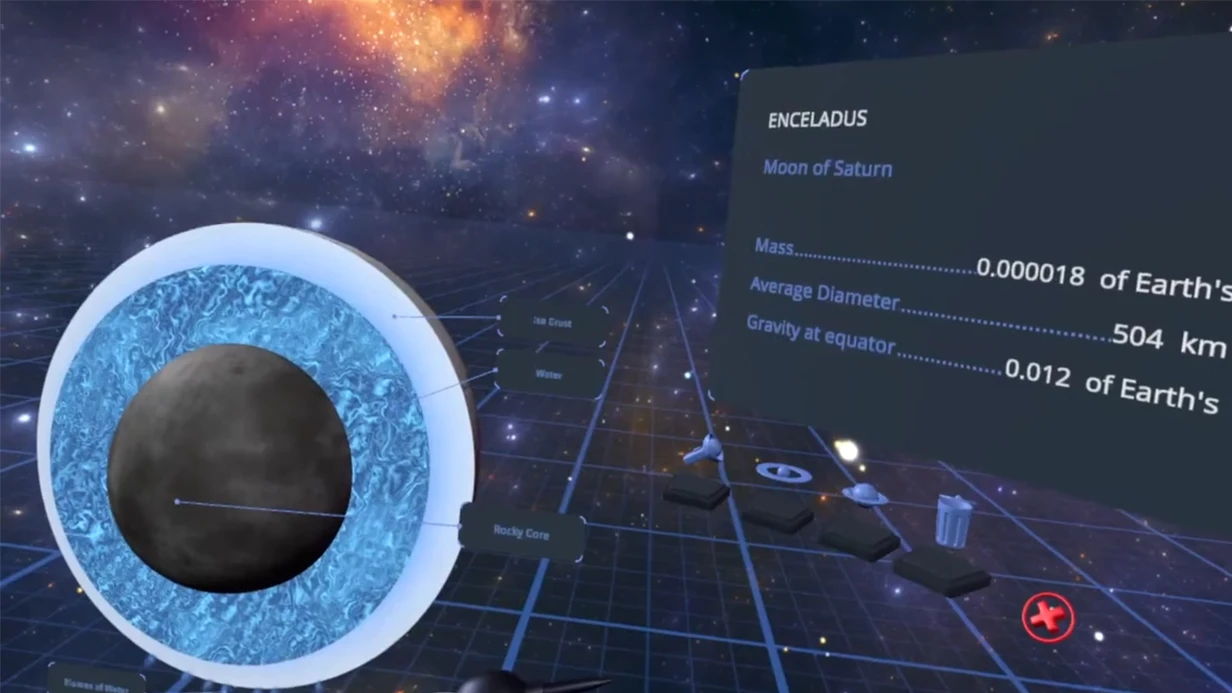
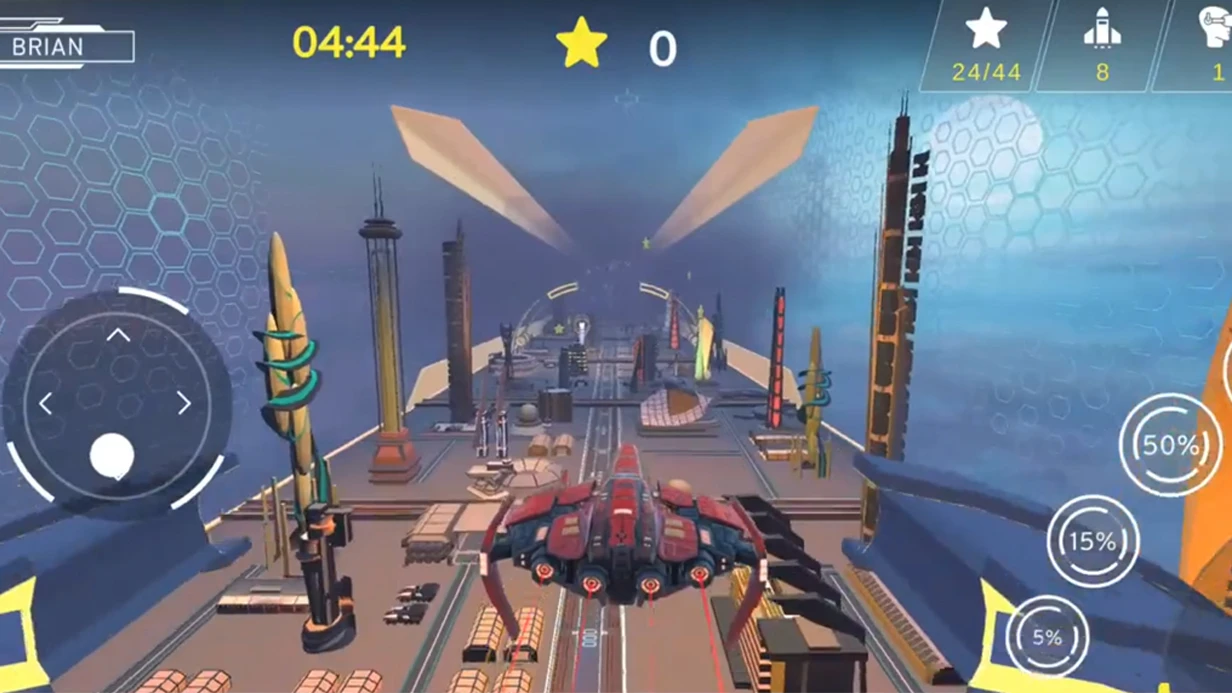
If you need to train employees to work with a turbine or solar station without risking equipment, we choose virtual reality. A VR simulator allows practicing rare and dangerous scenarios in a safe environment, and the result is measured by the speed and quality of operations.
For presenting a future energy park to investors, an immersive flyover with a visualization of the station's capacity is suitable — it is clearer than any slides and stays in memory for a long time.
When the task is to help an engineer at a real facility, augmented reality is more effective: we overlay diagrams and hints directly onto the equipment. This way, a specialist gets the needed data faster, and the number of errors during installation is reduced.
At the same time, AR often requires a smaller starting budget because it works on existing tablets and smartphones, while VR solutions require the purchase of headsets.
We help at the format selection stage: we analyze project requirements, evaluate the audience, typical use scenarios, and potential scale. Based on this, we propose a format that solves the task without overpaying for excessive functionality.
For example, a single VR room is enough for pilot training, while for scaling to multiple sites, AR with a central management system is more cost-effective.
The consultation starts with your description of the situation. Send us what needs to be visualized or automated — we will select the optimal format, and then develop an application for your budget and timeline.