




A Boring Catalog Loses Customers: An Interactive Catalog Solves It
An ordinary catalog is just a list of items. The client flips through pages without lingering, and leaves for a competitor because nothing catches their eye. This loses not only sales but also brand trust: the catalog feels outdated.
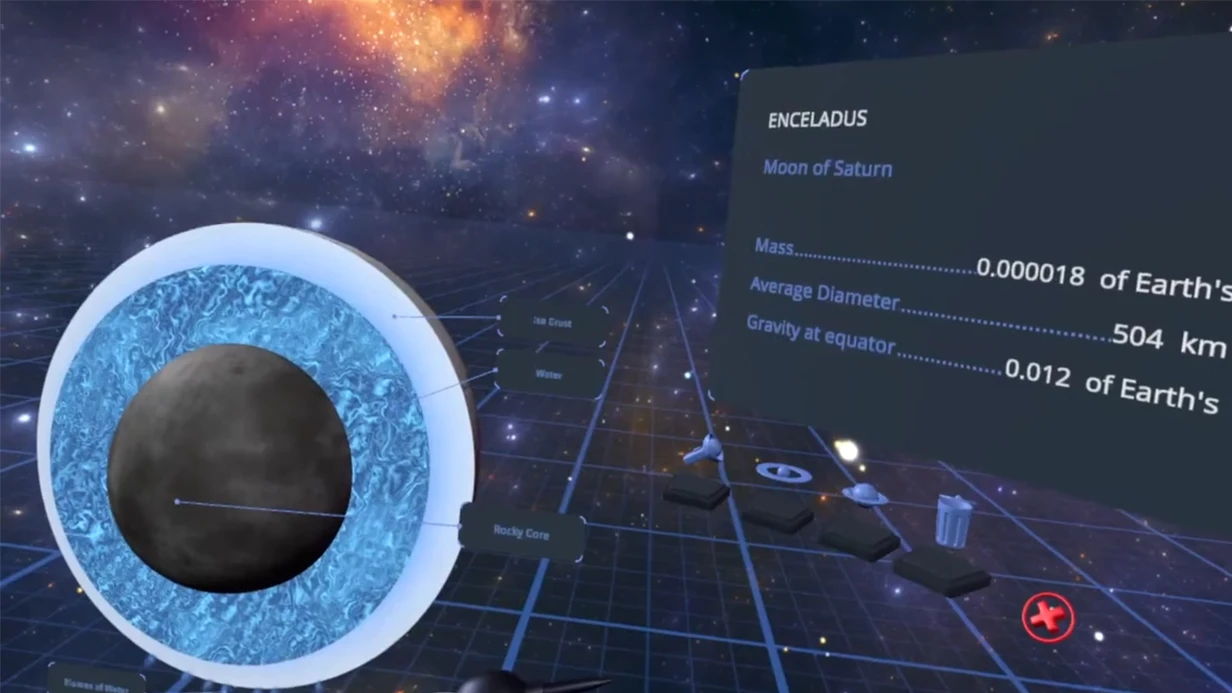
An interactive catalog shifts attention from passive viewing to active engagement. Instead of a static image — movement, a 3D model, the ability to examine the product from any angle.
The client controls the viewing, and that creates engagement: they spend more time studying the product, which means a higher likelihood of ordering.
The result speaks for itself. An engaged client stays on the page 2–3 times longer, remembers the brand, and returns more often. An interactive catalog drives retention, turning a one-time visit into systematic repeat orders.
We create such catalogs using professional equipment and proven tools, so the client gets reliable operation on any device — smartphones, tablets, computers. A link is enough; no additional apps are needed. This solves the main business pain: the client doesn't leave out of boredom but stays and buys.
Why an Interactive Catalog Is Essential for Sales Growth
An ordinary catalog shows products as flat images — a buyer flips through it in seconds and leaves for competitors.
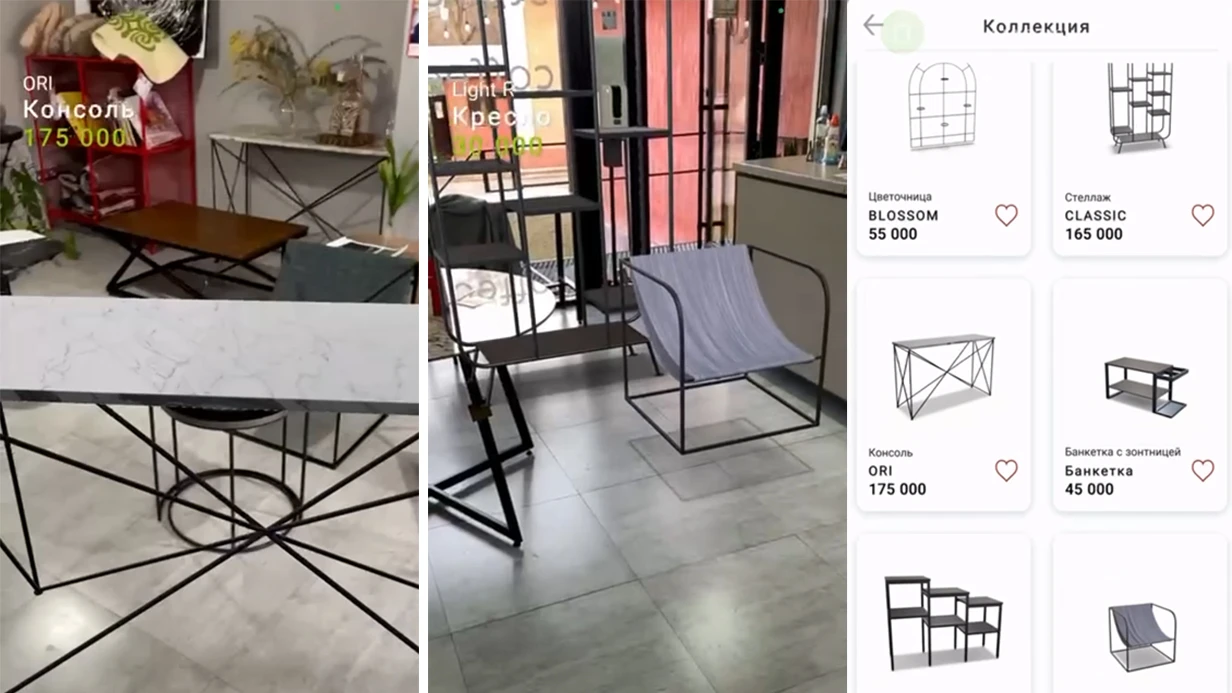
An interactive catalog turns viewing into live interaction: a client can "place" furniture in their room, try on an accessory, or examine the product from all sides.
This isn't just entertainment — it's a way to hold the audience's attention and create an emotional connection with the brand.
Engagement directly affects sales. When a buyer spends more time with a product, they remember it better and are more willing to share the impression on social media — so brand awareness grows without an additional advertising budget. Each such interaction increases the likelihood of moving toward a purchase.
Conversion increases through client confidence. When they see the product in a realistic environment, they stop wondering "will this suit me?" and make the decision faster.
At the same time, return rates drop — the person already knows in advance how the item looks in real life. For business, this means more sales with lower costs.
An interactive catalog also collects leads. Built-in mechanics let users leave requests, save favorite items, and receive personalized recommendations — each session turns into valuable information about client preferences. Based on this data, you can run follow-up touches and increase the average order value.
We develop such catalogs based on browser-based augmented reality — the client doesn't need to download apps, just open a link. We work on professional equipment and proven tools, so the result is stable on any modern device. You get a tool that works for sales: it engages, persuades, and brings in customers.
Product Demonstration Formats for Your Audience
The same product is perceived differently on a website, at an exhibition, and on social media. An online-store visitor needs confidence before purchase; an event guest needs an impression and a reason to share the emotion.
Therefore, the demonstration format is chosen for the audience and the task: from an interactive catalog to a virtual space.
| Demonstration Format | Who It's For | What It Gives the Client |
|---|---|---|
| Interactive catalog in augmented reality | Online stores, catalogs | Buyer sees the product in their own space, decides on order faster |
| Virtual showroom | Exhibitions, presentations | Visitor explores products without a physical sample |
| Augmented reality stand | Events, promotions | Guest takes the interactive experience with them, coverage continues after the event |
| 3D showcase on the website | Catalogs with a large assortment | Rotate and zoom the product without a photoshoot of every angle |
Choosing one format is not necessary: we adapt the interactive catalog to several platforms at once. Data is collected into a single system — you can see which products were viewed more often, how long users spent studying details, and what led to a request or order.
For your team this means less manual work and more controlled demand. We prepare content for the season, bring new products to the top, and handle the technical part — loading speed and device compatibility — ourselves.
The format is chosen for your business, not the other way around. Contact us — we'll show examples for your industry and propose a demonstration scenario that will increase audience engagement.
How We Work on a Project from Brief to Launch
We structured the process so you always know what stage the project is at and what happens next. No "black boxes": each stage ends with a clear result and your decision. This removes the risk of mismatched expectations before launch and saves your budget.
-
Brief and immersion into the task. You tell us who the catalog is for, which products or services we're showing, and what result we want to achieve. We ask clarifying questions, study the audience and competitors, and propose a scenario that actually works.
-
Concept and prototype. We show how the user will interact with the catalog: what they see, where they click, how the product card opens. You see the structure before money is invested in development and can adjust the details.
-
Approval of mockups and scenarios. We prepare the visual style, texts, and navigation logic. At this stage, the look and functionality are approved — all edits are made before programming begins, not after.
-
Development and assembly. Our specialists bring the approved mockups to life: they add 3D models, animations, sound, and camera work. You get a working prototype to test on your devices.
-
Testing and launch. We check how the catalog behaves on different smartphones and in different lighting conditions, fix errors. Then we place the catalog on your website or provide a link for quick guest access.
-
Support and analytics. After launch we stay in touch: answer questions, refine for new devices, help update products. If desired, we connect counters so you can see how many users opened the catalog and which items were viewed more often.
A clear process without surprises is half the success. The second half is the result: an interactive catalog that is easy for a guest to open and convenient for you to maintain.
What's Included in the Project Outcome for Your Business
An interactive catalog is not just a 3D showcase, but a working tool for your sales. The project includes a complete package that's easy to integrate into current processes — from showing products to clients to analytics.
- Ready-made catalog with augmented reality — works on smartphones and tablets without installing apps. The client "places" the product in their environment, sees scale and details — this reduces returns and builds trust.
- Clear control panel — you change products, prices, photos, and descriptions yourself. New items appear on release day, promotions are updated in minutes.
- Integration with your website and customer management system — product views and requests automatically reach the manager, who sees client interest before the call.
- Team training — we conduct trainings for managers and marketers: product search, link generation, embedding the catalog into newsletters. The recording stays with you.
- Documentation and regulations — instructions, product demonstration scenarios, recommendations for offline locations (QR codes, tablets). Launch doesn't depend on a specific employee.
- Reporting after one month — we show how many people opened the catalog, which products were viewed most often, how many requests came in. This is a basis for planning purchases and advertising.
As a result, you get not "a file on a disk" but a living tool embedded in sales and marketing. Each item in the package works toward the main thing — more requests and client confidence when choosing.
Case Study: How We Increased Sales for a Furniture Manufacturer
A manufacturer of cabinet furniture approached us with a typical market pain: their online catalog had high traffic, but visitors didn't decide to buy — they found it hard to imagine how a drawer or a wardrobe would look in a real apartment.
Ordinary photos didn't convey a sense of scale, and doubts killed conversion. We proposed adding interactive web visualization to the catalog — no app installs, directly from the client's phone.
For "MebelPro" we developed a WebAR module: a person points the camera at the room's floor and sees the selected item at full size in their own setting.
They can walk around the sofa, estimate the color under the lighting, and check whether the chest of drawers fits in the corner. A simple action removes the buyer's main fear — "will this fit me in size and style?"
The Result the Client Measured in Financial Terms
In the first month of testing on key catalog positions, conversion to request more than doubled, and the share of orders from users who opened the AR view was 37% of all completed purchases.
Sales growth in the sofa and sliding wardrobe category — about 40% compared to the average of previous months.
Review from the commercial director of "MebelPro": "This is the first tool where visitors stopped asking questions about sizes and colors — they just saw the furniture at home and placed an order.
We didn't expect a purchasing decision to mature in a minute rather than two weeks of deliberation."
After the successful pilot, the client expanded the interactive catalog to the entire product line and ordered the development of a similar module for a mobile app.
The project continues — this is a returning client, and for us the main indicator is that the tool works and brings sales, not just impresses.
How to Choose a Format for Your Task?
The choice of format starts not with technology but with the task the catalog must solve. If the main goal is to clearly show a product and hold the client's attention, a WebAR catalog that opens directly in the browser will work.
If you need to engage visitors at an exhibition or showroom, it's better to consider a full-format AR zone with gestures and augmented reality.
The choice of format depends on three conditions: where and how the catalog will be used, who its primary audience is, and what result you expect from launch.
For an online store where a buyer flips through cards at home, a lightweight option with load via link or QR code is convenient. For an offline event where guests are already in the brand's space, immersiveness and a sense of presence matter more.
The same function "view product in detail" can be implemented in a dozen ways — and each will bring different reach and conversion.
Our task is to understand your conditions and adapt the format to them. We clarify how many people will use the catalog daily, on which devices, what level of internet speed the audience has, and whether offline mode is needed.
After that, we propose a solution that fits your scenario without overpaying for unnecessary functions.
We always record the final decision in a brief description: what the catalog does, how a visitor interacts with it, and what success metrics we set.
This way you get a transparent format choice, not "technology for technology's sake" — only what actually solves your task.
Answers to Frequently Asked Questions About Development
Before launching an interactive catalog, clients have typical questions about timelines, complexity, security, and integration. We answer them briefly so you can immediately see how we work and what guarantees you receive.
How long does it take to develop an interactive catalog?
Usually 2–4 weeks. The exact timeline depends on the set of options: if filters, online requests, and a personal account are needed, the timeline will increase, but we always state it before the start and fix it in the contract. We work according to an agreed plan, so dates don't shift.
Will clients have difficulty using it?
No. The catalog opens via a link in the smartphone browser — nothing needs to be downloaded. The user points the camera, sees a 3D image and an order button.
We design the interface so everything is clear at first glance, and this approach immediately removes barriers and increases conversion to a request.
How safe is such a solution?
The solution is hosted on reliable servers with a secure connection. User data is transmitted only through agreed channels, and all conditions are stipulated in the contract. We regularly update the system so that protection meets modern requirements.
How does integration with our systems work?
At the discussion stage, we clarify which programs you use — CRM, accounting, or others. Then we set up automated data exchange so that the catalog works with your processes without manual entry.
We include integration in the work plan right away, so it doesn't drag on and doesn't require additional approvals.
Contact Us to Discuss Your Project
Tell us about your task and we'll propose a solution that saves your team's time and delivers tangible results. Leave a request: at the consultation we'll clarify the project's goals, discuss the format, and show how an interactive catalog works in your niche.
Fill out the form and we'll get back to you within one business day. We'll discuss which option suits you best — from a simple demo solution to a full-fledged catalog with 3D visualization.
When you contact us, you get:
- Personal consultation — we break down your task and show where an interactive catalog will bring the most impact.
- Transparent project plan — before work starts, you know the timeline, budget, and stages. No hidden surprises.
- A solution tailored to your task — we don't sell a "box"; we adapt every element to your business and audience.
- Experience from dozens of implementations — we've made catalogs for retail, real estate, events, and manufacturing companies, so we know common mistakes and how to avoid them.
- Test launch and support — after handing over the project, we help integrate it into your workflows and accompany you at launch.
Leave a request to discuss your project — it takes a couple of minutes. After that, we'll take over working out the details and propose a solution that works for your result.