



A cosmetology clinic loses clients because of a boring website
Every day, potential clients visit a cosmetology clinic's website, look at flat photos of the treatment room and the service list — and leave for competitors.
Choosing a clinic is about trust: a person wants to see the atmosphere in advance, be sure of professionalism, and understand whether they'll feel comfortable.
An ordinary website conveys neither the coziness of the interior, nor the calmness of the staff, nor the level of the clinic — all you can do is believe the photos.
Because of this, conversion to bookings drops, the cost of acquiring a client rises, and some patients book with a clinic that managed to present itself more vividly.
At the same time, cosmetology services rely on repeat visits and referrals, but the first step starts with emotional connection. If that's missing — the person doesn't take the risk.
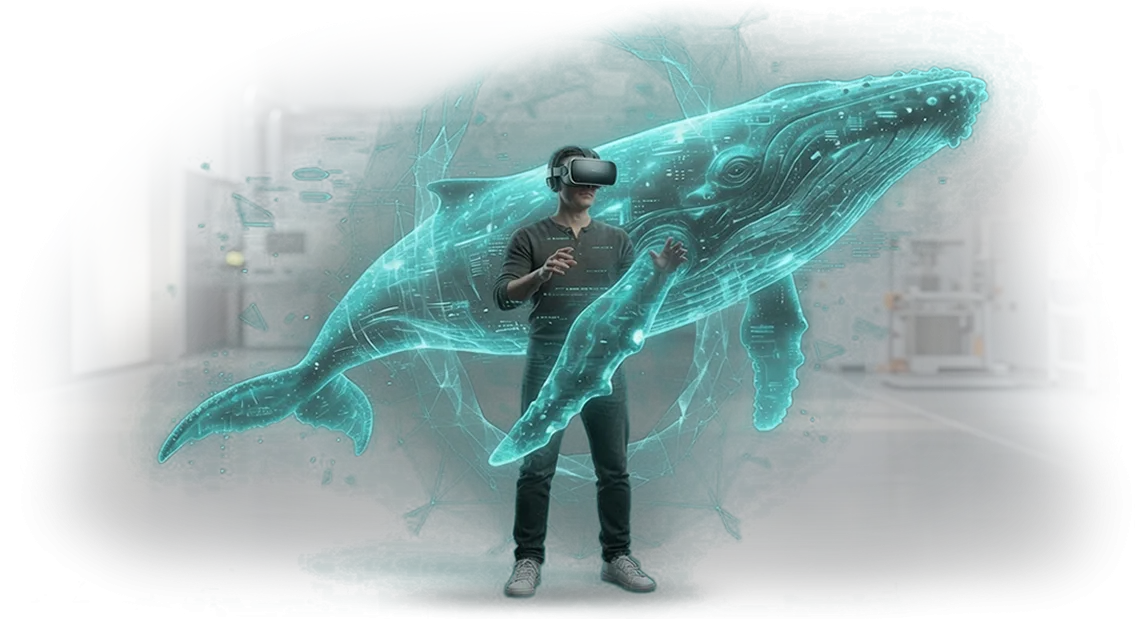
The solution is Web-VR for medicine. An interactive clinic website lets you virtually walk through the corridors, look into the cosmetologist's treatment room, and examine procedure areas and equipment as if you are already there.
VR for a cosmetology clinic doesn't require installing apps — the client opens a link in the browser and in a minute gets a complete picture of the place.
This format builds trust in the clinic before the visit. Convenient booking through the site becomes a natural next step — the person has already "been" to the clinic, so they make a decision faster and leave an inquiry more willingly. We help clinics stop losing patients and turn their website into a sales tool.
Why Web-VR increases trust and bookings
When a person chooses a cosmetology clinic, price and doctors' qualifications are not the only deciding factors. The emotion comes first: will I be comfortable here, is it safe, will they understand me.
Ordinary interior photos and text descriptions don't remove the fear of procedures — the visitor remains uncertain.
Web-VR changes that: the user, right in the browser, without installing apps, "walks" through the clinic — sees the administrator's desk, treatment room, waiting area.
The technology creates a sense of presence, and before the visit a person already feels familiar with the place. Trust, which usually forms after the first appointment, now appears on the website.
This kind of interactivity is familiar to everyone from Google Street View virtual tours — no need to learn new interfaces.
Here's how different formats of getting to know a clinic affect the decision to book:
| Format | What the visitor sees | Impact on the decision |
|---|---|---|
| Photographs | Individual interior shots | The impression is fragmented, doubts remain |
| Video overview | A well-thought-out video | Generates interest, but distance remains |
| Web-VR business card | The full space in motion | The feeling "I'm already here" appears, anxiety goes away |
Practice shows: interactive engagement holds attention several times longer than static photos. The visitor has time to "check out" the reception, the treatment room, and the equipment — and feels calmer during the appointment. This is a direct path to booking: fewer doubts — faster decisions.
For a clinic, this approach is also an emotional marketing tool. Web-VR sets the site apart from competitors, shows care for patient comfort, and becomes a reason to share the link. Every detail of the virtual business card works to turn a site visitor into a booked client.
VR formats for a cosmetology clinic: from tour to matching
A patient chooses a clinic based on trust, but before their first visit they know almost nothing about you. VR formats solve this problem: a person sees in advance the treatment rooms, equipment, and atmosphere, and understands how the procedure goes.
This reduces anxiety, increases loyalty, and shortens the path from "just looking" to booking.
We have compiled the main VR formats for a cosmetology clinic — from overview to interactive. Below is a table where you can easily find a solution for your task.
| Format | For whom | What it gives the client |
|---|---|---|
| 3D tour of the clinic | New patients who haven't been to you | Shows the interior and equipment without a visit — builds trust before booking |
| Virtual tour of the clinic | Those who are hesitating and comparing clinics | Gives the feeling "I've already been here" — removes the fear of an unfamiliar place |
| Interactive clinic map | Patients who have booked an appointment | Helps find the right treatment room easily — reduces stress and late arrivals |
| VR procedure matching | Those who don't know what to choose | Clearly shows possible care scenarios — simplifies choice and increases the average check |
| Virtual consultant | Repeat patients | Answers common questions anytime — relieves the administrator |
Important: you don't need to implement everything at once. If your main goal is to increase awareness and bring in new patients, a 3D tour and a virtual tour are enough. If you want to increase conversion to bookings — add virtual procedure matching. An interactive map becomes useful when the patient flow is already large.
We'll help you choose the format for your specific situation: we'll look at the clinic, the audience, and the goals, then offer a solution that pays off through more bookings and repeat visits. Contact us — we'll show examples and calculate a scenario for your clinic.
How Web-VR development goes: from brief to launch
Developing Web-VR for a cosmetology clinic is not a "black box" but a structured process of five or six steps. We set deadlines and show intermediate results so you can see how a virtual tour or 3D procedure presentation is born.
-
Brief and goals. We discuss what you want to show clients: the treatment room, the procedure, the clinic's atmosphere. We define the target audience and the scenario that will lead a visitor to book.
-
Scenario approval. Together with you, we map out the logic of the virtual space: which points the user moves through, what they see, where the call to action appears. We approve texts and meanings here — no surprise edits at the final stage.
-
Design and 3D prototype. We create the visual style and model key areas of the clinic. You receive mockups for approval — you see what the VR tour will look like before complex development begins.
-
Development and testing. We put together the interactive version and test it on different devices. It's important for us that the tour opens without installing apps and works on smartphones, tablets, and computers.
-
VR project launch. We place the finished product on your website and connect it to the booking form or online inquiry. We test all scenarios — from viewing to submitting contacts.
-
Website support with VR. After the launch, we stay in touch: update procedure descriptions, prices, add new viewing points, or change the design. You are not left alone with the finished project.
What's included in the delivery: scenario, 3D tour, and training
For a cosmetology clinic, it's important not just to receive files, but a ready-made tool that immediately starts working to attract patients. We assemble the VR project as a complete package — from the scenario idea to staff training and technical support. Therefore, the delivery includes everything needed for launch and daily use:
- Scenario tailored to the clinic's goals — the virtual tour's logic is built to guide the patient toward procedures and help the administrator sell.
- 3D tour of the clinic — detailed rooms, atmosphere, and equipment: the patient sees the clinic before the visit and feels calmer.
- Design and visualization — styling in the clinic's corporate identity, a unified image that boosts trust and recognition.
- Assembly and adaptation — we put together the final project, adjust it to the clinic's equipment, and check that everything works stably.
- Clinic staff training — administrators and doctors get practical skills: how to launch the tour, accompany the patient, and answer questions.
- Instructions and regulations — short cheat sheets for employees so launching takes minutes and doesn't depend on one specialist.
- VR technical support — we stay in touch after launch, help with updates, and resolve unexpected situations without long downtime.
This is the result of VR development that you get "turnkey". You save time looking for contractors, don't have to deal with technical details yourself, and quickly put the virtual tour to work.
And we support the project at every stage so the clinic gets real value from it — more bookings and patient loyalty.
Case study: how a VR tour paid off in a month
Before booking procedures, many patients have a barrier: they don't know what the treatment room looks like, who will perform the procedure, and how safe it is.
A cosmetology clinic loses up to 40% of inquiries during the doubt stage — a person goes to a competitor who seems "more transparent". We closed this gap with a VR tour: it removes the main fears before the visit.
An aesthetic medicine clinic, Siyanie, approached us. We developed an interactive tour: in VR goggles, the patient walks through the hall, the treatment rooms, and gets acquainted with the equipment and doctors.
This is not a token image, but a full-fledged route with explanations and a sense of presence that works for trust.
What changed
The tour paid for itself in the first month: bookings for initial procedures grew by a third, and repeat visits by 15%. Patients arrive already familiar with the clinic and are more willing to agree to comprehensive care and long-term programs.
The clinic's director noted:
"The VR tour removed the invisible barrier between the website and the cosmetologist's chair. Patients stopped fearing the unknown and started booking more willingly — we saw an increase in procedure bookings in the first two weeks."
This VR case for the clinic turned out not to be a one-time promotion but a permanent customer acquisition tool: the tour is shown in the clinic, at exhibitions, and sent with promotional materials.
Once created, the route continues to bring in new patients without additional advertising spending — and pays for itself again.
We answer doubts before starting a VR project
Doubts before starting a VR project are normal: a clinic director wants to understand whether the investment will be a one-time thing, who will support the system, and whether it will become outdated in a year. We address these questions before the contract is signed, and then you simply do your job.
The warranty on a VR project is not a formality, but a written commitment. We are responsible for the entire system's performance in the first year after launch: if something fails, we come and fix it without extra charges for urgency. This is the standard, not an option.
Updating the VR tour is also our concern. The service list, prices, or interior of a treatment room change — you send us the changes, and we make edits remotely. This usually takes 2-3 business days, and you don't need to find a new contractor or understand the technology.
The project lives for years: we build it on professional equipment and server architecture that doesn't become obsolete. Plus, you stay on VR technical support for as long as you use the tour.
What if the equipment breaks down?
Under warranty, we replace or repair devices for free, and you don't pay for either the visit or the work. We usually resolve the issue in 1-2 days so the tour doesn't sit idle.
Who updates the information in the VR tour?
Our team. You simply send new descriptions, photos, and prices — we update the content remotely within the basic support package. You don't need to hire an in-house specialist.
How long will the VR project stay relevant?
The tours we build work for years. Usually a clinic updates content once a year — for a new season or after changing services, and we do it quickly and without unnecessary costs. Technically, the solution doesn't require replacing equipment.
Launch your VR project and get an action plan
Modern patients choose a clinic by impression even before the visit. VR for cosmetology makes it possible to show comfort, cleanliness, and professionalism in advance — and this sets you apart from competitors.
A virtual tour creates a sense of personal presence and removes fear of procedures, which increases trust and bookings.
We have prepared a simple and transparent plan for launching your VR project. We work remotely, so you don't need to change the clinic's schedule. The whole process usually takes five steps:
- We discuss the task: you describe the clinic and target audience, we propose a tour scenario.
- We calculate the VR cost — you receive a fixed estimate with no hidden payments.
- We create the interactive tour: 3D capture, design, adding texts and videos.
- We launch the interactive tour: you get a link for the website, a QR code for printing, or a VR stand in the lobby.
- We support the project: we help update information and add new procedures.
You can launch an interactive tour for the clinic as early as one week after the concept is approved. You get a modern tool that works for you around the clock — guests can "walk" through the clinic at any time and immediately want to book a procedure.
After the launch, we share view analytics so you can see which areas interest patients and improve the tour.
Ordering VR for a clinic is simple. Contact us, we'll discuss the task, calculate the VR cost, and prepare a detailed launch plan. Your business will get a new client acquisition channel this month.
How to choose a VR format for a specific task?
Choosing a VR format starts not with technology, but with the question: what exactly do you want to get? For a cosmetology clinic, this could be attracting new patients, visually explaining procedures, or training staff. Each goal has its own format, and we select it for your task.
If you need to introduce a client to the clinic and build trust before the visit, a virtual tour of the treatment rooms and the reception area is suitable.
A visitor from your website or social media will find themselves inside the space, assess the atmosphere and cleanliness, and then be more likely to book a consultation.
This format doesn't require complex equipment — an ordinary smartphone or computer is enough, so it reaches a wide audience.
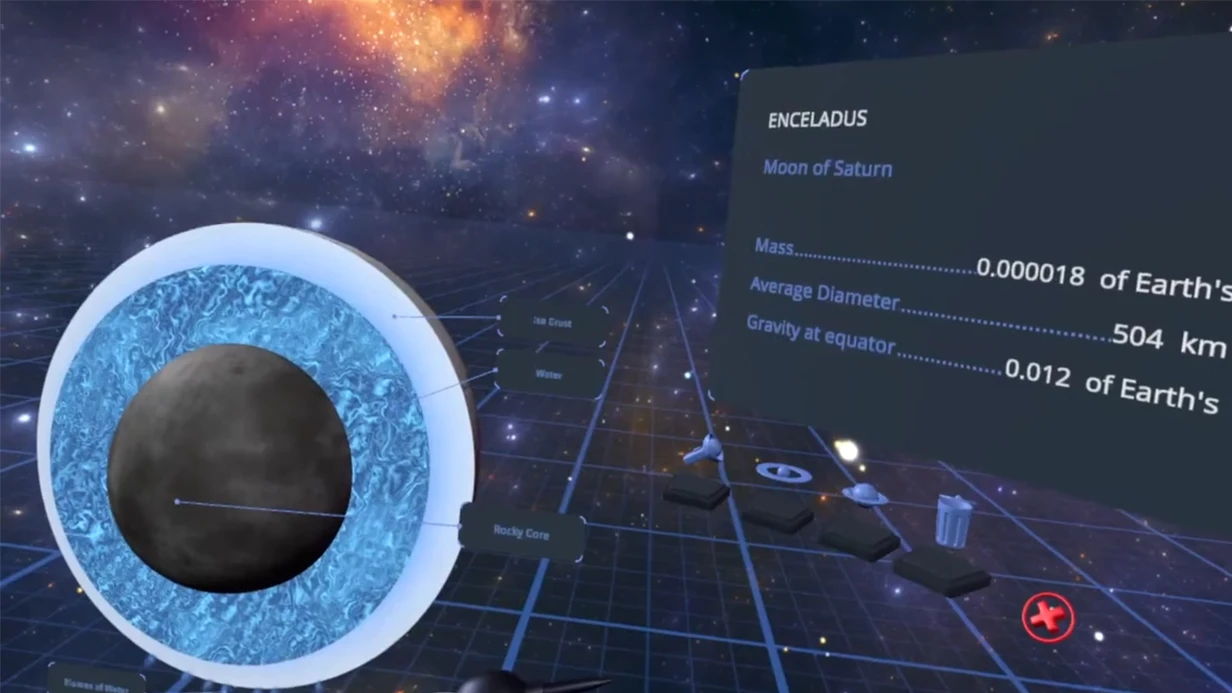
For complex procedures — laser rejuvenation, contouring, or device-based cosmetology — an interactive breakdown is more effective: the patient sees how the method works and what result they get.
This removes fears and objections before the appointment, shortening the doctor's consultation time. A separate case is staff training: with a VR scenario, administrators and cosmetologists practice service standards in a safe environment.
The Web-VR format is convenient because launching it doesn't require installing apps — just open the link in a browser on a computer, tablet, or headset. This allows you to use the solution in consultations, at exhibitions, and in advertising campaigns without technical hassles.
We help you navigate and choose the format for your task. You describe the goal — we take on the entire process from idea to launch.