

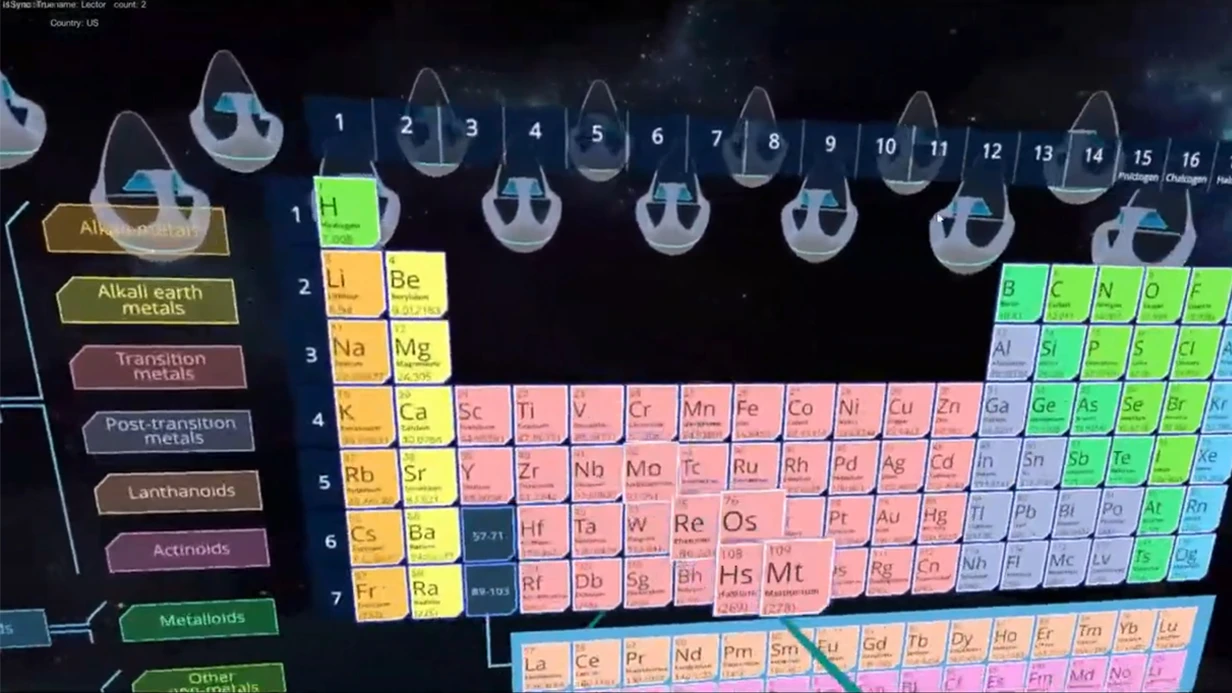


Virtual Product Launch: How to Win Customer Attention
A typical product launch means slides, a press release, and hoping the audience remembers at least something. Clients scroll through their feeds in seconds, attention scatters, and the new product gets lost among competitors. Without striking presentation, even a strong product goes unnoticed.
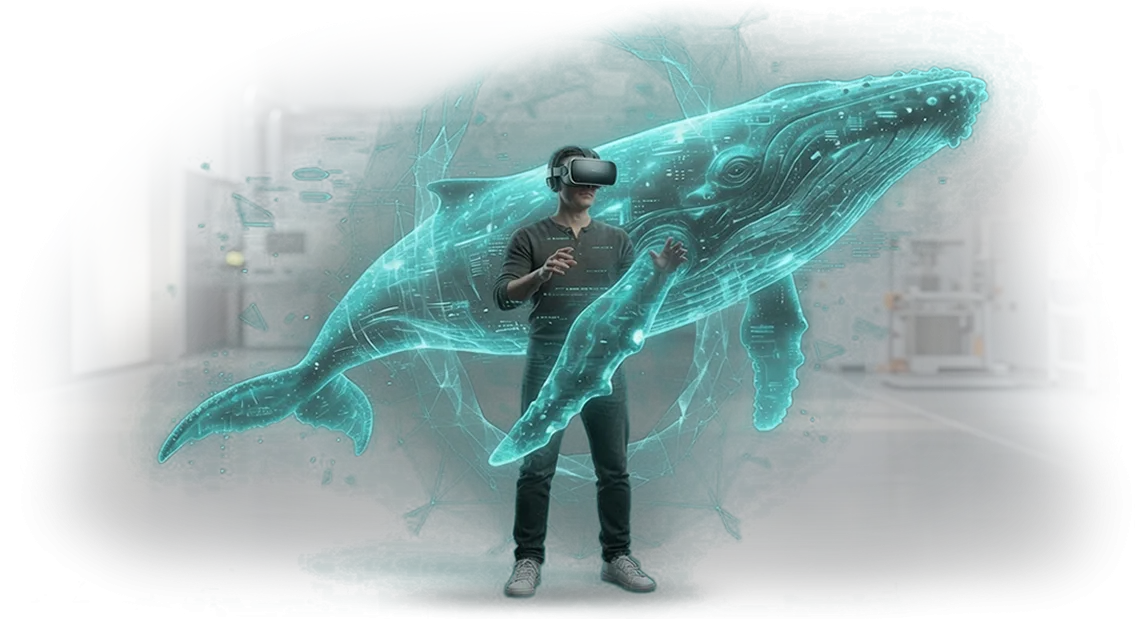
A virtual product launch turns a presentation into an experience the viewer lives through. An immersive presentation lets the customer examine the product in detail, look inside it, see it in action and in their own context.
This way the audience doesn't just read about the new product — they interact with it, remember it, and are ready to discuss it.
An online product launch removes geographical constraints: you capture the attention of audiences from any city or country without venue rental or logistics.
A digital launch can be held for dealers, partners, and customers at the same time, and the recording will keep attracting new viewers after the broadcast. That's reach that keeps working for the brand long after.
We've spent 10 years creating virtual launches that clients remember as a vivid event, not just another webinar. We'll help you run a launch that captures customer attention from the first second and drives more inquiries.
Benefits of a Virtual Launch: 5 Business Advantages
The main advantages of a virtual launch are visible already at the planning stage: instead of a limited hall, you get a platform without borders. Conventional presentations struggle to hold attention — while immersive marketing turns a launch into an event people talk about.
Guests become part of the product: they explore details and try features before the product appears in real life.
The first business advantage — broad reach. A virtual launch is accessible in any city with internet: no need to gather everyone in one place. Invite partners from different regions, and the event recording will keep attracting viewers for weeks.
The second advantage — increased brand awareness. An unusual format itself becomes a news hook: media write about it, guests share it on social media. Every participant becomes a brand ambassador, and mentions grow without an advertising budget.
The third advantage — lead generation. We collect participant data during registration and hand over contacts with notes on who was interested in specific features. Sales target already warmed-up clients rather than cold leads.
The fourth — speed and cost efficiency. We build the platform in 2–3 weeks without pavilion rentals or logistics. Put the savings into marketing or invite more guests.
And the fifth — measurability. Unlike an offline event, a virtual launch provides precise numbers: how many guests entered, how long they stayed, and which zones were popular. This data will form the basis of future communication and shorten the customer journey.
Virtual Presentation Formats: Comparison Table
Choosing a virtual presentation format isn't a matter of technology — it's a matter of the task at hand.
Showing a product on a large stream to thousands of viewers is one thing, letting distributors "touch" it in 3D is another, and engaging an audience through a smartphone camera is a third.
Each format solves its own business task, and the outcome — reach, depth of engagement, or speed of decision-making — depends entirely on it.
Below is a comparison of four main formats so you can gauge which one fits your launch scenario. We deliberately left out technical details: in practice, what matters more is which format reaches the goal — sale, registration, inquiry, or viral reach.
| Format | Who it's for | What it gives the customer |
|---|---|---|
| Virtual showroom | B2B products, real estate, automobiles, complex equipment | The buyer explores the product in detail without a trip to the warehouse or showroom. Shortens the deal cycle and removes the "haven't seen it in person" objection |
| VR presentation | Presentations for top clients, investors, distributors | Full immersion: the viewer is placed inside the scene and remembers the brand 3–4 times better. Suited for a limited, high-ticket audience |
| AR filter | Mass consumer launches, social media promotion | Viral reach: users try on or "bring to life" the product on camera and share the result. Every participant becomes a walking advertisement |
| 360° live broadcast | Large-scale presentations, press events, venue openings | A sense of presence for an unlimited number of viewers. Combines the offline atmosphere with online reach without travel or investment in staging |
It's important to understand: formats can be combined. For example, start with a VR presentation for key partners, then launch an AR filter for a broad audience, and leave the 360° broadcast recording on the website for a long tail of views. Such a combination covers both depth and reach.
We help you choose a format based on your task and budget, and after the launch we analyze how many people saw, explored, and ordered the product. If you're unsure which option will work, we'll show examples from our projects and design a presentation tailored to your audience.
How the Work Process Goes: Project Stages from Brief to Result
Every virtual product launch starts not with technology but with a question: what do you want to show the audience and what reaction do you want to get?
We structure the work so you understand what's happening at each stage, stay in control of deadlines, and get a result that solves the business task.
Below is the typical project path. It has been refined over years of work on presentations, exhibitions, and launches, so it's polished down to the smallest detail.
- Brief and immersion into the task. You tell us about the product, the audience, and the launch goal. We ask clarifying questions, study the materials, and develop an understanding of which scenario will deliver the most value.
- Concept and scenario. We propose an idea for the virtual space: how the user discovers the product, what emotions they experience, and where the key engagement points are. You receive a scenario description and visual references.
- Concept approval. We discuss the details, make revisions, and lock in the approved version. At this stage, you know exactly what you'll get and avoid surprises at the final stage.
- Content production. We create 3D models, animations, interfaces, and sound design. We work with professional equipment and proven tools — this guarantees a stable image on any device your audience uses.
- Technical implementation and assembly. We assemble all elements into a single interactive experience, set up controls, interaction logic, and adaptation for different viewing formats.
- Testing and debugging. We test the scenario on different devices, fix bugs, and optimize loading. You get a product that works flawlessly on launch day.
- Final launch and support. We publish the project and hand over access credentials and instructions. If needed, we support you during the event and quickly make adjustments based on feedback.
In the end, you get not just an "app" but a ready-made tool for a product launch: with a clear scenario, a fine-tuned technical side, and support at every stage.
What's Included in the Delivery: A Complete Material Package
When you order a virtual product launch, it's important to understand: you're not just getting a link to an app, but a ready-made tool that works toward your goal. That's why the scope of work includes a complete set of materials — from scenario to analytics. Everything you need for the launch comes in a single package.
Here's what's included in the development:
- Virtual launch scenario. We write out the presentation logic: how the user discovers the product, what actions they take, and which details they dwell on. You get a ready-made scenario that explains the product's value to the customer without a manager's involvement.
- Design and 3D models. We create a visual representation of the product in a format that can be shown from any device. This boosts brand recognition and makes the product tangible even before physical production.
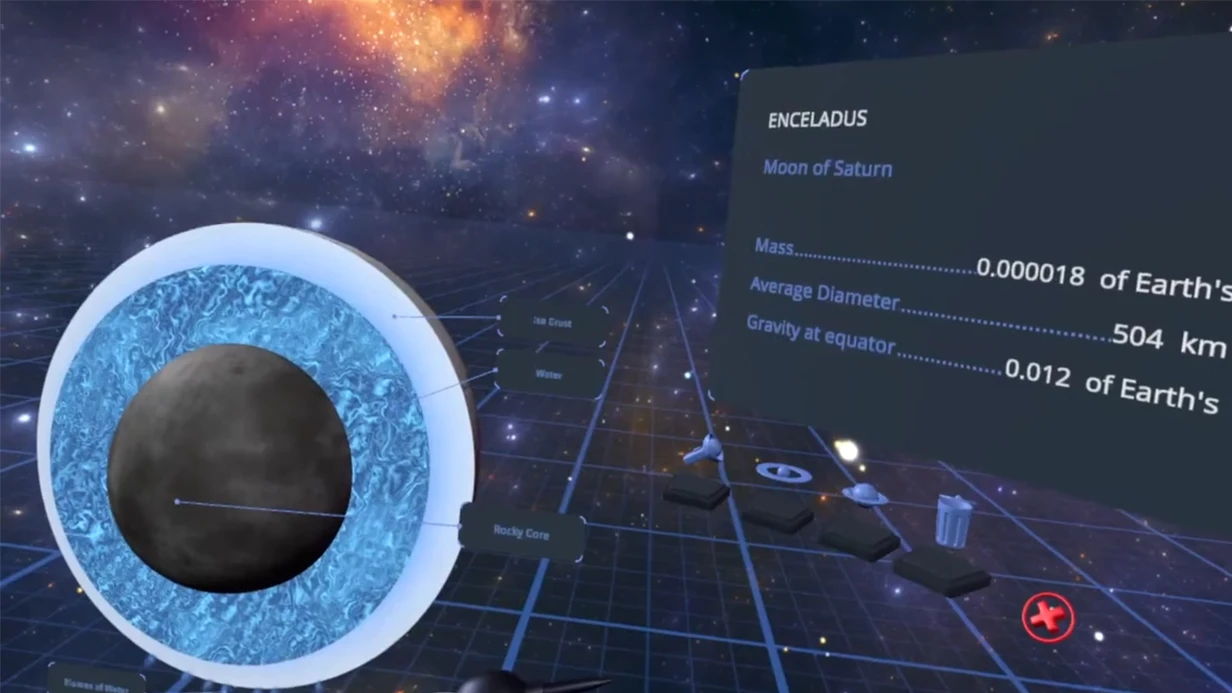
- Interactive scenes. We build a space where the visitor drives the experience themselves: examines the product, changes configurations, starts a demonstration. The deeper the engagement, the stronger the recall.
- Analytics setup. We set up data collection on user actions: how many people made it to the end, where they stopped, and what sparked interest. You get numbers you can use to improve both the product and the scenario itself.
- User instructions. We provide a simple guide: how to open the virtual launch, how to embed it in your website or email campaign, and how to update materials next time. You don't need a technical specialist — everything is configured and documented.
Such a delivery package covers several tasks at once: you get a fast launch, full control over the materials, and the ability to reuse them for new campaigns. The 3D models and scenario remain at your disposal — they can be adapted for another product or promotional channel.
We hand over the complete work so that a week after the launch you're not thinking about the technical side but seeing results: an engaged audience and clear numbers.
Case Study: How We Increased Reach with an Interactive Presentation
We've worked in retail for years and know that a product launch built on typical slides loses the audience's attention within the first minutes.
When a major retailer — let's call it RetailBox — approached us with the task of showing a new product line before it hit the stores, we proposed replacing the static presentation with an interactive 3D showcase. Just a link in the browser — no app installation needed.
How It Went
RetailBox was preparing a product series for launch, but there was nowhere to show them — samples were still in transit.
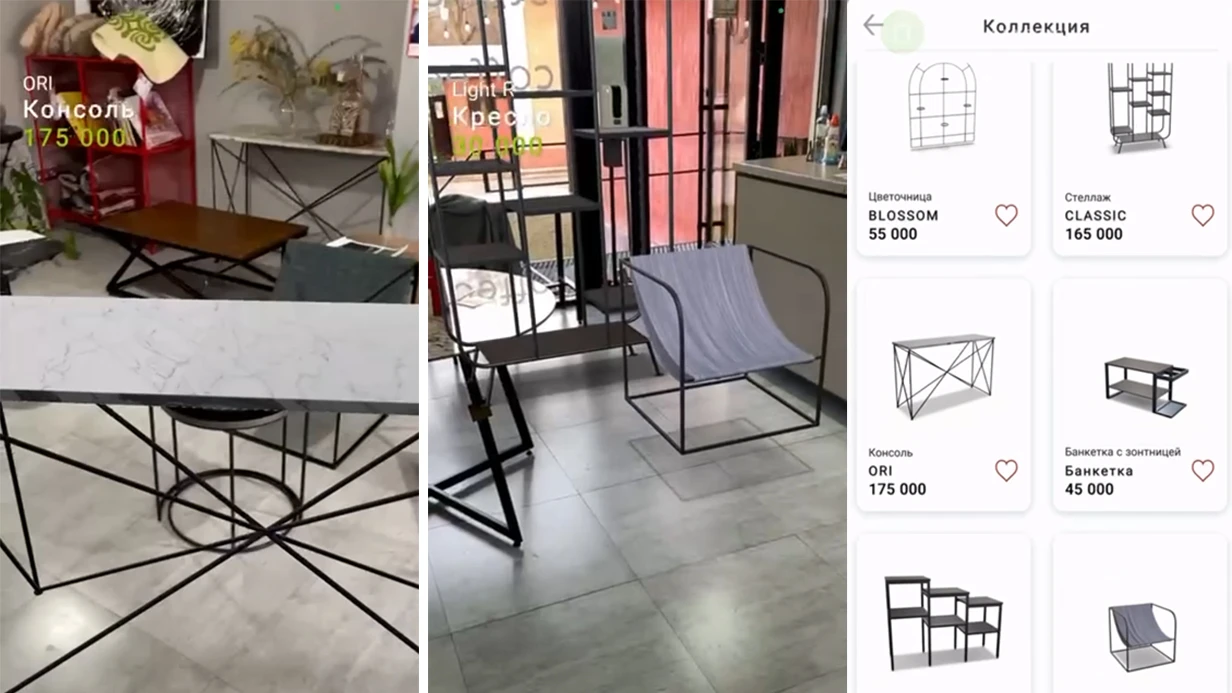
We created a virtual showcase: participants could view the product from every angle, change its color, zoom in on details, and even "place" it in an interior.
This format was used in invite-only meetings and partner email campaigns — each recipient opened the link and explored the product at their own pace rather than on a shared webinar.
The Numbers the Client Got
The results exceeded expectations: engagement doubled compared with the previous video presentation. Average interaction time grew from 40 seconds to 4 minutes, and more than 60% of those who opened the link requested a demo sample. RetailBox ordered another virtual showcase just a month later — for the next collection.
The client particularly liked the analytics: we provided data on which details were examined most often, how much time was spent in the showcase, and which cities had the most active views.
Based on this virtual product launch, we adjusted the advertising campaign and strengthened sales in the right regions. For us, it's confirmation that quality interactivity isn't a decoration but a working tool that pays off and delivers measurable results.
How to Choose the Right Format for Your Task?
Choosing a format depends on three things: what task the launch solves, who your audience is, and what budget you're ready to allocate. There is no universal "best" option — there's only the one that fits your specific situation.
If the goal is to generate buzz and get guests involved in the process, you need an interactive virtual showcase with the ability to inspect the product, open details, and "touch" it in 3D. This format appeals to emotion and sticks in memory.
If the task instead is to quickly and clearly communicate key features to a broad audience, a virtual tour or 3D presentation focused on a demonstration scenario is enough.
The second criterion — the audience. For technically savvy participants, you can build richer scenarios with controls and additional layers of information.
For the general public, it's important that the launch works without app installations or special equipment — WebVR opens via a link in the browser. This removes barriers and increases reach.
The budget determines the scale: from a sleek 3D tour to a full-fledged virtual event with multiple zones and "live" interaction features.
At the same time, the format scales easily — you can start with a minimal set and add features later without rebuilding the project from scratch.
The main thing is not to pick a format based on the budget but to define the goal: what should the participant do after the launch — buy, submit an inquiry, remember the brand, share their impression. That's what we base our choice on.
We'll help you determine the right scenario and fit within your budget — guided by the expected result, not just a "pretty picture."
Frequently Asked Questions About the Project and Cooperation
Before a project kicks off, clients always have questions — about deadlines, revisions, and guarantees. We've gathered answers to the ones we hear most often. If you don't see your question here, just write to us — we'll discuss the details within one business day.
What if you need a non-standard launch format?
We don't stick to templates: we develop a project around your task — from a virtual presentation to an interactive show with guest participation. At the brief stage, we lock in the scenario and align it with you.
What are the development timelines?
A basic project takes 2–3 weeks; a more complex one — up to 2 months. We provide the exact schedule after the brief and lock it in the contract so you can plan the launch without surprises.
How many revisions are included in the cost?
The basic package includes two rounds of revisions for the scenario and interface. If you need more — we'll discuss it separately, but clients usually have enough because we align key decisions throughout the process.
What about technical support after the launch?
After the launch, we stay in touch: we help with equipment setup, quickly fix any issues, and refine functionality when needed. Support is available for one month after delivery.
What guarantees do you provide?
We work under a contract with a fixed cost estimate. You pay in stages and see the result at every step — this protects you from risks and guarantees that the project will be delivered on time.
Didn't find your question? Call or write to us — we'll consult on your scenario and propose a solution that fits your specific needs.Let's Discuss Your Project? Get a Cost Estimate and Plan
Leave a request — and within one business day you'll receive a cost estimate and a virtual launch plan tailored to your task. We'll clarify the details ourselves, ask the right questions, and come back with a concrete solution rather than general talk.
The consultation comes with no obligations. Even if you're not sure about the format yet, we'll help you figure out what suits you best and show examples of similar projects.
What you get after submitting a request:
- A short brief: we capture the goals, audience, event format, and success criteria.
- Project examples for your task: we'll show real launch case studies so you can see the quality and results.
- Cost estimate: a transparent breakdown with no hidden work or fine print.
- Work plan with stages and timelines: you know when it will be ready and what's needed from your side.
- Format recommendations: a web version for mass reach, a VR zone for an offline venue, or a hybrid.
- Commercial proposal: we lock the scope, timeline, and cost in a document — ready to show your management right away.
Send your request — and tomorrow we'll discuss how to make your launch a memorable event that pays off with reach and customer interest.